
Ice, lakes and cold in Finland: how thick is safe, what to do if you fall in, frostbite, boats and getting lost
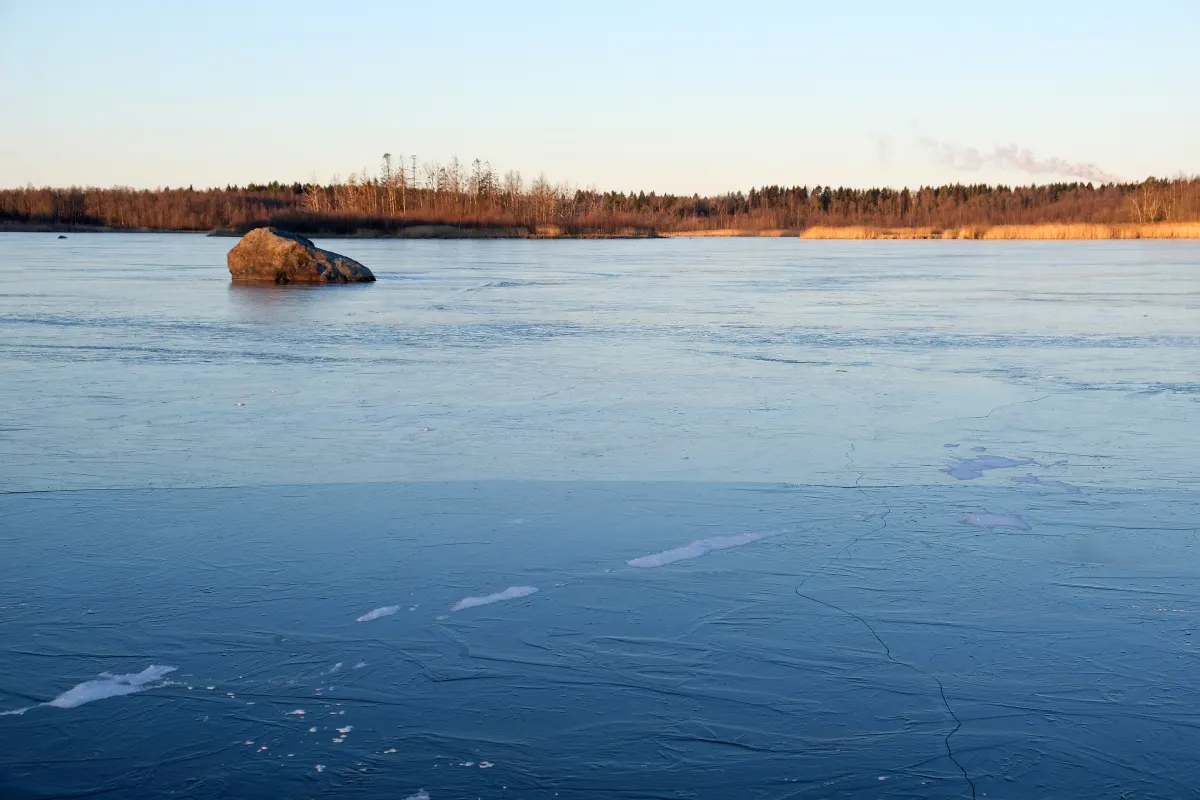
Finland has 188,000 lakes, frozen for half the year in the north, and each winter some people go through the ice. Nearly all of it can be avoided with a few plain rules.
Ice: how thick
- Good, clear, dark ice (teräsjää) must be at least 10 cm to walk on. Some guides say 5, and that leaves no margin. A snowmobile needs 15.
- White, grainy ice holds about half as much. Spring ice can be thick in the morning and porridge by the afternoon.
- Footprints and tracks prove nothing. On the sea it moves with the wind and water level: in March 2026 Helsinki warned of that after the best ice in over ten years.
Where it's weak
- Near the mouths of rivers, in narrows, under bridges, by jetties, reeds and rocks, over springs, and by any pipe or power station.
- Under snow, which keeps it thin and hides the cracks.
- In shipping lanes and near icebreakers, with broken ice that has just refrozen.
Going on it
- Ask local people. Go with somebody, some metres apart, and tell a third person.
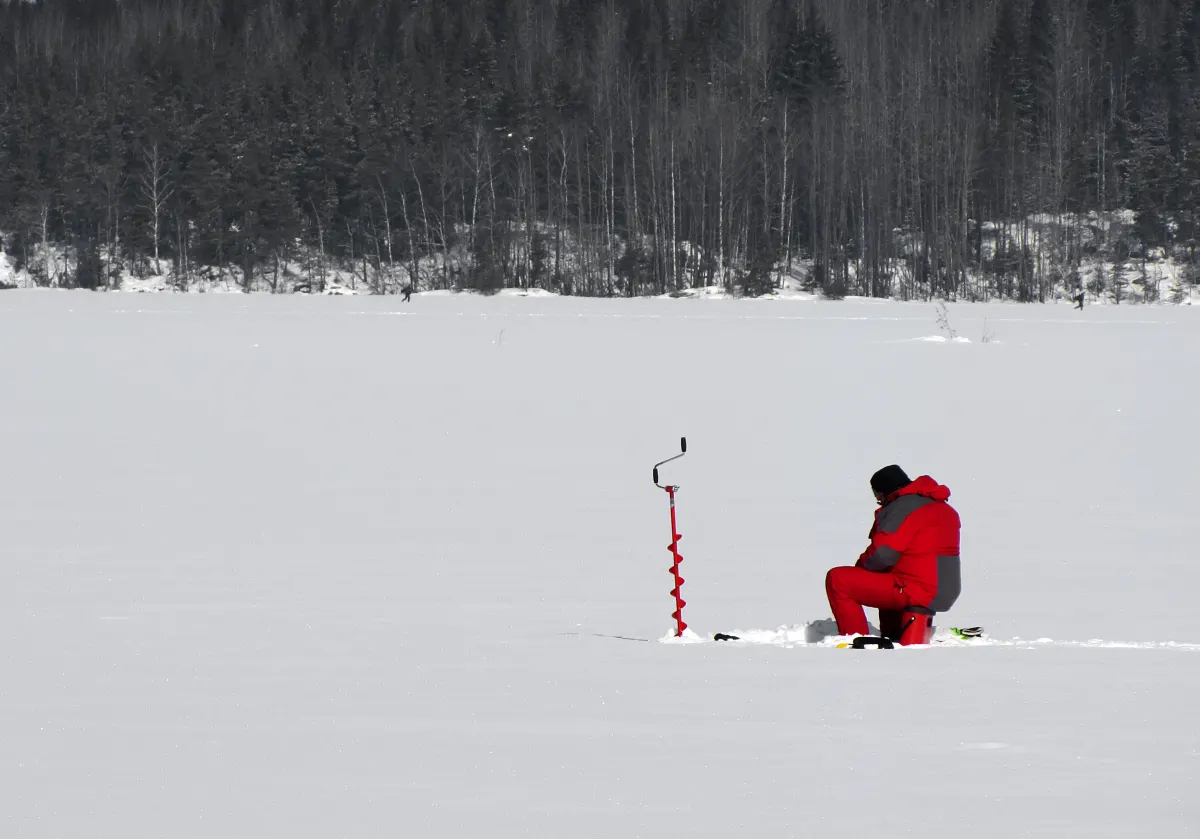
- Hang ice picks (jäänaskalit) round your neck: a few euros in any sports shop. Have a throw line, a stick, and the phone in a dry bag.
- Cars only on a marked, official ice road.
If you go through
- Don't panic. Turn back the way you came. Break the edge until it holds. Kick your legs flat, stab the picks in, and slide out on your belly.
- Roll away. Don't stand up. Get indoors and dry.
- For somebody else: call 112, lie down, and reach with a stick, scarf or rope. Don't go to the edge.
Lakes and sea in summer
- Water is cold below the top metre, and in the sea until July. Go in slowly, and don't swim alone or after drinking: that, at Midsummer, is how most people drown.
- Lakes are dark: you can't see a rock before you dive. Don't.
- In a canoe or boat, wear the life jacket, and watch the wind on the big lakes. Waves on Saimaa get up fast.
- Blue-green algae in hot weather look like spilt paint. Keep out, dogs and children most of all.
Cold
- Lapland is often -10 to -20°C in winter, and sometimes -30 or -40. Helsinki is milder, wet and windy, and can feel worse.
- Wool next to the skin, not cotton. A fleece or thick wool layer, a windproof one on top. Two pairs of gloves, mittens over them, a hat over the ears, a scarf for the face, loose boots with wool socks.
- Frostbite starts as a white, numb patch on nose, cheeks, ears or fingers. Warm it with a bare hand. Don't rub, and don't use snow.
- At -25 and below, don't touch metal, take off jewellery, use fat cream on your face rather than a watery one, and put glasses before lenses.
- Slipping is the commonest injury: pull-on studs cost €15 to €30.
- Tours lend overalls and boots. Ask for a size up.
Snowmobiles, skis, dogs
- You need a driving licence for a snowmobile, a helmet, and no alcohol. You pay for damage up to the excess, often €1,000.
- In the fells there are avalanches, mainly at Kilpisjärvi and Pallas. Read the weather service's bulletin.
- Keep to the poles that mark ski routes, and turn back if you can't see the next one.
Forest
- It all looks the same. Take a map, compass and a charged phone, and say where you're going. In autumn wear orange, for the hunting season.
- Bears, wolves and lynx avoid you. Talk as you walk. If you meet one, back off slowly, and don't run. Vipers sun themselves on paths: wear boots, and go to a doctor if you're bitten.
- Elk with a calf, and reindeer in the autumn rut, need room.
Ticks have a page of their own: Ticks. Emergencies: 112.


Comments