
Ticks in Finland: Lyme disease, tick-borne encephalitis, the vaccine, where they live and what to do with a bite
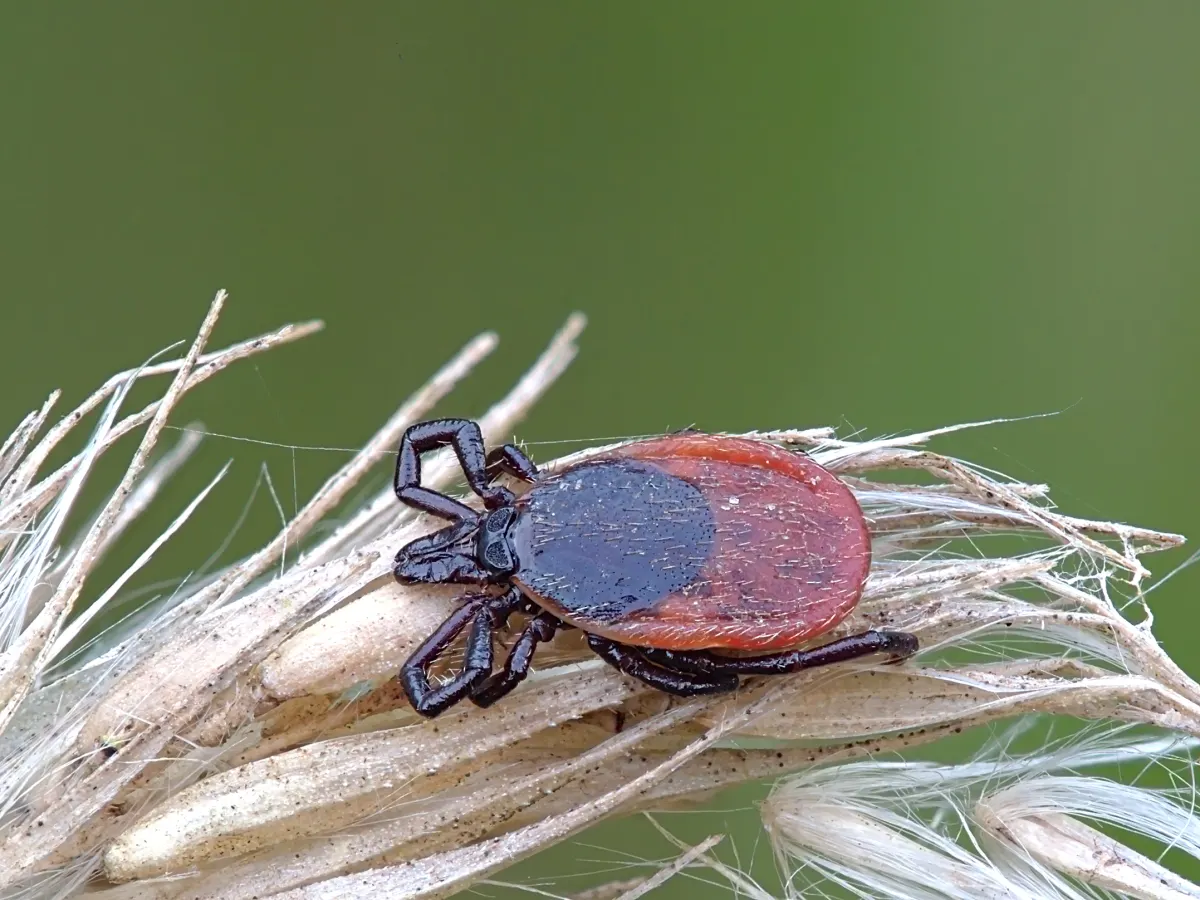
Ticks live in the grass and bushes of southern and central Finland, and carry two illnesses. One has a vaccine, the other antibiotics. 2026 was the worst year yet, so it's worth five minutes.
When and where
- From April to November, whenever it's above about 5°C. Most in May and June, and in August and September.
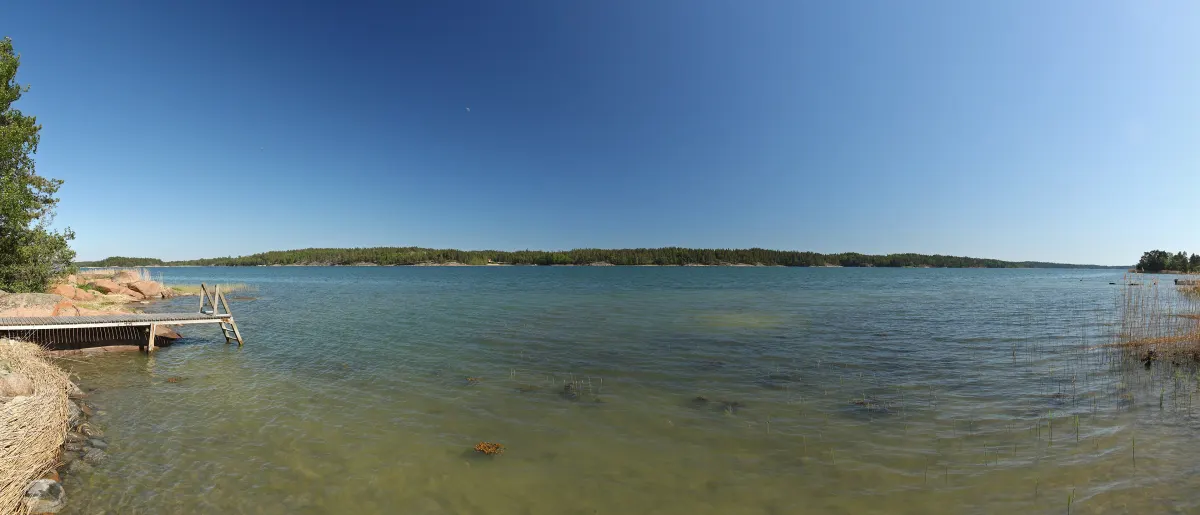
- In tall grass, reeds, shores, bushes and the edge of the forest, knee high. Not on bare rock or short grass.
- Worst in the south-west archipelago, Åland, the coast from Turku to Kotka, the Helsinki region, the lakes of the east (Lappeenranta, Kuopio, North Karelia), and the coast of the Gulf of Bothnia up to Kemi and Simo. They've been spreading north. In Lapland proper there are very few.
Tick-borne encephalitis (TBE)
- A virus, and an infection of the brain that can leave lasting harm. By 1 October 2026 there had been more than 390 cases, a record: the whole of 2025 had fewer than 240, and ten years ago there were 61. Nearly all were in people with no vaccine, or not all of it.
- It passes within minutes of the bite, so a check in the evening may be too late. There's no cure.
- First comes fever for a few days, then often a pause, then headache, fever, a stiff neck or confusion. Go to a doctor, and say tick.
The vaccine
- Three doses. Two, two weeks to three months apart, protect well for a first season, so start a couple of months before you travel. Ask at a travel clinic. It isn't sold everywhere: in Canada, for one, it wasn't available in 2026.
- Get it if you'll walk, camp, cycle, sail or pick berries in those areas in the warm months, for more than a day or two. For a city weekend or winter in Lapland you don't need it.
- In Finland it's free only for people who live, or have a summer house, in the worst areas. Others need a prescription, and pay.
Lyme disease (borreliosis)
- Caused by a bacterium, which takes a day or so to pass. So a check every evening works.
- Look for a red ring that spreads, more than 5 cm wide, days or weeks after the bite, or fever, aching joints, or a drooping face. Antibiotics cure it. A small red itchy mark in the first days is only the bite.
- There's no vaccine for it, and the TBE one doesn't help.
Keeping them off
- Long, light-coloured trousers tucked into socks, and boots. Repellent with DEET or icaridin on shoes and legs.
- Keep to the middle of the path, and sit on a rock or mat.
- Check skin in the evening: behind knees, groin, waist, armpits, neck, hair. In the sauna is a good time.
- Shake out clothes. Dogs need their own protection.
Taking one out
- With fine tweezers or a tick card (from any pharmacy), hold it close to the skin and pull straight out, slowly. No oil, no match, no twisting hard.
- Wash the place. If a bit of mouth stays in, it comes out by itself.
- Write down the date and take a photo. You needn't see a doctor for a bite without symptoms.
See also Health and Everyman's right.






Comments