
Health and insurance in Switzerland: hospital bills, European health cards, pharmacies, ticks and altitude
Swiss health care is superb and costs more than almost anywhere. Nobody in danger is turned away, but the bill follows. Insurance is the most important thing you pack.
Who pays
- With a European Health Insurance Card (EU, Iceland, Norway) or a British GHIC or EHIC, you get medically necessary treatment on the same terms as people insured in Switzerland. That still leaves something to pay: a share of the cost, a daily sum in hospital, and half of an ambulance or more.
- It doesn't cover private clinics, getting you home, or all of a mountain rescue.
- From anywhere else, the health ministry says you must have enough insurance of your own. A hospital can ask for a deposit of thousands of francs.
- If you need a Schengen visa, cover of at least €30,000 is compulsory. You may want far more.
Choosing insurance
- Look for: medical costs without a low limit, helicopter rescue (about CHF 4,500 for a Rega flight, and more if complicated), the trip home, and injuring someone else.
- Check it covers what you'll do: skiing, off the piste, via ferrata, climbing, paragliding, e-biking, and the height you'll reach. Some stop at 3,000 m, and Jungfraujoch is at 3,454.
- Declare any illness you have. Keep the insurer's number in your phone, and ring before treatment if you can.
Getting help
- 144 ambulance, 1414 Rega, 112 anything, 145 poisoning. Emergency wards are called Notfall, urgences or pronto soccorso.
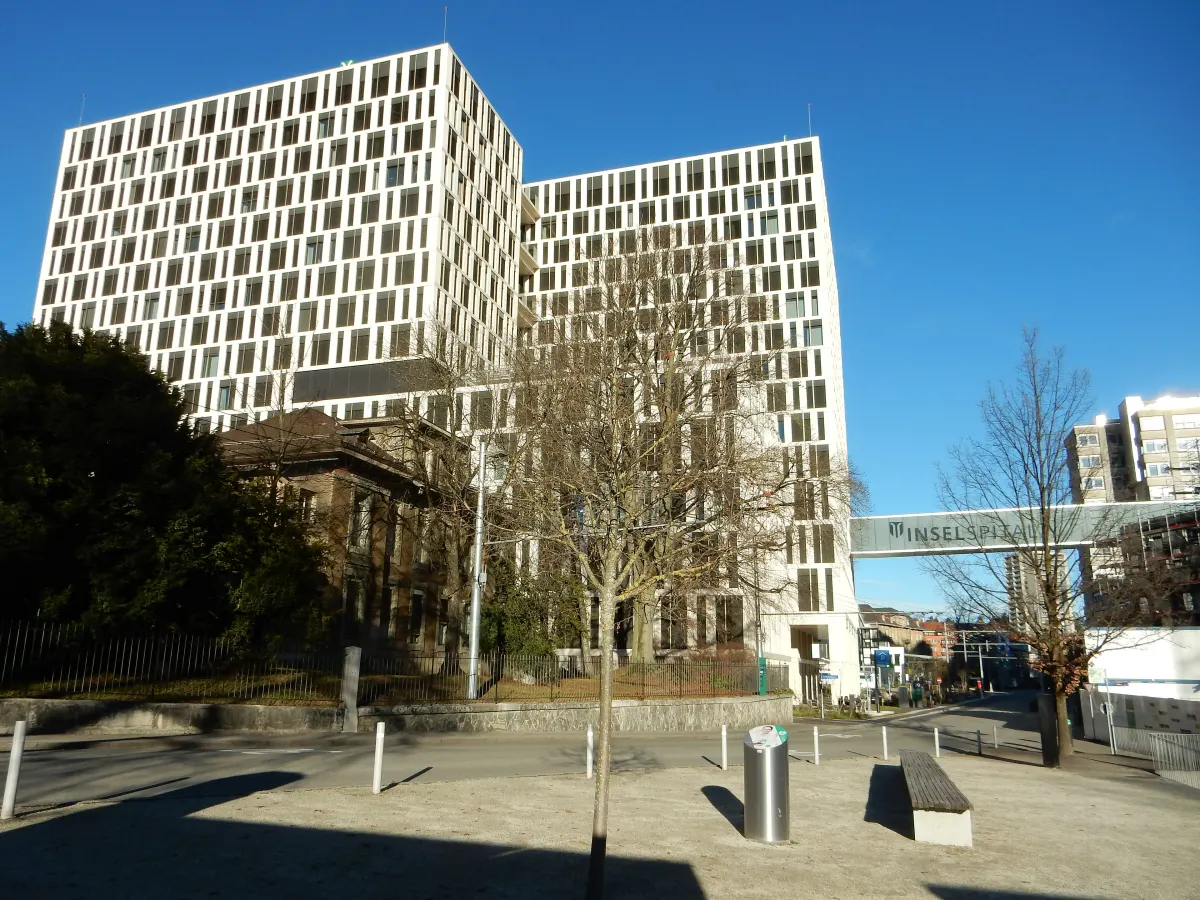
- For something minor, ask at a pharmacy first: they advise, and in many cantons can treat small things. Cities have walk-in clinics (Permanence), one of them in Zürich HB. A short visit costs about CHF 150 to 300.
- Your hotel can call a doctor. English is widely spoken.
- Dentists are private and dear: expect several hundred francs for a filling.
Pharmacies
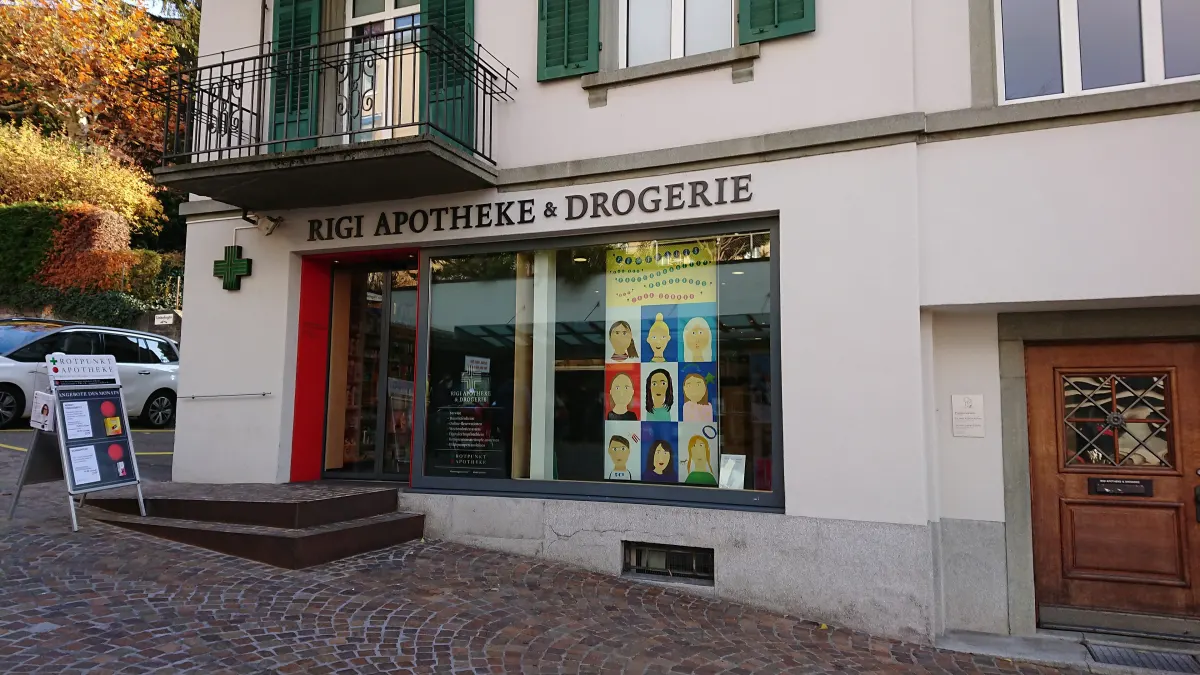
- Look for a green cross. Open in shop hours, shut on Sundays, with one on duty in each area (the number is on the door), for an extra charge.
- Even ibuprofen and paracetamol are sold only in pharmacies and Drogerien, not in supermarkets, and cost several times more than in Britain or America. Bring your own.
Your medicines
Bring enough for your stay, up to about a month's supply, in the original boxes with a copy of the prescription. For narcotics and strong sedatives (and ADHD drugs) carry a doctor's certificate: travellers from Schengen countries have an official form. Check before bringing medical cannabis.
Ticks
- From about March to November, up to 1,500 m or higher, in woods and long grass. They carry Lyme disease and TBE (tick-borne encephalitis, FSME in German), which attacks the brain. All of Switzerland except Ticino is a risk area.
- There's a vaccine for TBE, over several weeks, worth having if you'll hike or camp much. There's none yet for Lyme in general use.
- Wear long trousers, use repellent, and look yourself over in the evening. Pull a tick straight out with fine tweezers, and note the date. A spreading red ring or a fever in the next weeks: see a doctor.
Altitude
Most people feel something at 3,400 m and above: breathless, light-headed. Move slowly, drink water, skip alcohol, and go down if you have a bad headache or feel sick. Sleeping at Zermatt (1,600 m) first helps. People with heart or lung disease, pregnant women and parents of babies should ask a doctor.
Sun and heat
At 3,000 m over snow you burn in 20 minutes, with clouds too. Bring strong cream and real sunglasses. See Weather warnings for heatwaves.
Water and swimming
- Tap water is excellent everywhere, and so are fountains without a warning sign.
- After warm spells some lakes have swimmer's itch or blue-green algae: keep dogs and toddlers out, and obey signs.
Vaccines
Nothing is required. Be up to date with the routine ones, including measles. There's no rabies in Swiss foxes, though bats can carry it.
See also Mountain safety.
Comments