
Food and drink in Switzerland: fondue, raclette, rösti and regional dishes, when and where to eat, wine, water and vegetarians
Swiss food changes at the language line: rösti, sausages and veal in the German part, fondue and lake fish in the French part, risotto and polenta in Ticino. Portions are big, quality is high, and so is the bill.
Cheese
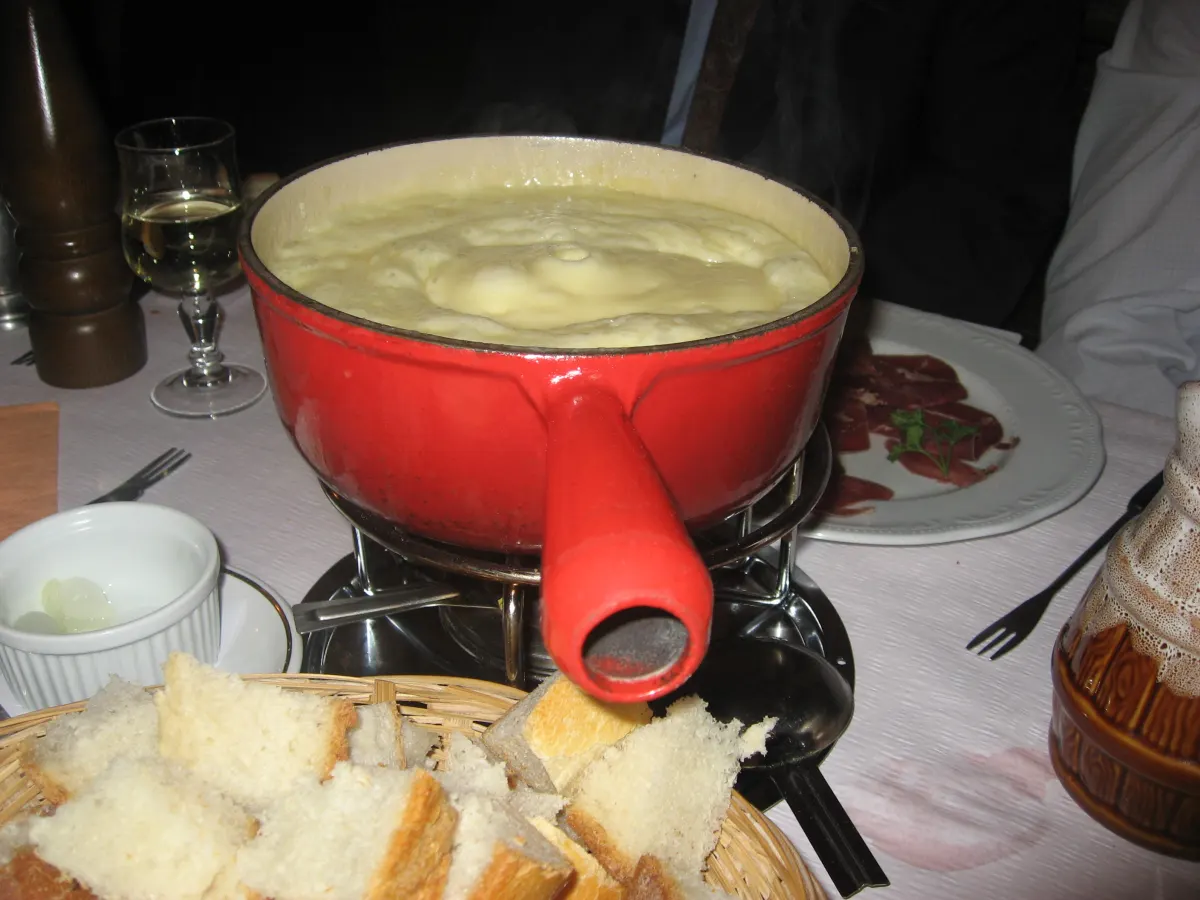
- Fondue: bread dipped in melted cheese and white wine. Moitié-moitié (half Gruyère, half Vacherin) is the classic. Stir to the bottom, drink white wine or tea with it, and scrape out the crust, the religieuse. The Swiss eat it in winter. In some restaurants there's a minimum of two people.
- Raclette: melted cheese scraped over potatoes with gherkins and onions, from the Valais. Order portion by portion until you're full.
- Älplermagronen: macaroni, potatoes, cream, cheese and fried onions, with apple sauce. Malakoff: fried cheese balls from Lake Geneva.
- To take away: Gruyère, Emmentaler, Appenzeller, Sbrinz, Tête de Moine, Vacherin Mont-d'Or (autumn and winter). Visit a dairy at Gruyères, Affoltern or Stein.
Meat, fish and potatoes
- Rösti: a crisp potato cake, plain or with egg, bacon or cheese. Zürcher Geschnetzeltes: veal in cream sauce with it.
- Cervelat and St. Galler Bratwurst: the second without mustard, if you want to please the locals.
- Berner Platte: smoked meats with sauerkraut. Papet vaudois: leeks, potatoes and sausage.
- Capuns, Maluns and barley soup in Graubünden, and Bündnerfleisch, air-dried beef.
- Perch fillets (filets de perche) on Lake Geneva: ask if they're from the lake, as most are imported.
- Polenta with stew, risotto, and luganighe sausages in Ticino, best in a grotto, a rustic inn with stone tables under chestnut trees.
- Game (Wild, chasse) from September to November.
Sweet
Swiss chocolate (the supermarkets' own bars are good and cheap), Engadin nut tart, Zug kirsch cake, Basler Läckerli, carrot cake from Aargau, meringues with double cream in Gruyères, and Birchermüesli, invented in Zurich.
When
- Lunch 11.30 to 1.30, and the kitchen often closes after that. Dinner from 6 to about 9, earlier in villages.
- Places shut on one or two days a week (Ruhetag, jour de fermeture), often Sunday or Monday. In mountain villages most close in November and from late April to early June.
- Shops close on Sundays except at stations and airports. Buy your picnic on Saturday.
Eating for less
- The daily menu at lunch (Tagesteller, plat du jour, piatto del giorno): CHF 20 to 28 with soup or salad.
- Coop and Migros restaurants, department store cafés (Manor), university canteens, and the counter at any butcher's.
- Kebab, pizza by the slice and sandwiches: CHF 9 to 15.
Drink
- Tap water is as good as bottled. In a restaurant it may come free, be charged (CHF 2 to 4), or be refused. Ask for Hahnenwasser, une carafe d'eau or acqua del rubinetto.
- Wine: hardly any is exported. Try Chasselas from Lavaux (Fendant in the Valais), Petite Arvine, Pinot Noir from Graubünden, and Merlot from Ticino. It comes by the decilitre (dl): a glass is 1 dl.
- Beer is usually 3 dl (Stange). Beer and wine from age 16, spirits from 18 (everything 18 in Ticino).
- Rivella: a fizzy drink made from milk whey. Red is the original.
Vegetarians and allergies
Easy in cities: Zurich's Hiltl has been vegetarian since 1898. In villages there's always cheese, rösti or pasta. Vegans should look ahead. Staff can tell you about allergens, and menus must say which country the meat and fish come from. Traditional stocks and rösti often contain bacon: ask.
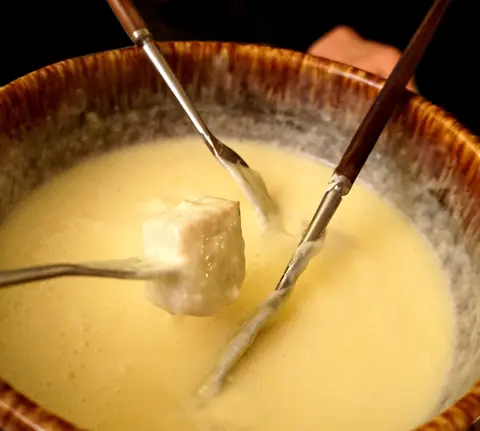
Cheese fondue
Melted Gruyère and Vacherin with white wine and garlic in a pot, eaten by dipping bread on long forks.
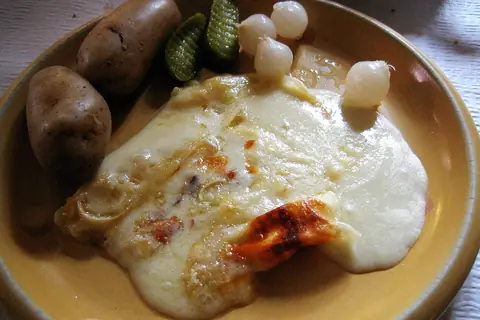
Raclette
A wheel of cheese melted by a fire or grill and scraped onto potatoes, with pickles and onions, from Valais.
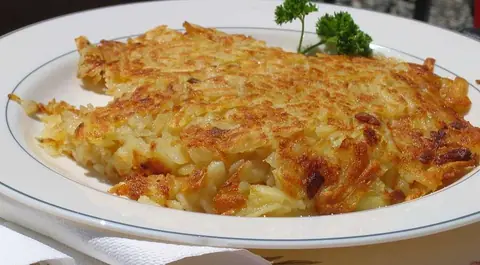
Rösti
A crisp grated potato cake, originally a Bernese farmer's breakfast, now served with eggs, cheese or meat.
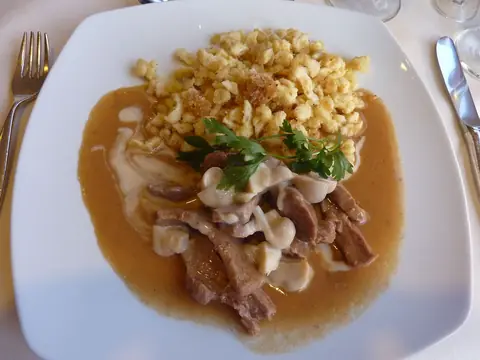
Zürcher Geschnetzeltes
Strips of veal in a cream, white wine and mushroom sauce, served with rösti, a Zurich speciality.
Comments