
Money in Sweden: kronor, paying by card, the new cash law, Swish, prices and tax-free shopping
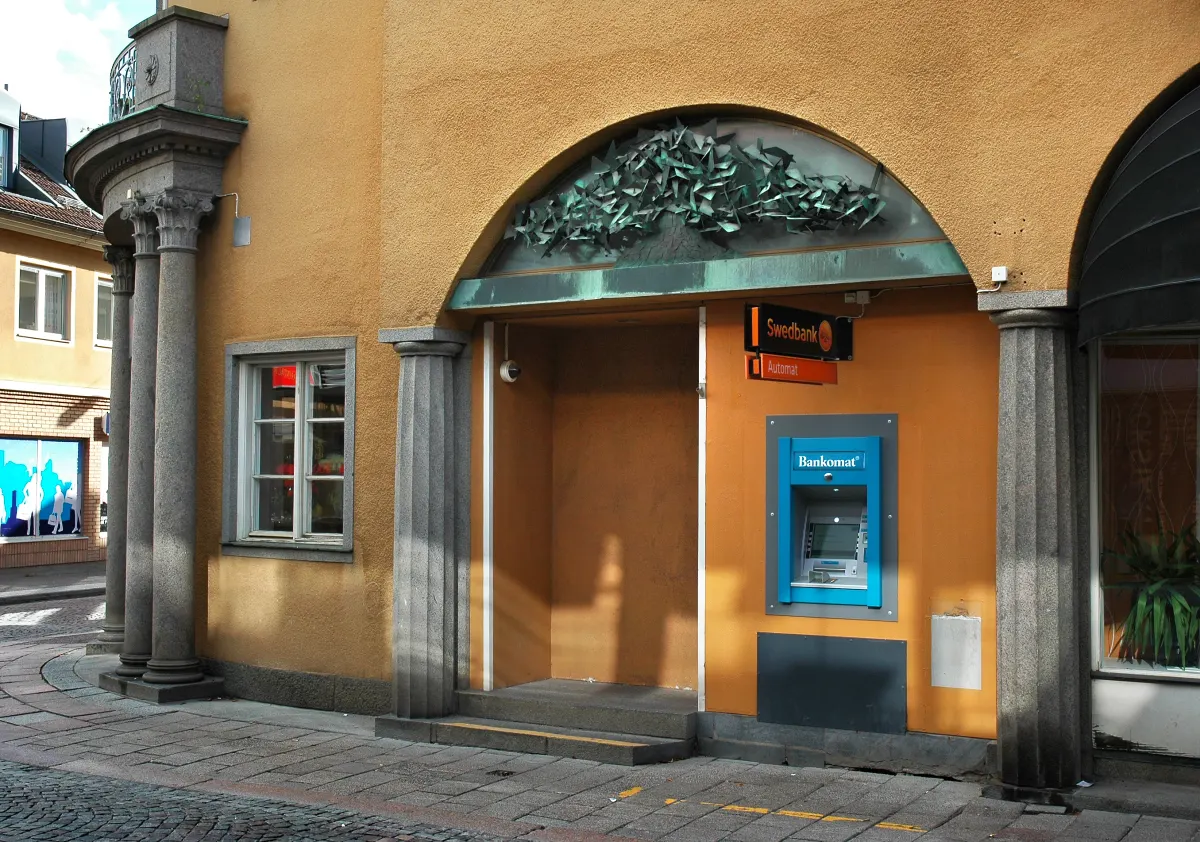
Sweden is one of the most cashless countries in the world. Many people haven't touched a banknote in years, and plenty of cafés, museums, buses and even market stalls won't take one. A card or a phone is all you need, and it's wise to have two.
The krona
- The currency is the Swedish krona (krona, plural kronor, SEK or kr). It isn't the Norwegian or the Danish one, and Sweden doesn't use the euro.
- Notes are 20, 50, 100, 200, 500 and 1,000, and coins 1, 2, 5 and 10. Prices are rounded to a whole krona in cash.
- Old banknotes are worthless in shops. The central bank can still redeem some for a fee of 300 kronor, until 30 June 2027.
Cards
- Visa and Mastercard, and Apple Pay and Google Pay, work nearly everywhere, for a cup of coffee or a public toilet. American Express works in larger places.
- You need your PIN. A signature isn't enough.
- If the machine asks whether to charge you in your own currency, choose kronor.
- Petrol pumps and hotels may hold a large amount on the card for a few days. Car hire needs a real credit card.
Cash, and the new law
- Since 1 July 2026 a law says that food shops and pharmacies with a staffed till must, in general, take cash. Nobody else has to. There are exceptions, there's no penalty, and some shops still say no.
- A sign with kontantfritt, or vi tar ej kontanter, means no cash.
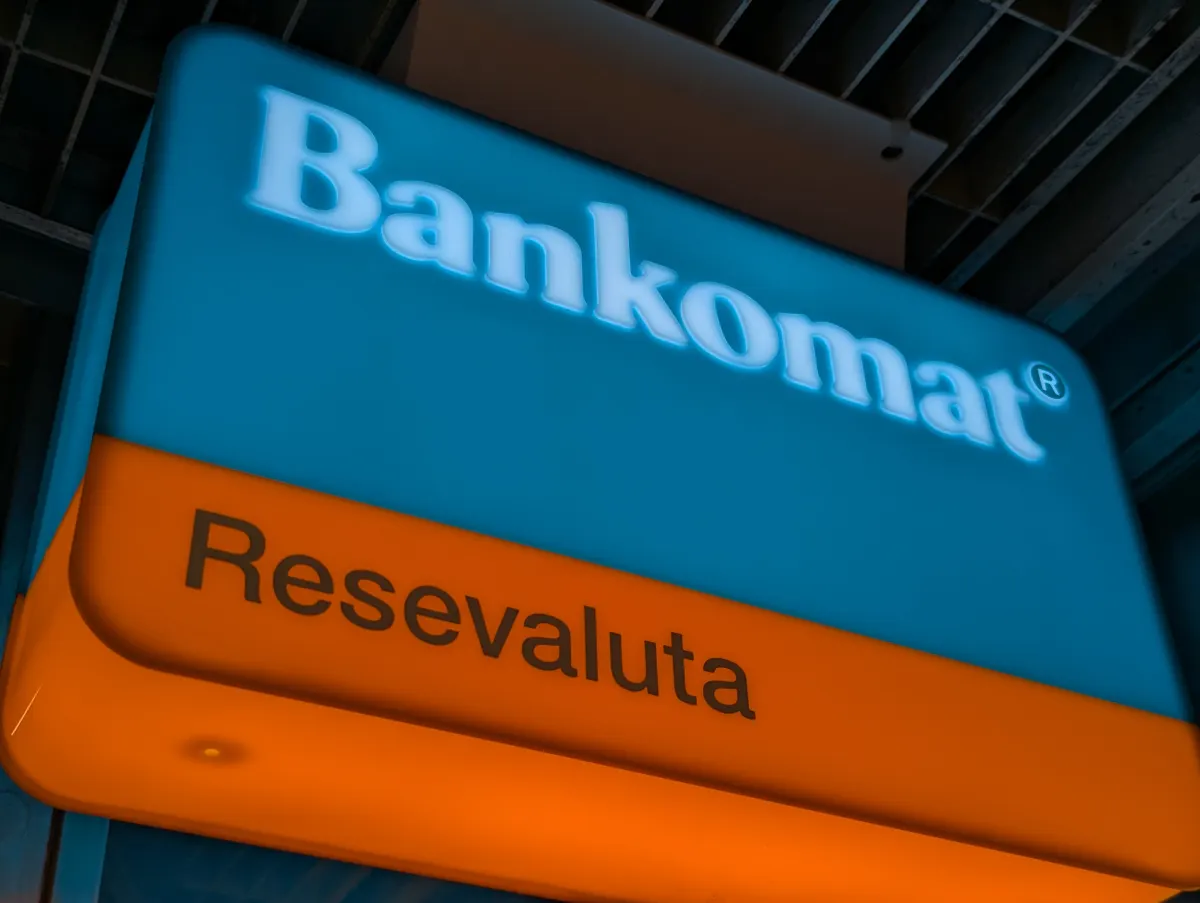
- Cash machines (Bankomat) are in towns and big shopping centres. Banks mostly don't change foreign money. Forex offices do.
- A few hundred kronor in your pocket is worth having for a power cut, a village fair or an honesty box. More isn't.
Swish
Swedes pay each other, and flea markets, farm stalls and small clubs, by Swish, an app joined to a Swedish bank account. Visitors can't get it. If it's the only way, ask whether you can pay by card, or offer a friendly Swede cash to do it for you.
What things cost
- Sweden is dear, but less so than Norway or Switzerland, and it depends on the krona. A coffee and bun is often 80 to 110 kronor, a set weekday lunch 120 to 160, a main course in the evening 200 to 350, a beer in a bar 70 to 100, and a hostel bed 300 to 450.
- Save with the lunch of the day (dagens lunch), supermarket food, hostels with a kitchen (bring or hire sheets), the right of public access, and tap water, which is free everywhere.
- The tax on food from shops and takeaways was halved to 6% on 1 April 2026, until 31 December 2027. Eating in is taxed at 12%. Prices always include tax.
- Sweden has no tourist tax. Towns aren't allowed to charge one, though some politicians would like it.
- You pay a deposit (pant) of a krona or more on cans and bottles. Put them into the machine at any supermarket to get it back.
- Many state museums are free or cheap. The big private ones aren't: the Vasa was 195 kronor in winter and 240 from May to September in 2026, and free for under 19s.
Tax-free shopping
If you live outside the EU, you can claim back part of the sales tax on goods you take home. Ask in the shop for a tax-free form, with your passport, and show the things unused when you leave the EU. Residents of Norway have a system of their own.
See also Tipping.

Vasa Museum, Stockholm
The Vasa, a magnificent warship that sank on its maiden voyage in Stockholm harbour in 1628, and was raised 333 years later almost intact.

Comments