
Afghanistan: landmines, roads, money, sanctions, health and natural disasters, for those who have to go
Every government we checked says not to go to Afghanistan: read Travel warnings for Afghanistan first. These are the practical facts for people who have to be there, as of November 2026.
Landmines and unexploded weapons
- Decades of war have left mines, shells and bombs all over the country. Australia says that they're on and near roads and borders, and that floods and landslides uncover old ones.
- Stay on paved main roads. Never walk or drive off them, even for a photo, to turn round or to go to the toilet. Germany says that hiking can be deadly, and not to do it.
- Never touch or go near anything metal on the ground. Move away the way you came, and warn others.
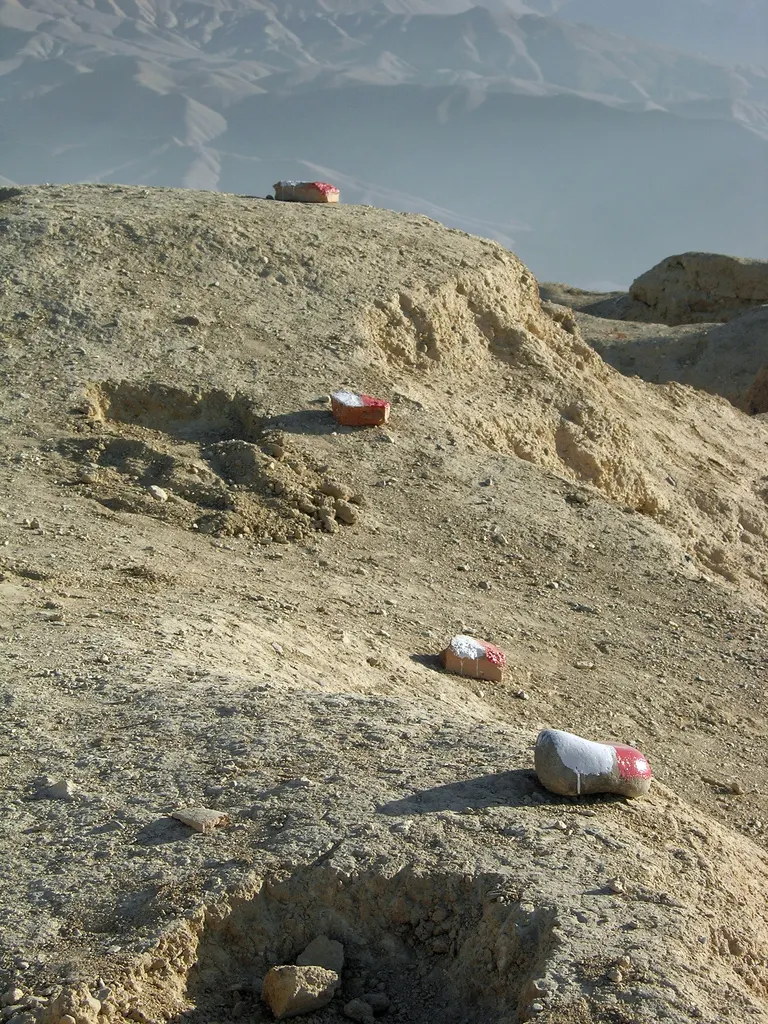
- Red-painted stones or signs usually mean mines, and white ones ground that has been cleared. Many areas have no signs at all.
Roads
- Governments advise against any travel by road. France says that bombs laid in or beside the road are still common, and that travelling by road is absolutely ruled out, even in an armoured car.
- Expect checkpoints everywhere, some of them fake. The roads are bad and the driving reckless, and fatal crashes are common.
- If you have no choice, go by day, in a convoy with professional security. Don't hike, and don't go overland as a tourist: Canada warns against adventure trips even with a reputable company.
Money
- The currency is the afghani (AFN). It's a cash economy, and cards are hardly accepted. US dollars are widely taken, if the notes are in good shape.
- A few ATMs and banks in the cities take foreign cards, with limits. Don't count on it. The banks can run short of cash, and shutdowns of the internet stop them working.
- Don't draw attention to money. People have been kidnapped while taking cash out, says the UK.
- Some money transfer companies work, but pay out in afghanis. The limits on bringing in cash are in Entering and leaving Afghanistan.
Sanctions
Leading Taliban and other groups in the country are under United Nations and national sanctions. Paying, giving goods to or working with someone on a list can be a crime at home, so check your government's sanctions page before you pay for anything beyond ordinary living costs.
Health
- Hospitals are very limited, with few medicines and poor hygiene, and outside the cities there may be none. Care for women is worse still.
- Evacuation is rarely possible. Take all the medicines you need, with the prescriptions, and a first-aid kit. Find out whether your medicines are allowed.
- Ask a travel clinic, at least eight weeks before, about polio, hepatitis A and B, typhoid, rabies and measles. There's malaria in some areas, and tuberculosis. Cholera occurs.
- Drink only bottled or boiled water. Keep away from dogs.
- Kabul lies at about 1,800 m, and the mountains and passes are much higher: altitude sickness is possible.
Earthquakes, floods and snow
- Strong earthquakes are frequent, above all in the north-east. France says that no building in Kabul meets modern earthquake standards.
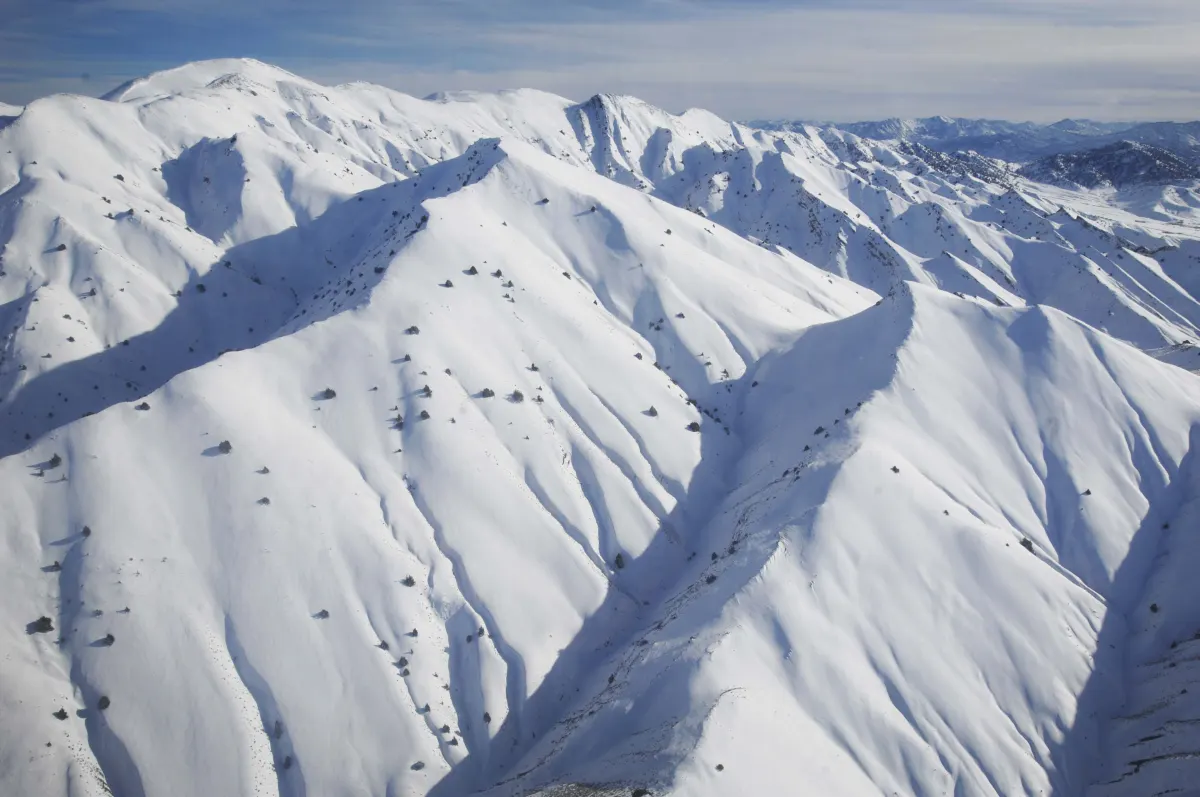
- Rain from March to May brings floods and landslides, and winter snow brings avalanches, closing roads and passes. Rescue services are poor or absent.
- Dust storms are common in the south.
Emergency numbers
- Police: 119 (Canada also gives 100)
- Ambulance: 102 in Kabul. Each province has its own number, and you may do better to get to a hospital yourself.
- Fire: 112
Don't count on any of them.
Comments
No comments yet.