
Travel warnings for Afghanistan: detention, kidnapping, terrorism and why every government we checked says don't go
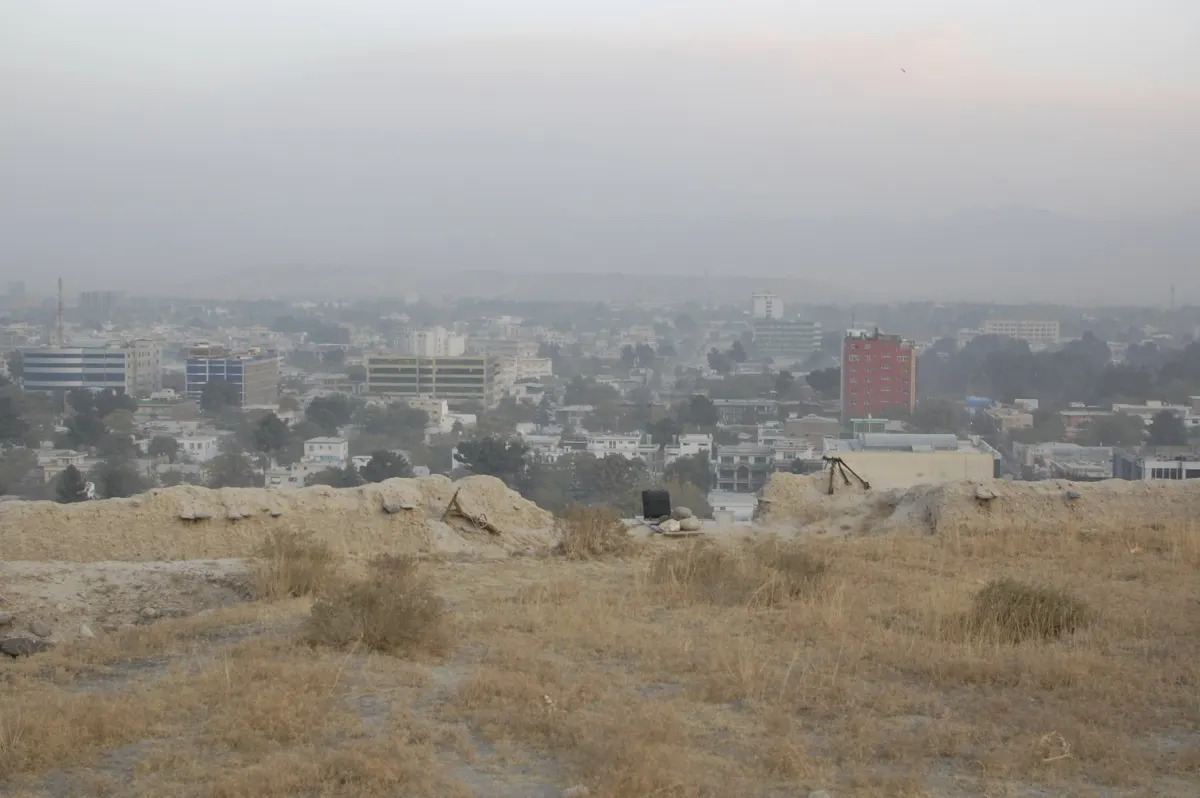
Every government we checked says not to go to Afghanistan at all, and several tell their citizens who are there to leave. That includes guided tours. This article sums up the advice as of 24 November 2026. Read your own government's page, and don't go on the strength of a video or blog that says it was fine.
What governments advise
- UK (gov.uk, updated 30 July 2026, still current on 23 November): advises against all travel, "even if you are part of an organised tour group".
- USA: Level 4, Do not travel, dated 20 February 2026, because of unrest, crime, terrorism, kidnapping, wrongful detention, poor health care and natural disasters. In March 2026 the USA named Afghanistan a state sponsor of wrongful detention (State Department). News reports said this could lead to a ban on using US passports there. We found no such ban in force, but check.
- Canada (travel.gc.ca, updated 14 October 2026): Avoid all travel.
- Australia (Smartraveller, updated 29 June 2026, still current on 24 November): Do not travel for any reason, including tourism, culture or family. "Understand that you could die and make a will before you go."
- New Zealand (SafeTravel, updated 27 July 2026): Do not travel.
- Germany (Auswärtiges Amt, changed 13 October 2026): a formal travel warning, and a call to all Germans to leave.
- France (France Diplomatie, page of 15 September 2026): the whole country is formally advised against, whatever the reason and in all cases, and French people there are asked to leave.
Detention by the Taliban
- The Taliban have ruled since August 2021. The UK speaks of a heightened risk of British nationals being detained, for months or years, without clear charges. Australia says that tourists, aid workers and journalists have been held.
- You may be suspected of spying for what you carry, photograph or say, or for whom you meet. The UK names weapons, tracking devices, large amounts of money and unusual items, and says the risk is higher still for anyone who has served in the military. Spying can carry the death penalty.
- Your government may not be told, and may not be able to find out where you are.
- Having been there before without trouble doesn't protect you, the UK says.
Dual nationals and people of Afghan origin
- Afghanistan doesn't recognise dual nationality. Germany warns that the authorities treat anyone of Afghan descent as Afghan only, even if they or their parents became citizens elsewhere or they were born abroad.
- Germany reports more and more cases of dual nationals being stopped from leaving at the airport, or having their papers taken. A husband can stop his wife and children from leaving, and foreign custody rulings may not be accepted.
- The UK says that people visiting relatives are among the targets for kidnapping.
Kidnapping and terrorism
- The threat of kidnapping is very high, for ransom or for politics, for tourists too. Hostages have been killed, and criminals may sell their captives to terrorist groups, says Canada.
- Attacks are very likely, says the UK. Islamic State Khorasan Province and Al-Qaida are active, and target hotels, restaurants, markets, mosques, hospitals, schools, airports and sites of the Shia minority, as well as foreigners.
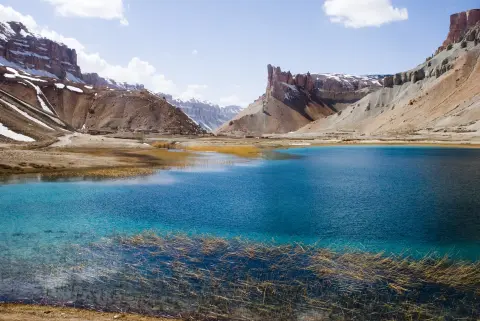
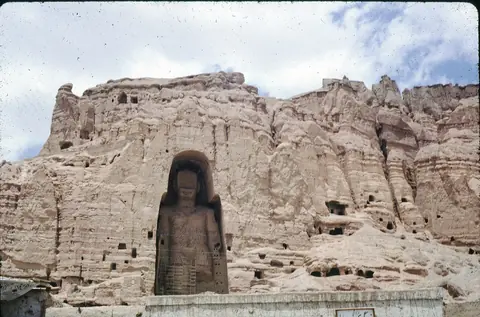
- In May 2024 gunmen killed three Spanish tourists on a guided tour in Bamiyan, one of the places most often said to be safe.
- Violent crime is common. Fake checkpoints are used to rob and kidnap, says Canada.
The conflict with Pakistan
- From 27 February to 18 March 2026 there was fighting on the border and Pakistan bombed targets in Kabul and Kandahar, where civilians were killed and hurt, says Germany. Since then the fighting has mostly been near the border, but Germany says that new air strikes can't be ruled out, and Australia expects the fighting to go on.
- The war between the USA, Israel and Iran, which began in late February 2026, has also cut flights and routes out through Iran.
No embassies
- The British, US, Canadian, Australian, German and French embassies in Kabul are closed. None of these governments can give help in person.
- From outside: British Foreign Office (24 hours) +44 20 7008 5000; Australian Consular Emergency Centre +61 2 6261 3305; New Zealand +64 99 20 20 20. In an emergency, France lists the EU delegation in Kabul: [email protected].
If you're there now
Germany and France tell their citizens to leave, France by commercial flights from Kabul, and Australia to leave immediately. Keep your passport safe, keep a low profile, and don't keep to a routine. Don't go by land without up-to-date local advice: see Entering and leaving Afghanistan.
Comments
No comments yet.