
Money and sanctions in Syria: what has been lifted, what still applies, cash and cards
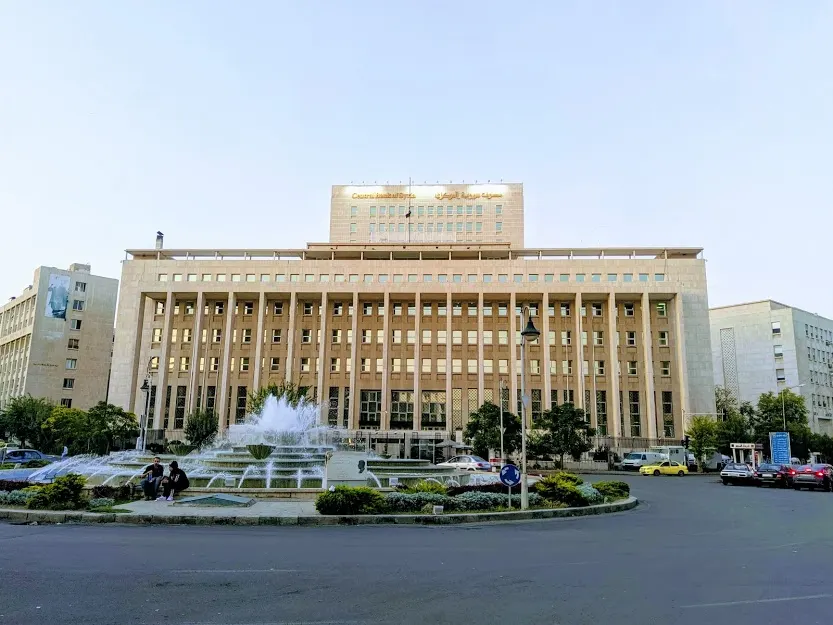
Most of the sanctions on Syria have been lifted since 2025, so spending money there isn't the legal problem it used to be. But some still apply, banks are still careful, and Syria is still mainly a cash country. This is the situation as of November 2026. It isn't legal advice. Governments advise against all travel: see Travel warnings for Syria.
Sanctions that have been lifted
- USA: the comprehensive sanctions programme ended on 1 July 2025, and the Caesar Act was repealed in December 2025. On 24 August 2026 Syria came off the list of state sponsors of terrorism, and Hay'at Tahrir al-Sham was taken off the US Treasury's sanctions list. The US Treasury says Americans aren't broadly prohibited from dealing with Syria any more.
- EU: all economic sanctions were lifted in May 2025, apart from those for security reasons.
- UK: sanctions on some sectors have been removed, the government says.
- Canada: most were repealed in February 2026.
- Australia: those on finance and energy were eased in November 2025.
Sanctions that still apply
- People and companies on sanctions lists: all five still have lists, mainly of Bashar al-Assad, his associates and people responsible for abuses. The US list also covers Captagon traffickers, ISIS and al-Qaeda groups, and Iran and its proxies. The EU has renewed its list until 1 June 2027. You mustn't pay or deal with anyone on a list that applies to you, or with a company they own.
- Terrorist groups: giving them money or support is a serious crime at home, and that includes ransoms.
- Exports: there are still controls on weapons and on some equipment and technology. Check before you take in anything unusual, such as surveillance or radio equipment.
- For business, charity or anything bigger than a normal visit, read the UK guidance or your own country's, and get legal advice.
Bank cards
- Don't rely on them. Germany says international cards still don't work in Syria, in cash machines or hotels. The UK says there's little or no electronic payment, and Canada and Australia say cards may not work.
- Visa and Mastercard announced their first international payments in Syria at the end of August 2026, but the central bank said it was a gradual start without nationwide coverage. Ask your bank, and don't count on it.
- Your bank may also block payments that mention Syria.
Cash
- Bring enough US dollars or euros in cash for the whole stay and for leaving in an emergency. Keep it in several places and out of sight, because robbery is common.
- Declare more than US$5,000 on arrival: see Entering Syria.
- Change money at the airport, banks or exchange offices, and keep the receipts: Canada says you need them to change pounds back. Changing money on the street is illegal. You can't change Syrian pounds outside Syria.
- Some hotels and good restaurants take dollars, and sometimes euros.
The new Syrian pound
- New notes came in on 1 January 2026 with two zeros fewer: 100 old pounds are 1 new pound.
- The press reported that the old notes stopped being legal tender on 31 July 2026. Don't accept old notes with pictures of the Assads.
- People may still name prices in old pounds, so if one seems a hundred times too high, ask which is meant.
Comments
No comments yet.