
Health and weather in Brunei: the rainy season, haze, mosquitoes, crocodiles and hospitals
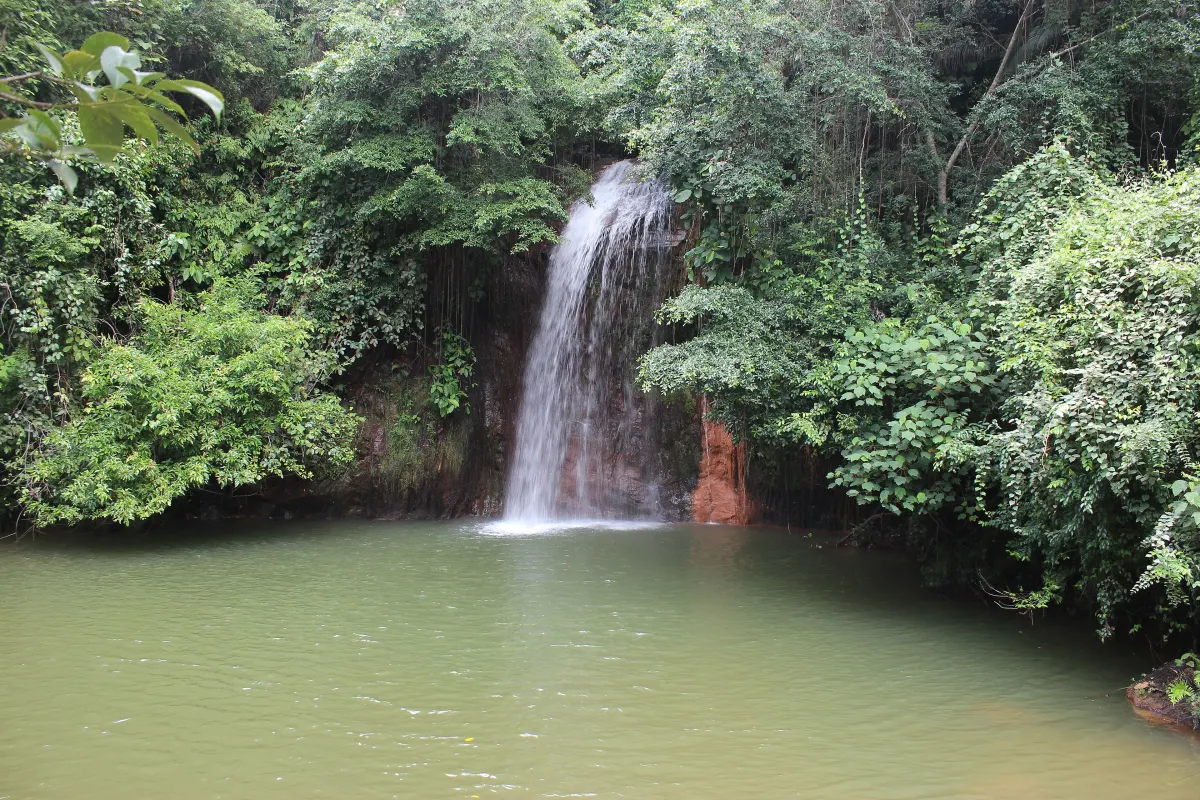
Brunei is close to the equator: hot, humid and green all year, with a chance of a downpour on any day. The main things to plan for are the rain from November to January, the haze that sometimes drifts over from forest fires, the sun and the mosquitoes. Medical care is good, but serious cases are flown to Singapore, so come insured.
The seasons
- It's usually 31–33°C in the day and about 24°C at night, all year.
- The northeast monsoon lasts from about November to March. November to January is the wettest time: the Meteorological Department's averages are 323 mm of rain in November, 359 mm in December and 321 mm in January, with rain on about two days in three. Heavy rain at high tide can flood low roads, and landslides and rough seas are possible.
- February and March are the driest months, with 163 mm and 143 mm, and about 12 rainy days each. They're the best for the rainforest.
- The tourism board says May to July is a second, smaller wet spell. August and September are often fair, but it's the season for haze.
- Brunei doesn't get typhoons.
- Rain often falls in short, heavy bursts. Take a light raincoat or umbrella, shoes that dry quickly, and a dry bag for boat trips. After heavy rain, the river to Ulu Temburong can be too high or too low for boats, so leave a spare day.
The best time to go
February to April is the best bet for weather. Check the dates of Ramadan first (expected from about 8 February to 9 March in 2027), when daytime eating is restricted, and of the celebrations: National Day on 23 February, and the Sultan's birthday on 15 July, with parades and events in Bandar. Hotels are busier in 2027, which is Visit Brunei Year.
Haze
- In dry years, mostly between August and October, smoke from forest and peat fires elsewhere in Borneo can cover Brunei. In early September 2026, all the districts reached unhealthy levels for a few days; by October the air was back to good or moderate.
- The environment department, JASTRe, publishes the Pollutant Standards Index (PSI): over 100 is unhealthy. Check it, stay indoors with the windows shut when it's high, and wear an N95 mask outside.
- If you have asthma, or heart or lung trouble, bring plenty of your medicine, and be ready to change your plans.
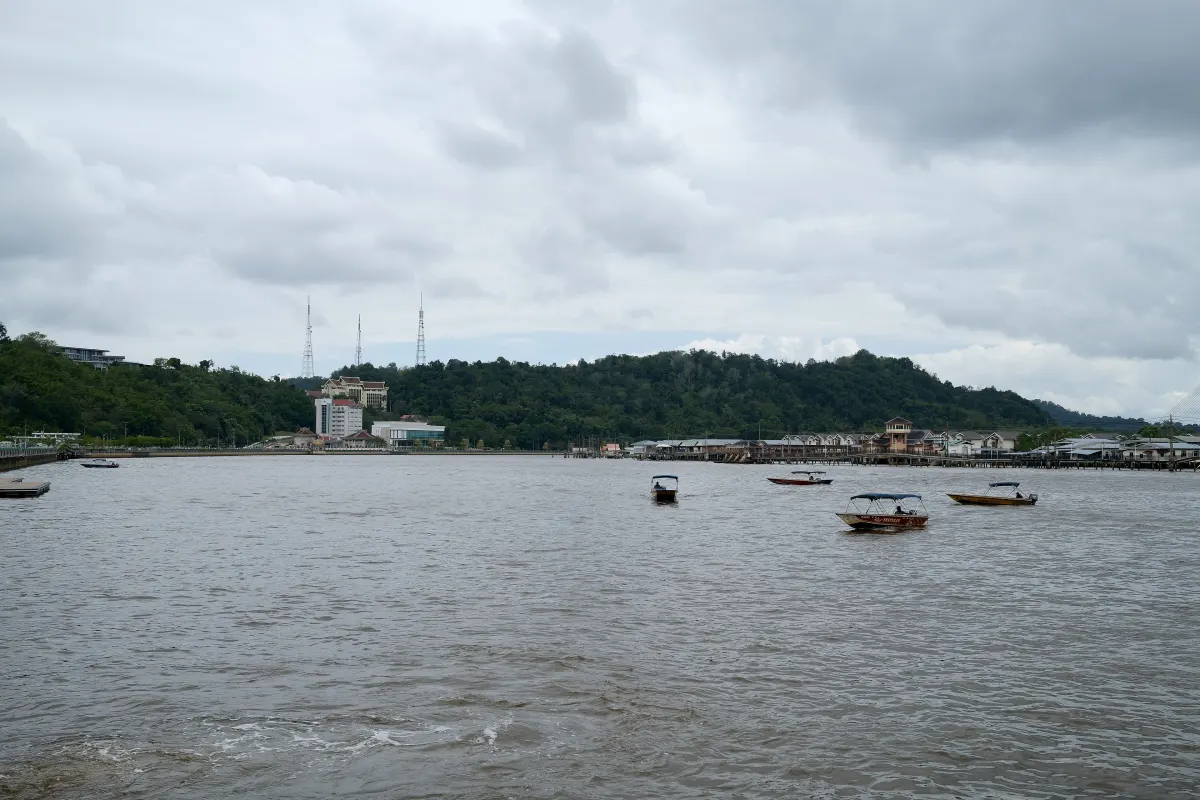
Heat
- Walk early or late, drink a lot of water, and have a break in an air-conditioned museum or café in the middle of the day.
- Light, loose clothes that cover your arms and legs suit the sun, the mosquitoes and local custom.
- Use strong sunscreen, and wear a hat, especially in open boats.
Mosquitoes
- Dengue is the main risk, and its mosquitoes bite by day, in towns too. Use repellent with DEET or picaridin from morning until night. Chikungunya is also a risk.
- Malaria: the risk is very low, and the UK's travel health advice is only to be aware of it and avoid bites. Monkey malaria is found in Borneo's forests, so tell a doctor if you get a fever after a jungle trip.
- If you have a fever, don't take aspirin or ibuprofen until dengue is ruled out. See a doctor.
Other health advice
- Vaccinations: ask your doctor or a travel clinic, six to eight weeks ahead. Be up to date with the routine ones, and ask about hepatitis A, hepatitis B and typhoid. A yellow fever certificate is needed if you're coming from a country with a risk of it.
- Food and water: standards are good. Choose stalls where the food is cooked in front of you. Most visitors drink bottled or filtered water.
- Rabies hasn't been reported in domestic animals here, but bats may carry similar viruses. Don't touch or feed the monkeys at parks such as Tasek Lama, and get any bite or scratch treated straight away.
In the forest and on the water
- Saltwater crocodiles live in Brunei's rivers, and have been seen on beaches. People fishing on riverbanks near Bandar have been killed. Don't swim in rivers or estuaries, except where a guide says it's safe, keep back from the water's edge, and obey the signs.
- The sea can have strong currents, especially during the northeast monsoon, and there are few lifeguards.
- Jungle walks: the police advise against hiking alone, even on well-known trails. Go with a guide, stay on the path, tell someone where you are, and take water, food, a torch and a whistle.
- Leeches are harmless: tuck long trousers into long socks.
- Snakes are rarely seen. Keep away from them, and call the fire service (995) if there's one indoors. The RIPAS hospital has antivenom.
- The climb to the canopy walkway at Ulu Temburong is hundreds of steps (about 800, visitors say), then ladders up a tall tower. You need to be fairly fit and comfortable with heights.
Doctors and hospitals
- Ambulance: 991.
- The main public hospital is RIPAS in Bandar (+673 222 2366). The tourism board also lists two private ones: the Jerudong Park Medical Centre (+673 261 1433) and Gleneagles (+673 261 1883).
- Private clinics are in most shopping areas, and pharmacies are well stocked. Doctors usually speak English.
- Foreigners pay. Have travel insurance that covers medical evacuation, and note that visitors who need a visa must show insurance when they arrive: see Arriving in Brunei.
Safety
Crime is low. Lock your car and don't leave things in it, and take the usual care with bags. Canada notes that thefts go up in July and December, in the school holidays. Women travelling alone report few problems if they dress modestly. The biggest danger is the road: see Getting around Brunei.


Comments
No comments yet.