
Laws in Brunei for visitors: sharia law, alcohol, smoking, drugs and LGBT travellers
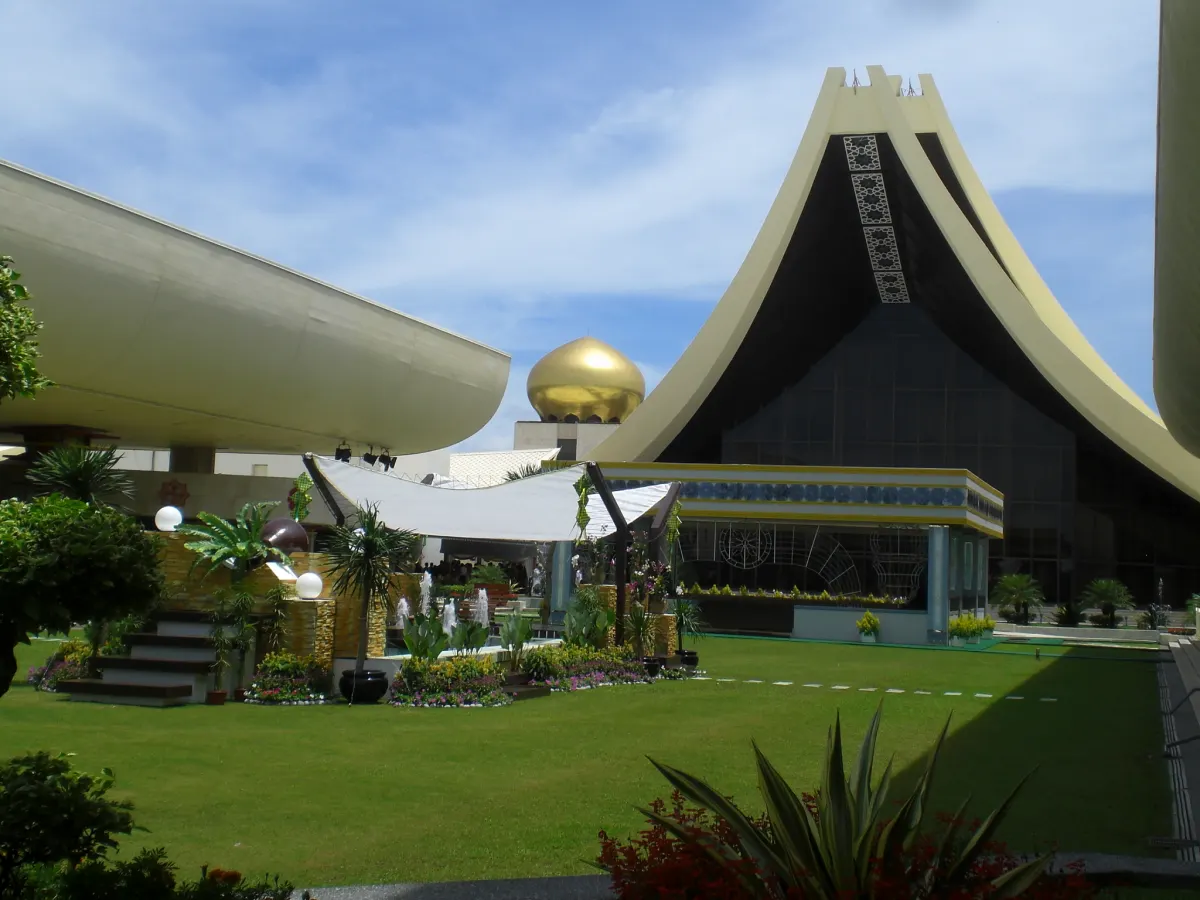
Brunei is an absolute monarchy with strict Islamic laws, and many of them apply to visitors of any religion. Most travellers have no trouble at all: don't drink in public, and keep your opinions on religion and the royal family to yourself.
Sharia law
- Brunei has ordinary courts, based on English law, and Islamic courts beside them. The Syariah Penal Code, fully in force since April 2019, says that it applies to Muslims and non-Muslims unless a section says otherwise.
- It includes extreme punishments, such as death by stoning and amputation. The Sultan said in 2019 that a moratorium on the death penalty covers the code too, and nobody has been executed in Brunei since 1957. Fines are the likeliest penalty for a visitor.
- Insulting Islam, the Prophet, the Quran or the hadith is a very serious crime, for non-Muslims too. So is trying to convert a Muslim, or preaching or handing out material about another religion to Muslims. Non-Muslims can worship in their own churches and temples.
- Unmarried couples: khalwat, being alone together in a way that suggests something immoral, is a crime between a Muslim and someone they aren't married or closely related to, including when the other person isn't Muslim. The fine is up to B$4,000, with up to a year in prison. Two non-Muslim visitors sharing a hotel room aren't covered by that section, but adultery and sex with a Muslim outside marriage are serious crimes.
- Public affection: the code makes "indecent behaviour" in public an offence, with a fine of up to B$2,000 or six months in prison. Don't kiss or embrace in public.
LGBT travellers
- Sex between men is illegal, with a maximum penalty of death by stoning on paper. Sex between women can bring a fine, prison or whipping if either is Muslim. The UK government says there's little evidence of these laws being enforced in recent years, but they're in force, and they apply to visitors.
- It's also a crime for a man to dress as a woman, or a woman as a man, in public, and the UK government says trans people have occasionally been fined.
- There's no open gay scene. If you go, be very discreet, be careful with dating apps and what's on your phone, and read your own government's advice for LGBT travellers first.
Alcohol, smoking and drugs
- Alcohol isn't sold. Non-Muslims can bring in a little and declare it: see Arriving in Brunei. Drinking in a public place, or giving or selling alcohol to a Muslim, can mean a fine of up to B$8,000 or two years in prison. A restaurant isn't a private place.
- Smoking is banned in eating places, shops, offices, car parks, bus stops and indoors generally, and within six metres of those buildings. Tobacco isn't sold legally, and you pay duty on every cigarette you bring.
- Vapes: having them without a permit brings very large fines. Don't bring them.
- Drugs: the penalties are severe, including the death penalty for trafficking, even for small amounts, and caning and long prison terms for other offences. That includes cannabis.
The royal family
Sultan Hassanal Bolkiah has reigned since 1967 and is prime minister as well. He and his family are deeply respected, and criticising them in public, or online, can lead to prosecution. In 2027, Brunei celebrates the 60th anniversary of his accession, the Diamond Jubilee, with a year of events called Visit Brunei Year: hotels will be full around the main celebrations.
See also etiquette, Fridays and Ramadan.


Comments