
Health and heat in Turkmenistan: water, vaccinations, medicines, hospitals and the desert
The main problems for visitors are upset stomachs, the heat and the lack of good medical care. See a doctor or travel clinic at least 6 to 8 weeks before you go, and get insurance that covers evacuation by air.
Vaccinations
- Up-to-date routine vaccinations, including measles, tetanus and polio.
- Hepatitis A for everyone, and often typhoid and hepatitis B.
- Rabies: think about the vaccine before you travel, as treatment may not be available outside the big cities.
- No certificates are required, but a COVID test on arrival still is, according to the UK and Australia. If it's positive, Australia says you may have to quarantine.
Turkmenistan has been certified free of malaria since 2010.
Water and food
- Drink bottled or boiled water, and use it for your teeth. Avoid ice.
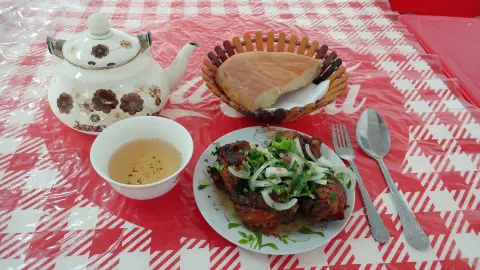
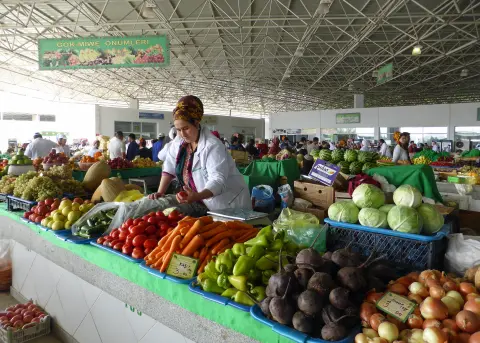
- Eat food that's freshly cooked and hot. Peel fruit, and wash melons before cutting them. Be careful with salads and unpasteurised dairy products.
- Bring rehydration salts and your usual stomach medicine. Long drives have few toilets: carry paper and hand gel.
Heat
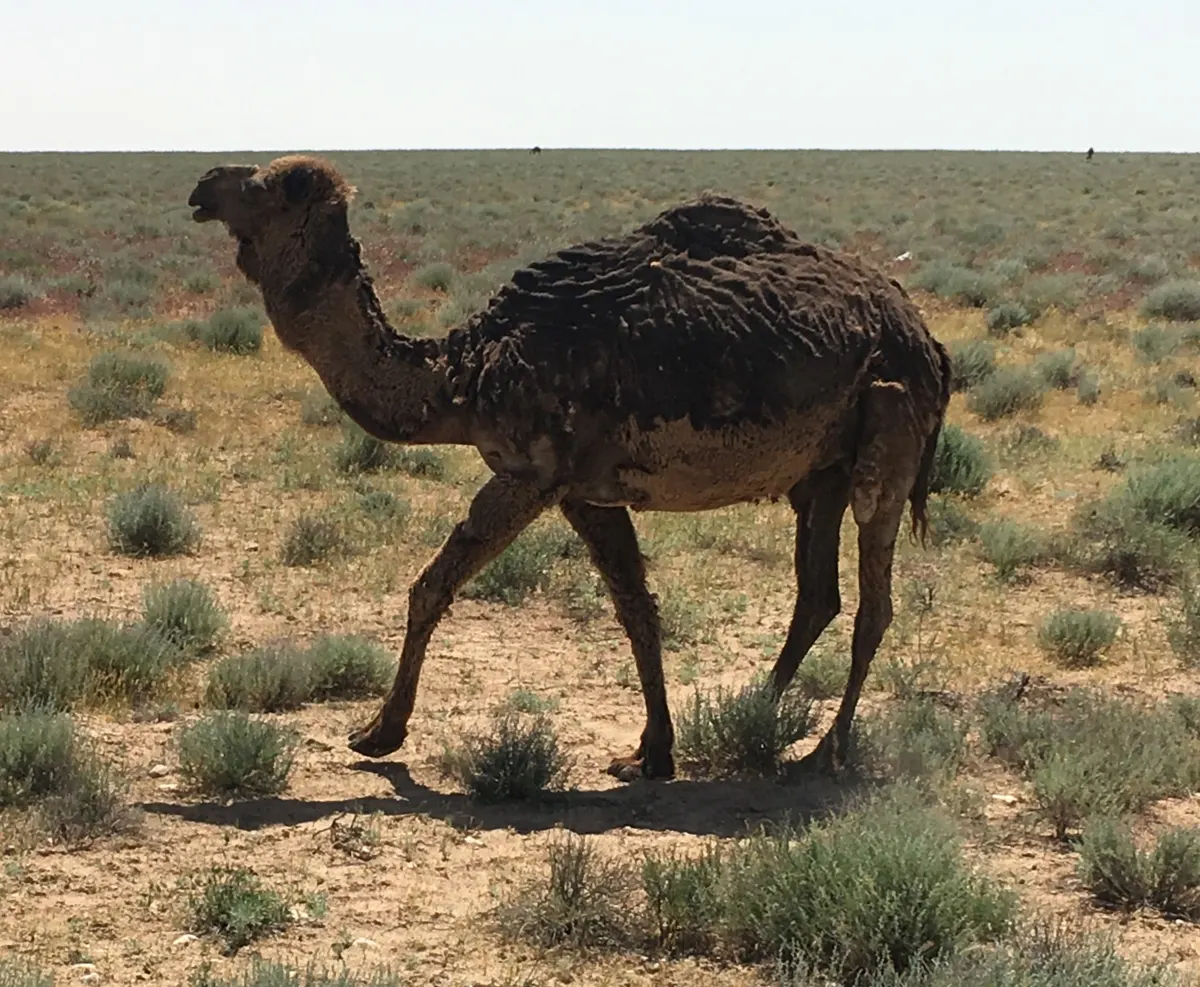
From June to August it's often above 40°C, and the UK says it regularly reaches 45°C in the shade. The desert and the ruins have no shade.
- See the sights at dawn and after 5 pm, and rest at midday.
- Drink before you're thirsty: 3 to 4 litres a day or more, with some salt. Each car should carry spare water.
- Wear a hat, sunglasses, sunscreen and loose long sleeves.
- Headache, dizziness, cramps and nausea are warnings. Get into the shade or a cool car, and cool down. Confusion or fainting is an emergency.
Cold, dust and gas
- Desert nights are cold from October to April, and below freezing in winter. Bring a warm layer and check that your tour's sleeping bags are good enough.
- Dust storms are common, and city air can be poor. Pack eye drops and a mask if you have asthma.
- At the Darvaza crater, stay upwind of the fumes.
Animals and insects
- Don't touch dogs, including the big shepherd dogs (alabai), or cats. If you're bitten or scratched, wash the wound for 15 minutes and get medical help straight away, even if it means leaving the country.
- Ticks can carry Crimean-Congo fever, and sandflies carry leishmaniasis. Use repellent, and check your skin after walking in grass or near livestock.
- Snakes, scorpions and spiders: wear closed shoes, use a torch, and don't put your hands where you can't see.
Your medicines
- Bring all you need for the trip, with a few days' spare. Shortages are common.
- The UK says you may bring prescription medicines with a copy of the prescription, but that morphine and even strong painkillers may be classed as narcotics. Australia adds codeine and some sleeping tablets, and says to declare all prescription medicines.
- Keep them in the original packaging, with a doctor's letter naming each one and the dose. If yours contains codeine, tramadol, a benzodiazepine or a stimulant, ask the Turkmen embassy and your agency in writing before you travel, and ask your doctor about a different one.
Doctors and hospitals
- Care is poor, even in Ashgabat, and foreigners pay a lot, often in cash before treatment. For anything serious, people are flown out, usually to Turkey or the Gulf.
- Pharmacies have limited stock. Bring a first-aid kit, with antiseptic, dressings, antihistamine and your own painkillers (plain paracetamol or ibuprofen).
- Ambulance: 003 from a mobile, 03 from a landline. In the desert your guide's car is the ambulance, so tell the guide about any condition or allergy.
- You may be sold Turkmen medical insurance, or have it included in the tour. It doesn't replace your own.
Comments
No comments yet.