
Food and culture in Turkmenistan: bread, plov, melons, tea, dress, mosques, carpets and horses
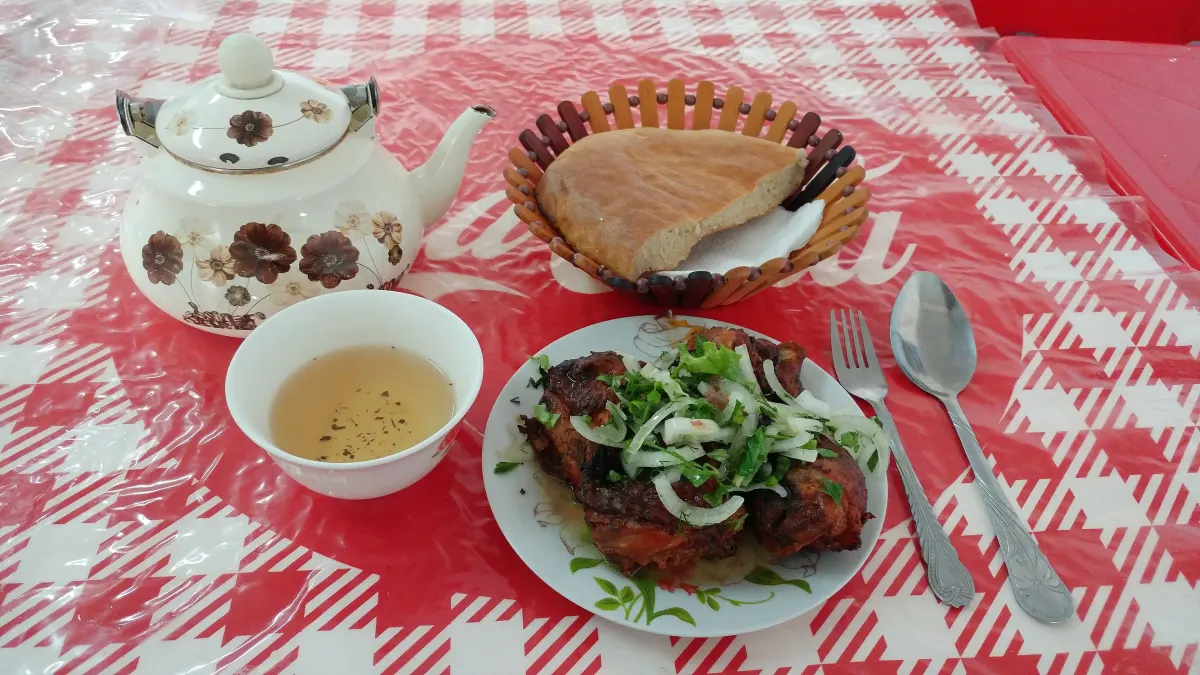
Turkmen food is meat, bread, rice, melons and endless green tea, with an old nomad's sense of hospitality. People are polite, reserved with strangers and proud of their carpets, horses and bread.
What to eat
- Chorek: round bread baked on the wall of a clay tandyr oven, with every meal.
- Plov: rice with lamb, carrots and onions.
- Dograma: torn bread with shredded meat, onion and broth, made for Kurban Bayram and family feasts.
- Ichlekli: a large round pie of meat and onion, once baked by shepherds in hot sand and embers. Gutap is a flat fried or baked pastry with herbs, spinach, pumpkin or meat.
- Shashlik: skewers of lamb, beef, chicken, or fish from the Caspian, grilled over saxaul wood.
- Manty (steamed dumplings), chorba (meat and vegetable soup) and govurma (lamb fried and kept in its own fat).
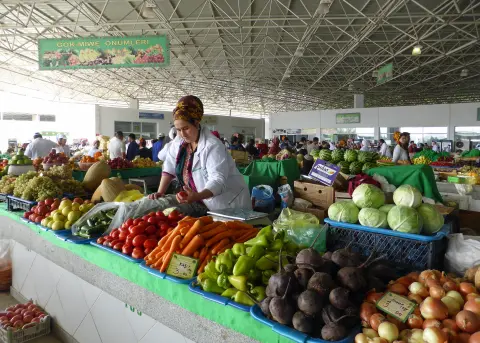
- Melons: there are hundreds of kinds, and a national Melon Day in August. Late summer and autumn are best. Dried melon makes a good gift.
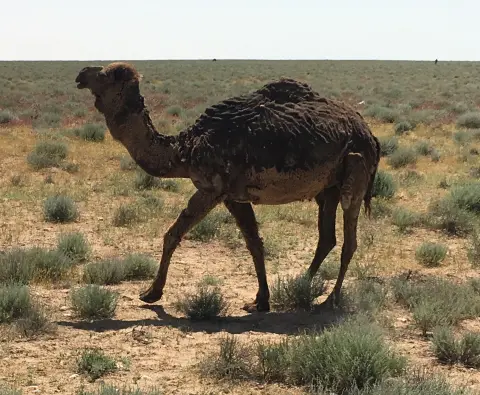
- Chal: fermented camel's milk, sour and fizzy. Agaran is its cream.
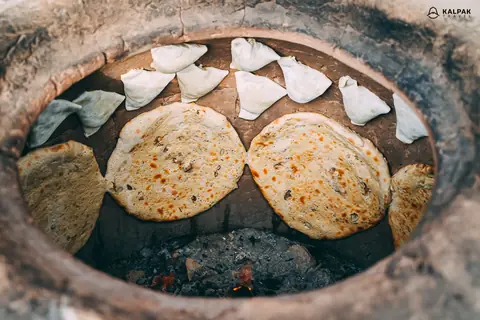
Chorek (Turkmen bread)
Round flatbread baked on the walls of a clay tandyr oven, treated with great respect in Turkmen culture: it must never be thrown away or placed upsid…
Drinks
Green tea (gok chai) is drunk all day. Your bowl is filled only part way, so that the host can keep pouring. Vodka, cognac, wine and beer are sold in restaurants and shops. Drink bottled water.
Vegetarians
It's hard outside Ashgabat. Ask for salads, gutap with spinach or pumpkin, fried eggs, bread, yoghurt, fruit and nuts, and say clearly that you don't eat meat broth. Tell the agency when you book, and take snacks for the desert.
Bread
Bread is almost sacred. Don't put it upside down, on the ground or on a seat, don't step over it, and don't throw it away in front of people. Tear it with your hands. If you're offered a piece, take some with both hands or your right one.
Greetings and homes
- Say salam. Men shake hands with men, often with the other hand on the forearm or heart. With women, wait for her to offer a hand, or nod with your hand on your heart.
- Greet and serve older people first, and stand when they come in.
- Tourists on a normal visa usually can't stay in, or may not be allowed to visit, private homes. If your agency arranges a meal with a family, take your shoes off, bring sweets, fruit or something from your country, and eat a little of everything.
- Don't point your feet at people or food, whistle indoors, or blow your nose at the table.
- Don't kiss or hug in public, even if you're married.
What to wear
People dress smartly. Most women wear long dresses. Visitors should cover shoulders and knees; trousers are fine for women, and men rarely wear shorts in town. Take a scarf for mosques and shrines, light long sleeves for the sun, and something warm for desert nights.
Mosques and shrines
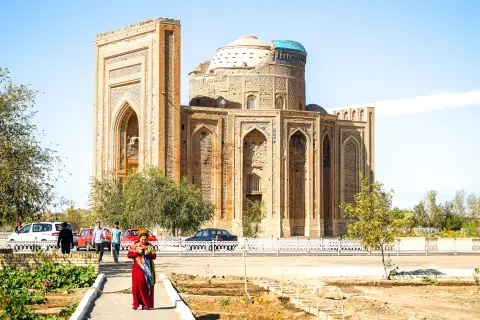
Most people are Sunni Muslim, in a secular state, with many Sufi shrines. At the great mosque at Gypjak near Ashgabat, and the shrines of Kunya-Urgench, you'll be among pilgrims: take off your shoes where others do, cover your hair if you're a woman, keep quiet, and ask before taking photos. Avoid Friday midday prayers.
In Ramadan (about 8 February to 9 March in 2027) don't eat, drink or smoke in front of people who are fasting.
Holidays
- Nowruz on 21 and 22 March is the best one for visitors, with food, horses, wrestling and yurts.
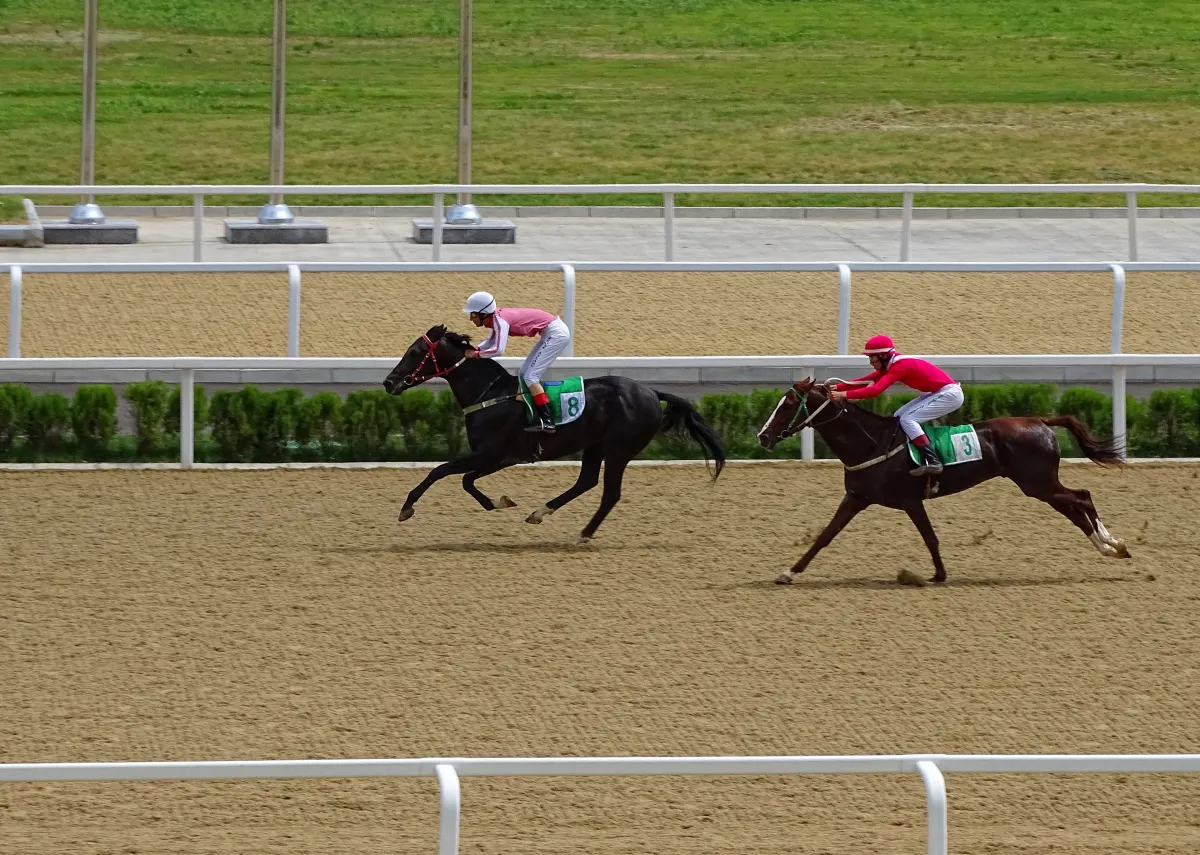
- Horse Day, the last Sunday of April, celebrates the golden Akhal-Teke. Carpet Day is the last Sunday of May.
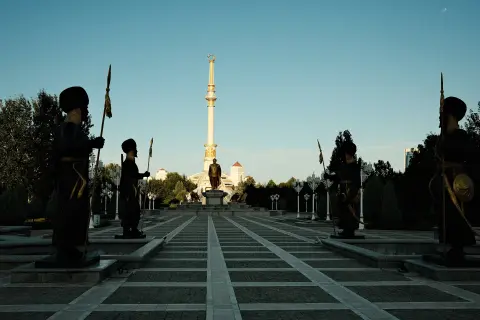
- Independence Day (27 September) and Neutrality Day (12 December) bring parades in Ashgabat: roads close, and you're not usually allowed near.
- Kurban Bayram is about 16 May in 2027.
Carpets and other things to buy
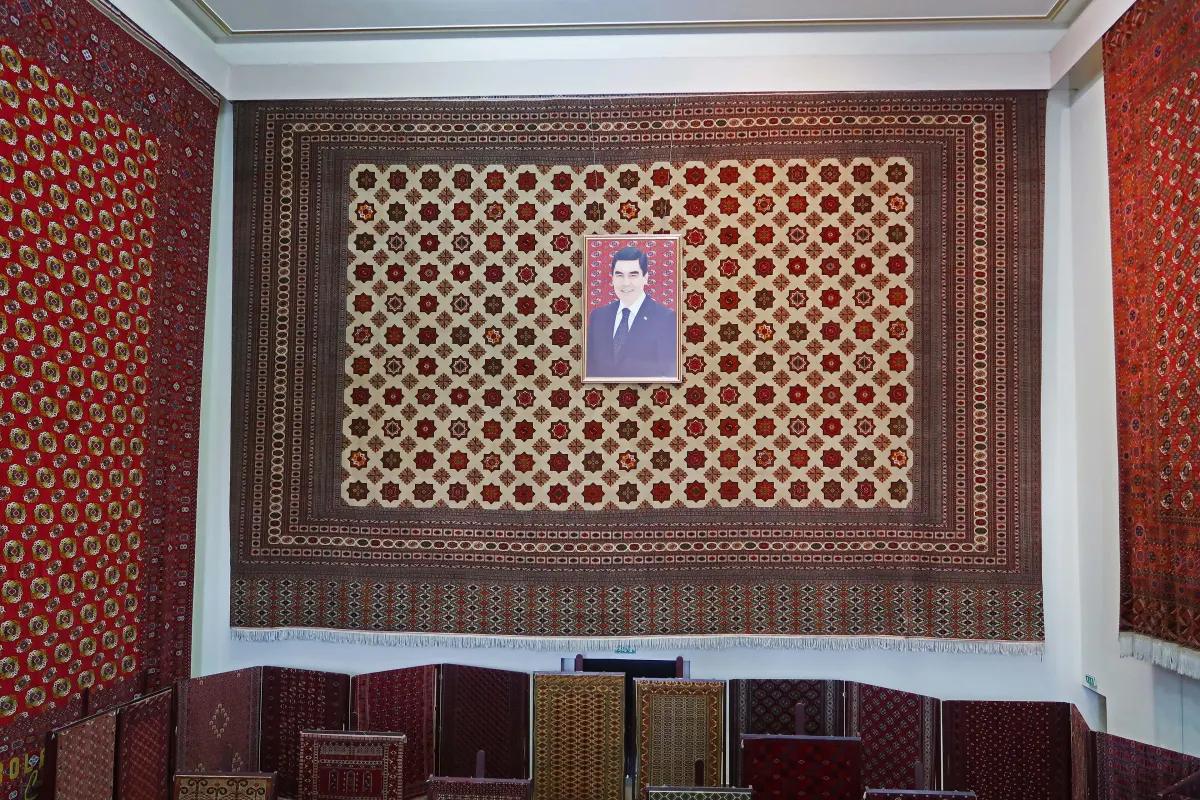
- Turkmen carpets are deep red with the gul emblem of each tribe. See old and giant ones at the Carpet Museum in Ashgabat.
- A handmade carpet needs an expert certificate and an export permit, or customs will take it. State shops usually include it; for bazaar carpets your agency can arrange it, which takes a day or more. Large ones pay a duty. Keep all the papers.
- Don't buy antiques, old jewellery or anything from an archaeological site.
- Felt rugs, silk (keteni), woolly telpek hats, embroidered skullcaps, dried melon and saxaul-wood crafts are easier.
- Altyn Asyr bazaar (Tolkuchka), on the edge of Ashgabat, is the biggest market, busiest at weekends. Ask before you take photos.
A few words
- Salam: hello. Sag boluň (sagh bolung): thank you, also goodbye.
- Hawa: yes. Ýok (yok): no.
- Çaý (chai): tea. Suw: water. Näçe? (nache): how much?
Russian is widely understood. English is rare outside tourism.
Comments
No comments yet.