
Travel warnings for Myanmar: where governments say not to go, and why
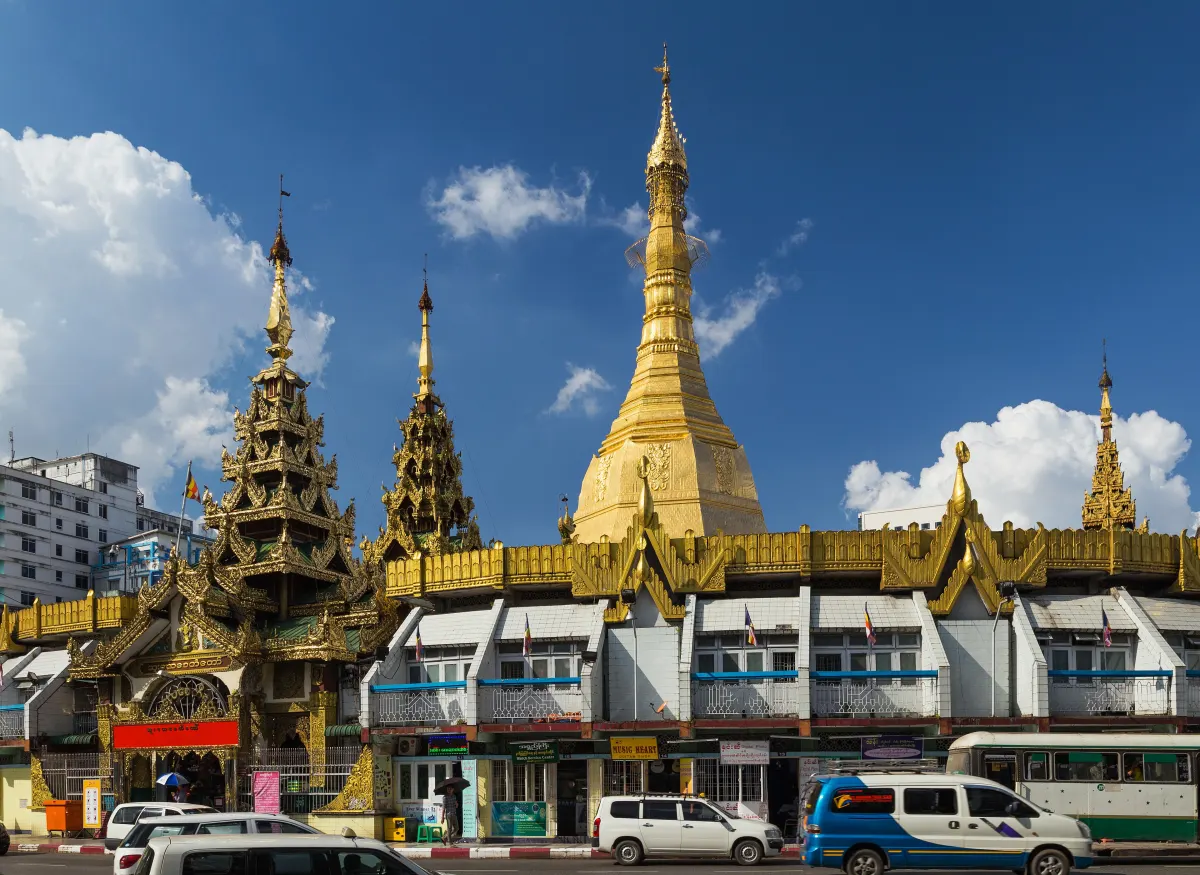
Myanmar (Burma) has been in civil war since the military took power in February 2021. Australia, Canada, New Zealand and the USA all advise against travelling there, and the UK advises against travel to most of the country. This article sums up their advice as of late November 2026. The situation changes fast, so read your own government's advice before you make any plans, and again before you leave. We don't suggest any routes or itineraries for Myanmar at the moment.
What governments advise
- Australia (Smartraveller): Do not travel, because of the dangerous security situation, civil unrest and armed conflict.
- Canada (travel.gc.ca): Avoid all travel. It tells Canadians in Myanmar to leave if they can do so safely.
- New Zealand (SafeTravel): Do not travel, except to Yangon, where it's "Avoid non-essential travel".
- USA (State Department): Level 4: Do not travel, its highest level, in the advisory of May 2026.
- UK (gov.uk): advises against all travel to a large part of the country, and against all but essential travel to much of the rest. Only some areas, including Yangon and Naypyitaw, aren't under either warning, but it says there's a heightened risk there too. The page has a detailed map.
What the UK's warnings mean for well-known places
- Advised against all travel: Chin, Kachin, Kayah, Kayin, Mon and Rakhine states, Sagaing and Magway regions, northern Shan State, the part of Mandalay Region north of Mandalay city and Pyin Oo Lwin, Bago Region east of the Yangon–Mandalay Expressway, and most of northern Tanintharyi. That includes the Golden Rock (Mon State) and Mrauk U (Rakhine State).
- Advised against all but essential travel: the rest of Mandalay Region, southern and eastern Shan State, the rest of Bago Region, southern Tanintharyi and some townships of Ayeyarwady Region. That includes Bagan, Mandalay city with Mandalay Hill and the U Bein Bridge, Mount Popa and Inle Lake.
- Not under either UK warning: Yangon Region, with the Shwedagon Pagoda. Australia, Canada and the USA still say not to travel there.
Armed conflict
- Fighting between the military and many armed groups goes on across much of the country, with air strikes, artillery and drones. Parts of the country, and most of the border areas, are outside the government's control. Civilians have been killed, and schools, hospitals and hotels have been hit.
- Bombs have gone off in Yangon and other cities. Most are aimed at police, soldiers, government offices and businesses linked to the military, but governments warn that places foreigners use, such as hotels, restaurants, bars and shopping centres, can be attacked too.
- Landmines are a serious danger in rural areas and usually aren't marked. A foreign tourist was killed by one near Hsipaw in 2019.
- The roads between Yangon and Mandalay (the expressway and National Highway 1) have been attacked and mined. The UK warns of more risk after dark.
- Risk is higher on national days and anniversaries, including 4 January, 1 and 12 February, 2 and 27 March, the Thingyan new year in mid-April, 19 July, 8 August and 25 November. Stay away from all protests, rallies and political gatherings, and don't photograph them.
Martial law, curfews and checkpoints
- There was an election in December 2025 and January 2026, held only in part of the country, and a military-backed government took office in 2026. The war goes on. In October 2026 martial law was extended in 55 townships, according to news reports.
- Curfews vary by township and can be brought in at short notice. Breaking a curfew or ignoring soldiers' orders can mean a long prison sentence.
- Expect checkpoints, including in cities. Carry your passport and visa. Foreigners aren't allowed in some areas, and need permission for others: ask the local authorities before you travel anywhere.
- If you're stopped or the road is blocked, don't try to push through: the UK advises turning around.
Arrest, dual nationals and conscription
- Foreigners have been arrested and held without good reason. Journalists, activists and people who criticise the authorities, even online, are most at risk: see Laws, phones and the internet.
- Myanmar doesn't recognise dual nationality. If the authorities see you as a citizen, your other government may not be allowed to help you.
- Conscription has been in force since February 2024, for men and women. Canada gives the ages as 18 to 35 for men and 18 to 27 for women, but the US says the law reaches men up to 45 and women up to 35 (the higher ages are for some professions). Service is at least two years. If you also have Myanmar nationality, a foreign passport may not exempt you.
Fake jobs and scam centres
- Criminal gangs run online scam centres, especially around Myawaddy and Tachileik near the Thai border. Foreigners have been tricked by fake job offers, often in Thailand or another nearby country, then taken over the border, held and forced to work.
- Be very wary of any well-paid job in the region with travel paid for, including IT, customer service and English teaching jobs, and don't let an employer keep your passport.
How much help you can get
- Embassies in Yangon say they can give only limited help, and that they aren't always told when someone is arrested. Australian embassy staff need approval for official trips within Myanmar. If you're detained, ask for your embassy straight away.
- Register your trip with your government if it has a system for that, and leave your plans with someone at home.
- 24-hour numbers: UK +44 20 7008 5000, Australia +61 2 6261 3305, New Zealand +64 99 20 20 20. For others, look up your embassy's number before you travel.
- In Myanmar: police 199, ambulance 192, fire 191. Don't count on an English speaker or a quick response.
If you're there, or have to go
- Canada suggests keeping food and water for seven days, cash and charged power banks, in case services are cut.
- Keep your movements to a minimum, be indoors after dark, and keep away from police stations, government offices and military sites.
- Check that flights out are running, and don't rely on leaving by land.
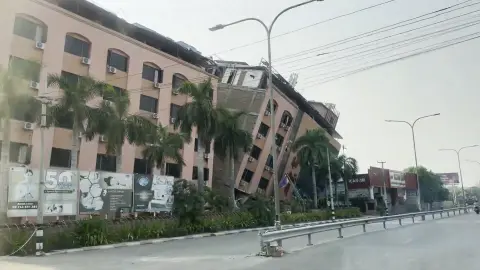
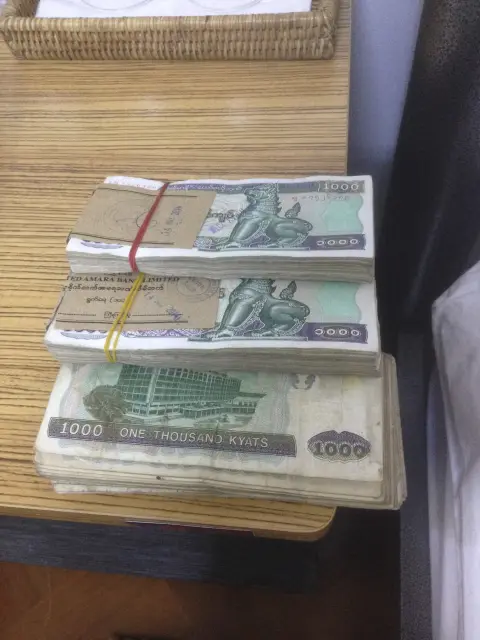
- More: entering Myanmar and insurance, money, laws, phones and the internet, and health, the earthquake and other hazards.


Comments
No comments yet.