
Health in Kazakhstan: ticks, altitude, smog, rabies, water and medical care
There's little you need to worry about if you prepare: see a travel clinic about six to eight weeks before you go, take good insurance, and look out for ticks. Medical care is good in private clinics in Almaty and Astana, and basic in the countryside.
Vaccinations
- Be up to date with routine vaccines, including measles, and ask about hepatitis A, hepatitis B and typhoid.
- Ask about tick-borne encephalitis and rabies if you'll hike, camp, ride or work with animals.
- You need a yellow fever certificate only if you arrive from a country with a risk of it.
Ticks
- Tick-borne encephalitis is a risk in forests and mountains, especially around Almaty, in East Kazakhstan and in the north (including Akmola, which takes in Burabay), from spring to late autumn and highest from about April to June.
- Cover up with long sleeves and trousers tucked into socks, use repellent with DEET on your skin and permethrin on your clothes, and check your whole body every evening. Remove ticks quickly with tweezers.
- Crimean-Congo haemorrhagic fever occurs in the south, from ticks and from handling livestock and raw meat, mostly in spring and summer. It's rare in visitors.
Altitude
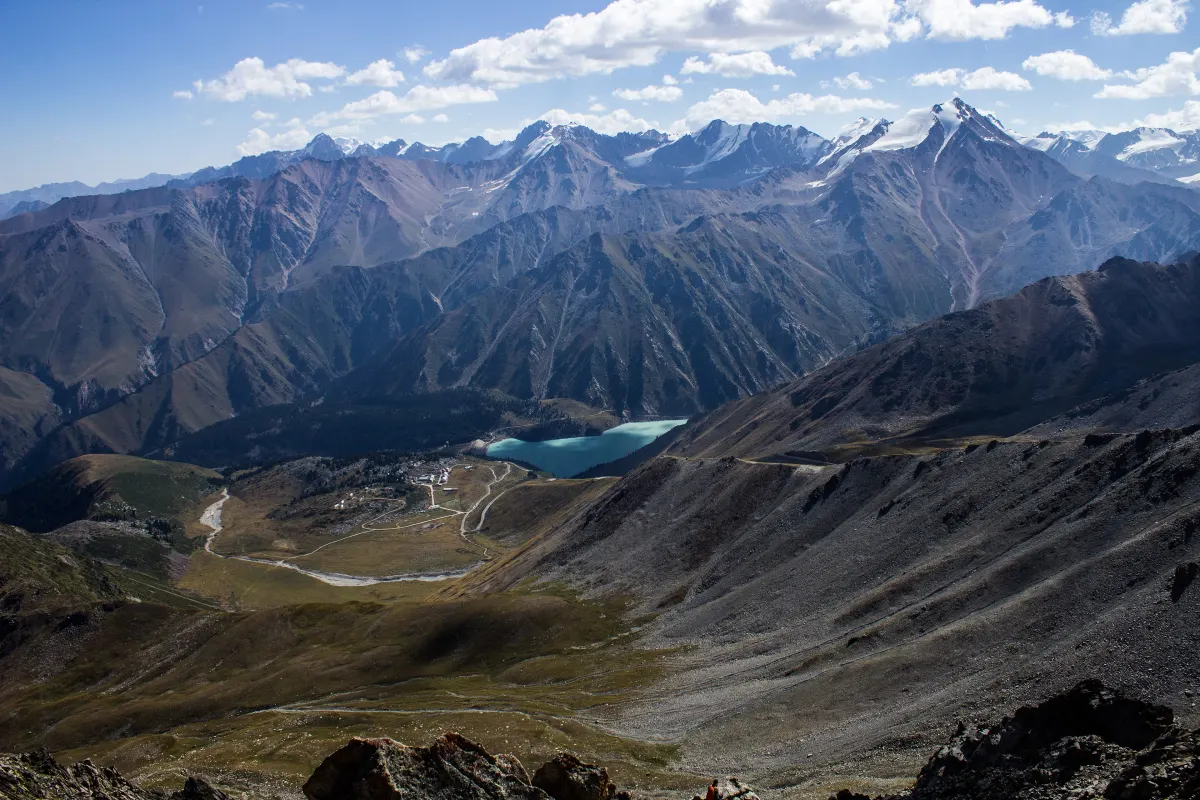
- Almaty is at 700 to 900 m, and you can be at 3,200 m at the top of Shymbulak within an hour or two by gondola, so headaches and breathlessness are common. Go up slowly, drink water, and go down if you feel ill.
- If you plan to trek or climb above about 3,000 m, spend a night or two at a middle height first, and ask your doctor about altitude medication.
- The sun is strong at altitude and on the steppe: use sunscreen, a hat and sunglasses, and drink plenty.
Cold and smog
- In winter the north falls below −30°C: see Weather and seasons. Cover your face and hands against frostbite.
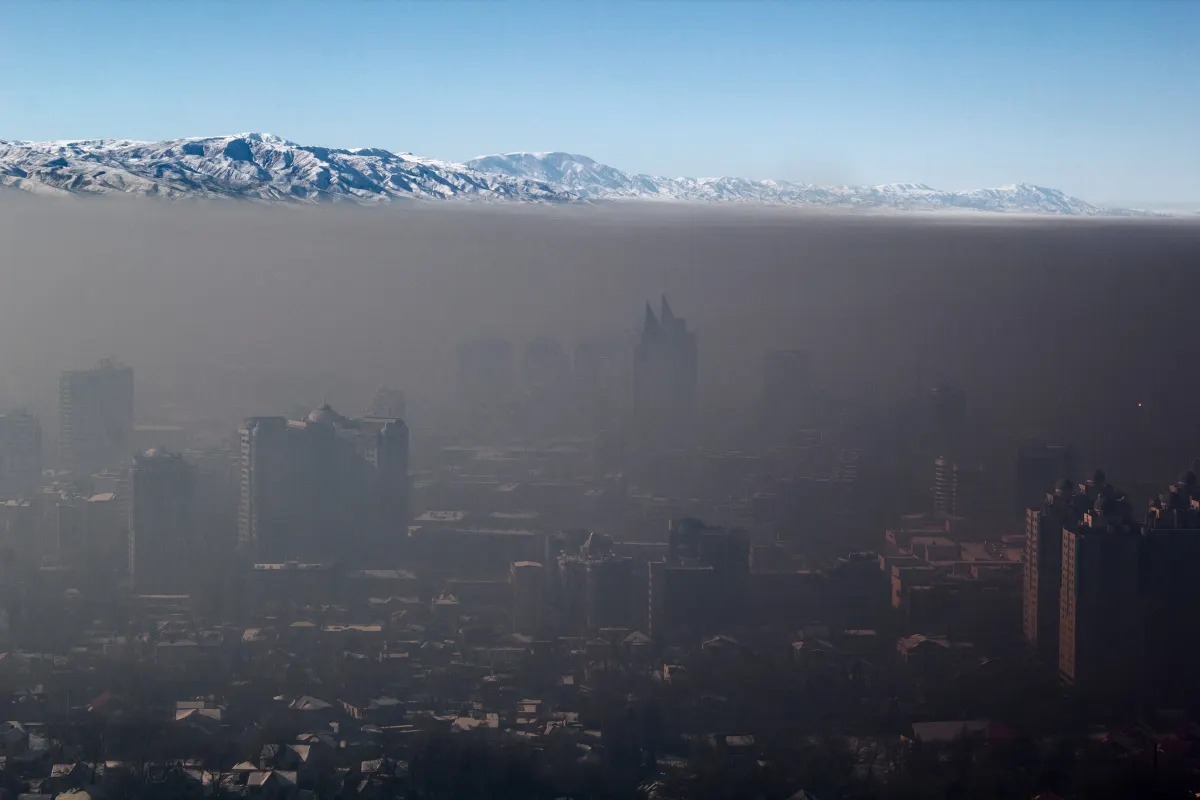
- Smog hangs over Almaty, and to a lesser extent Astana, from about November to March, from coal heating and traffic, trapped by the mountains in Almaty. If you have asthma or heart disease, bring your medicine and a good mask, and go up into the mountains for clean air.
Rabies and animals
Rabies is present. Don't stroke dogs, and treat any bite or scratch: wash it for 15 minutes with soap and water, and get medical help the same day. Post-bite treatment may be limited outside cities.
Food and water
- Don't drink tap water. Bottled water is cheap, and boiled water is always available for tea.
- Street food is generally fine if it's freshly cooked. Start with a little kumis; fermented mare's milk upsets many stomachs.
Medical care and insurance
- Private clinics in Almaty and Astana are the best choice, and some have English-speaking staff; your embassy or insurer has lists. Elsewhere, few staff speak English.
- Get insurance that covers medical evacuation, and mountain activities, winter sports or horse riding if you plan them.
- Call 103 for an ambulance.
- Pharmacies are plentiful in towns. Bring enough of your own medicines in their original packaging with a doctor's letter, and check whether any contain controlled drugs, as penalties are severe.

Comments
No comments yet.