
Food and drink in Kazakhstan: beshbarmak, horse meat, baursak, kumis, tea and Almaty's bazaars
Kazakh food comes from a life of herding: meat, dough and milk, in many forms, with Uzbek, Uyghur, Dungan, Russian and Korean dishes added by the people who settled here. In Almaty you can eat all of these, along with good coffee and modern Kazakh cooking.
Kazakh dishes
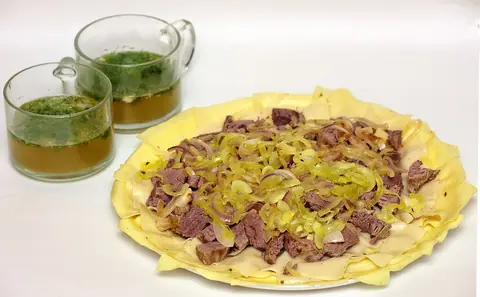
- Beshbarmak, boiled meat on wide sheets of noodle with onion, with a bowl of broth (sorpa), is the national dish.
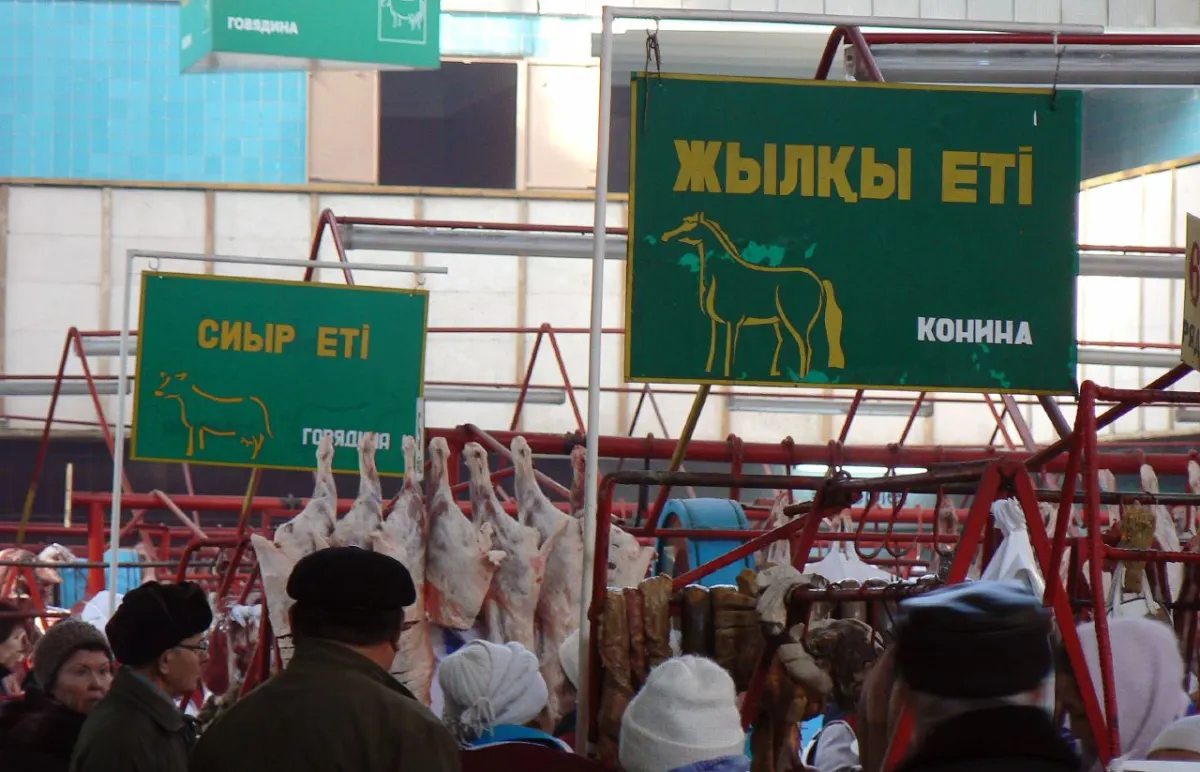
- Horse meat is ordinary and prized here. Kazy is a horse-rib sausage, zhaya and shuzhuk are other cuts and sausages. Say so politely if you'd rather not: ask konina? ("horse meat?") to check.
- Kuyrdak is a fry-up of liver, heart and other offal with potato and onion.
- Baursak, puffy fried dough, comes with every cup of tea.
- Kurt, hard, salty balls of dried curd, is the snack to take on the road; it's an acquired taste.
Food and drink
Beshbarmak
Almaty
Kazakhstan's national dish, whose name means 'five fingers' because it's eaten by hand.
From the neighbours
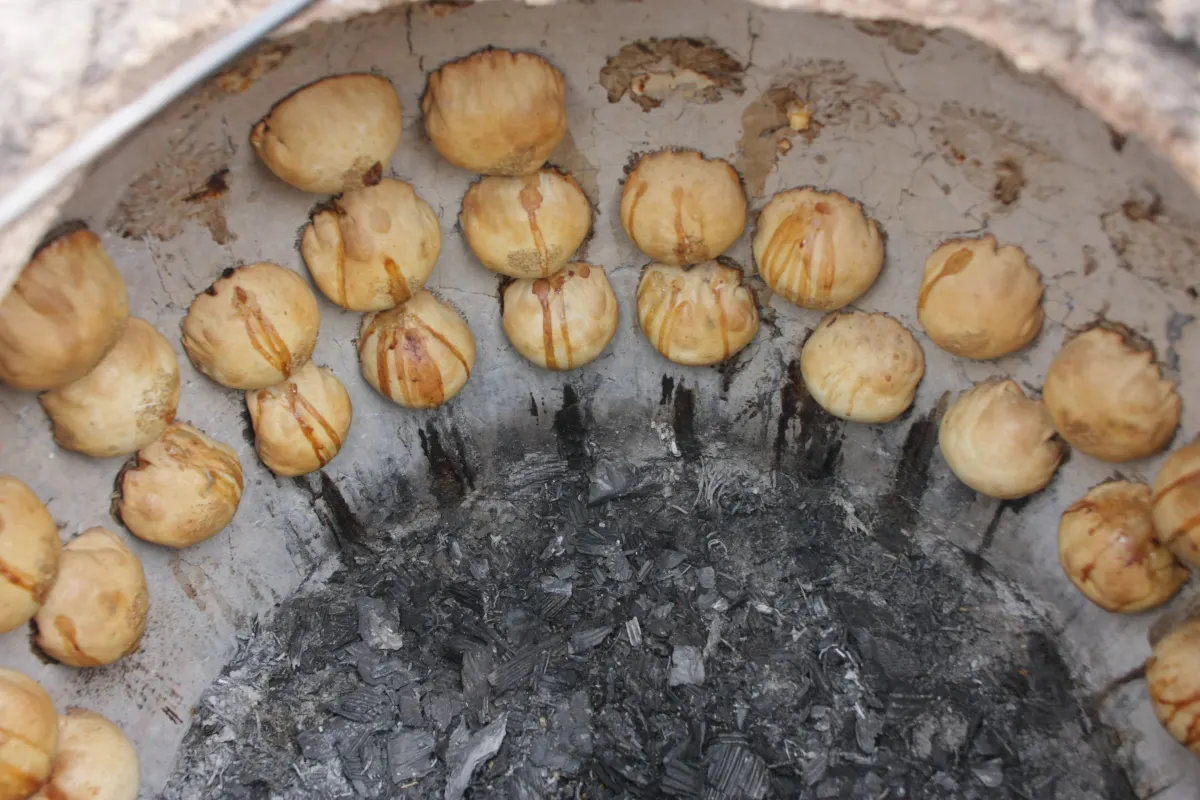
- Lagman, hand-pulled noodles with meat and vegetables, from the Uyghurs and Dungans; manti, big steamed dumplings; and samsa, pastries baked on the wall of a clay oven.
- Plov, rice with meat and carrots, is best in the south, around Shymkent and Turkistan.
- Shashlik, skewers of meat grilled over coals, is everywhere, with flatbread and onion.
- Korean salads, such as spicy carrot (morkovcha), came with Koreans deported from the Soviet Far East in the 1930s, and are on every market stall.
Drinks
- Tea, black and strong, with milk, is drunk all day. Hosts half-fill your bowl, so they can keep refilling it: a full bowl hints that it's time to go.
- Kumis, fermented mare's milk, is sour, fizzy and a little alcoholic, and shubat is the camel-milk version. Try them in summer, and start with a little.
- Beer, vodka and Kazakh wine and cognac are easy to find. Shops can't sell alcohol between 11pm and 8am, or spirits over 30% between 9pm and noon; bars can. The law bars sales to people under 21, so carry ID. Drinking in the street is an offence.
- Don't drink the tap water: use bottled or filtered.
Where to eat
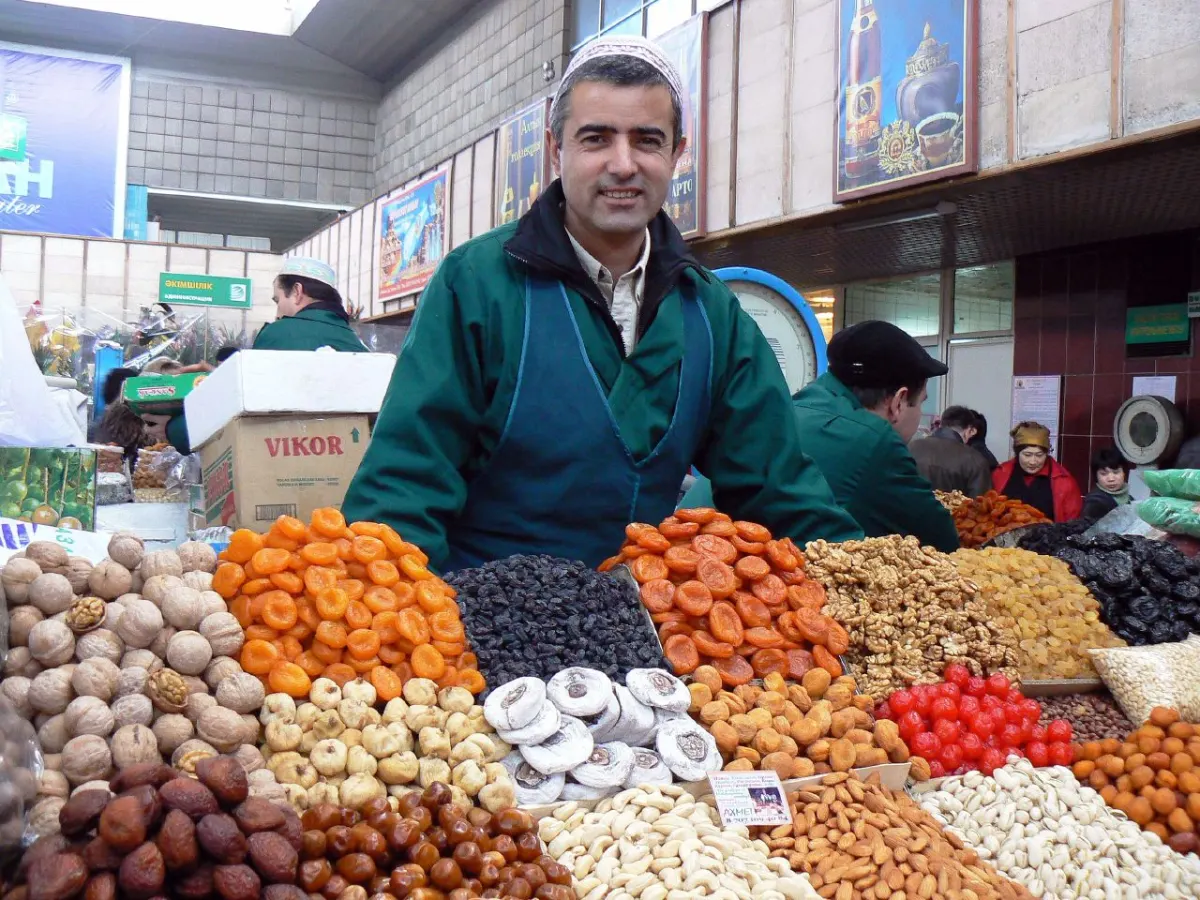
- The Green Bazaar in Almaty has horse sausage, dried fruit and nuts, kurt, honey and Korean salads. Vendors hand out tastes.
- A stolovaya is a cheap canteen where you point at what you'd like. A chaikhana is a teahouse with plov and shashlik.
- The area around Almaty is the home of the wild ancestor of the apple; try the big Aport apples in autumn.
Vegetarians, vegans and halal
It's a meat country. Vegetarians do well in Almaty and Astana, with Indian, Georgian and Korean restaurants and vegan cafés; elsewhere, ask for salads, pumpkin manti, vegetable lagman without meat, eggs and bread. "Without meat" in Russian is bez myasa, but broth and fat get used anyway. Most meat is halal; pork is served in some Russian and other restaurants.

Comments
No comments yet.