
Culture and etiquette in Kazakhstan: hospitality, yurts, mosques, Nauryz, languages and the law
Kazakhstan is relaxed and welcoming. It's a mainly Muslim, officially secular country, where Kazakhs make up around 70% of people and Russians, Uzbeks, Uyghurs and many other groups the rest. Guests are honoured, and older people respected.
Greetings and manners
- Men shake hands, sometimes with both. Wait for a woman to offer hers. Greet older people first.
- Take your shoes off in homes, and often in guesthouses.
- If you're invited home, bring something small: sweets, fruit, or a souvenir from your country. You'll be offered tea and bread; take at least a little of everything.
- Bread is treated with respect: don't put it upside down or throw it away.
- The place furthest from the door (tor) is the seat of honour. Let your host seat you.
In a yurt
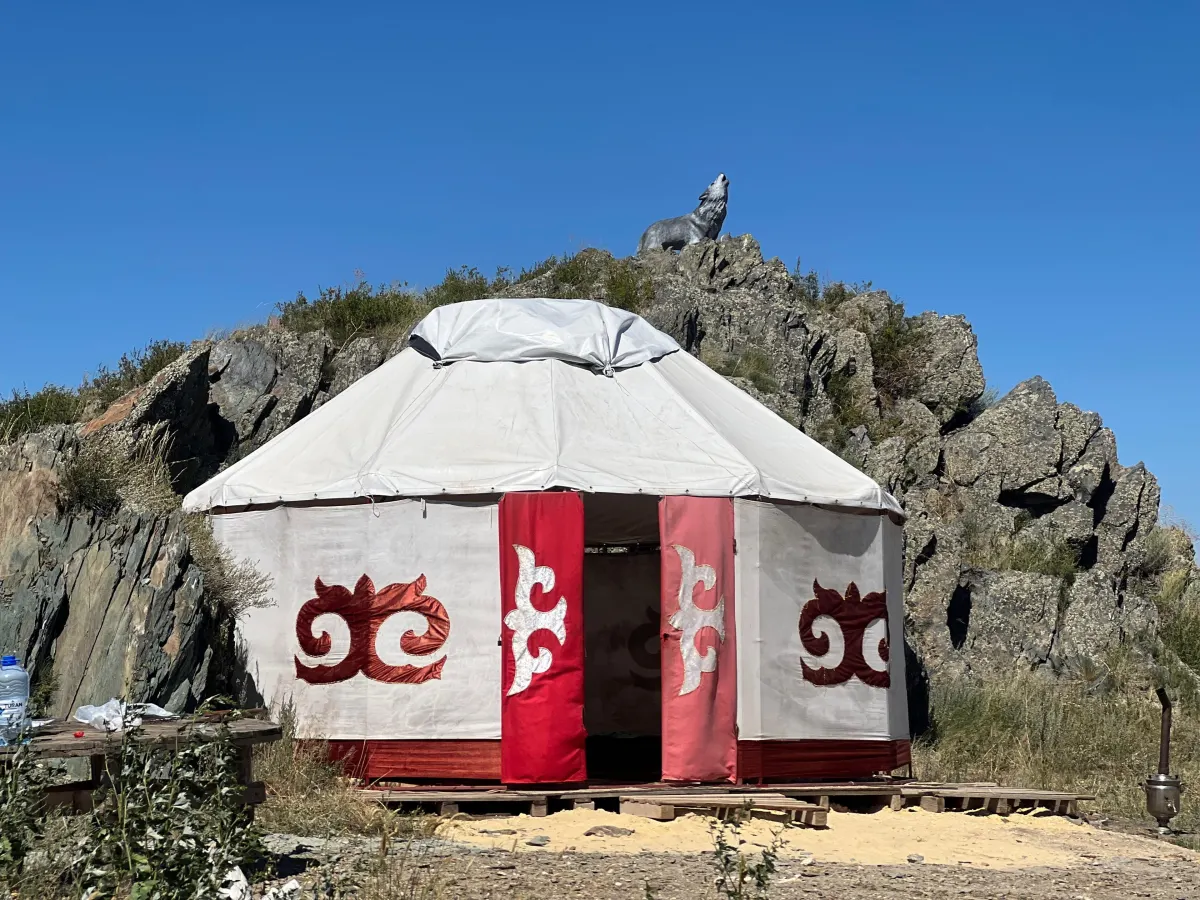
A yurt (kiiz ui) is still the symbol of home, and the ring at its top (shanyrak) is on the national emblem. Don't step on the threshold or lean on the frame, and move round the fire rather than across it. At festivals and tourist camps you can look inside and eat in one.
Mosques and mausoleums
- Dress modestly: long trousers or skirt, covered shoulders, and a headscarf for women inside, often lent at the door. Take off your shoes where others do.
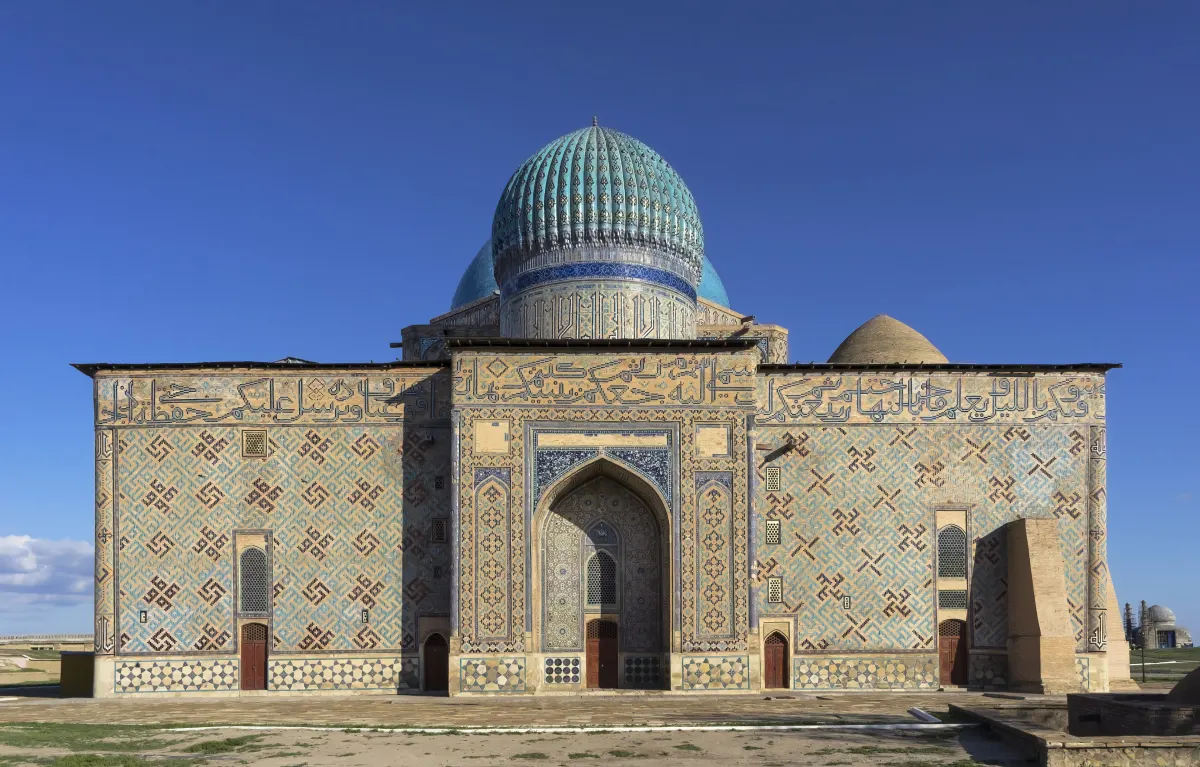
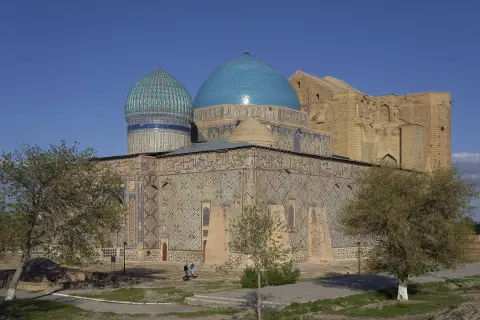
- The mausoleum of Khoja Ahmed Yasawi in Turkistan is a place of pilgrimage. Don't photograph people praying, and leave a mausoleum without turning your back on the tomb, as pilgrims do.
- Visitors are welcome at Astana's great mosques outside prayer times.
Holidays and festivals
- Nauryz, the spring new year, on 21 to 23 March, is the big one: yurts in the squares, horse games, music, and nauryz kozhe, a soup of seven ingredients. Trains and flights are full.
- Horse games such as kokpar, in which teams of riders fight over a goat carcass, and kyz kuu, "catch the girl", are held at Nauryz and other holidays. Hunting with eagles is shown at festivals, mostly in autumn and winter.
- New Year (31 December and 1 January) is celebrated more than Christmas. Kurban Ait is a public holiday, and dates of Islamic holidays move each year. During Ramadan most restaurants stay open.
Languages and words
Kazakh and Russian are both used; trying either is welcomed.
- Hello: salemetsiz be (Kazakh), zdravstvuyte (Russian)
- Thank you: rakhmet (Kazakh), spasibo (Russian)
- Yes, no: iya, zhok (Kazakh), da, nyet (Russian)
- How much?: kansha turady? (Kazakh), skolko stoit? (Russian)
Laws to know about
- Carry your original passport. Police can ask for it, and a copy isn't enough.
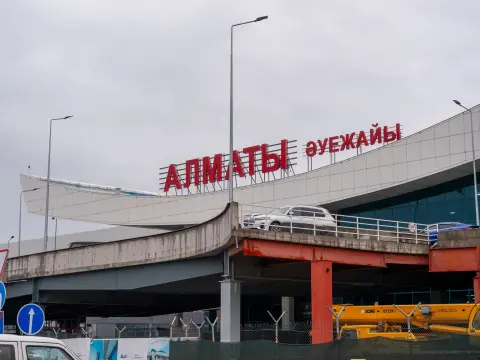
- Don't photograph military sites, border posts, airports or some government buildings, even without a sign. Some shops don't allow photos. Drones need a licence to fly.
- LGBT+ travellers: same-sex relationships are legal, but attitudes are conservative, and a law introduced at the end of 2025 bans the "propaganda" of "non-traditional sexual orientation", with fines, detention and deportation. Be careful what you post and display.
- Religion: missionary work and handing out religious literature without registration are illegal.
- Public protest needs permission, and insulting religion, the nation or its symbols, including online, can be a crime.
- Covering your face in public is illegal, with exceptions such as weather and health.
- Some political topics are sensitive. Let your hosts raise them.

Comments
No comments yet.