
Health in Azerbaijan: vaccinations, hospitals in Baku, rabies, ticks, altitude and water
Azerbaijan needs few health precautions beyond good insurance. Private hospitals in Baku are decent, but care outside the capital is very limited, so plan for getting back to the city, or abroad, if something serious happens.
Vaccinations
Check with a travel clinic six to eight weeks before you go. The UK's TravelHealthPro advises:
- Everyone: routine vaccinations up to date, including measles (MMR) and diphtheria, tetanus and polio.
- Most travellers: hepatitis A, and a tetanus booster if your last was more than 10 years ago.
- Some travellers: hepatitis B, typhoid and rabies, depending on what you'll do and how long you'll stay.
- No vaccination certificate is required to enter. Azerbaijan was declared malaria-free in 2023.
Hospitals and pharmacies
- In Baku, private clinics with some English-speaking doctors are the best choice. They usually want payment, or a guarantee from your insurer, in advance, and some don't take cards.
- Public hospitals are short of equipment and medicines, and outside Baku there may be only basic care. For anything serious, people are flown to Turkey or Western Europe, so have insurance that covers medical evacuation.
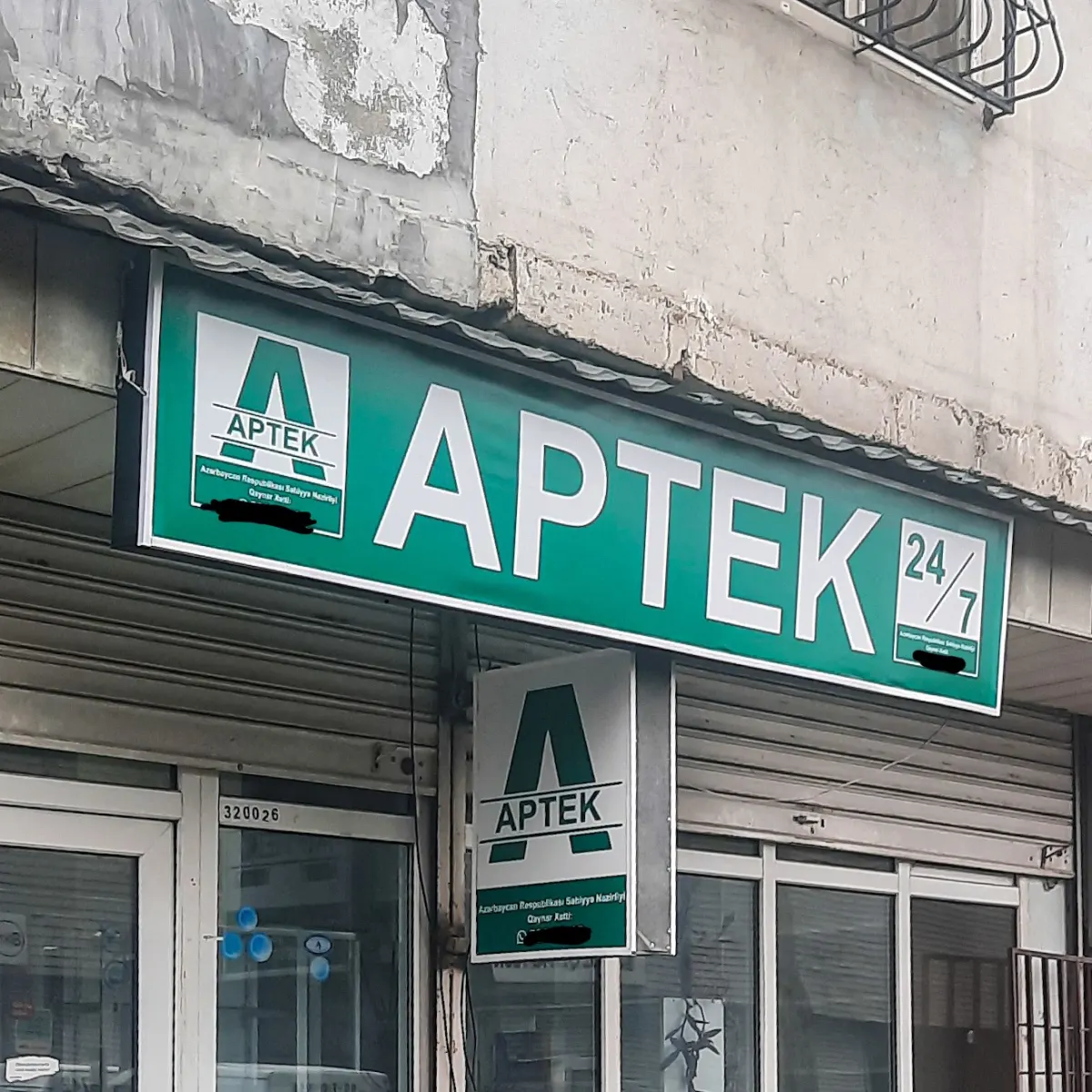
- Pharmacies (aptek) are everywhere in towns. Bring enough of your own medicine, in its original packaging with a copy of the prescription, as some kinds aren't sold here or are controlled.
- Take a first-aid kit to the mountains.
Animals and insects
- Rabies is common in animals. Don't touch stray dogs or cats. If you're bitten, scratched or licked on broken skin, wash it with soap and water for 15 minutes and get to a doctor the same day. Vaccine and immunoglobulin can be hard to find outside Baku.
- Ticks in grass and woods, from spring to autumn, can carry Crimean-Congo fever. Wear long sleeves and trousers, use repellent, and check your skin after walking. Sandflies and mosquitoes spread leishmaniasis and West Nile fever.
- Sheepdogs in the mountains are trained to see off wolves. Keep well clear of flocks, and wait for the shepherd.
- Vipers live on dry hillsides, including around Gobustan. Wear proper shoes and look where you put your hands.
Altitude
Khinalug is over 2,000 m, which most people don't notice. Walking higher, and skiing at the top of Shahdag or Tufandag, can bring on altitude sickness above about 2,500 m. Go up slowly, drink plenty, and come down if you have a headache and feel sick.
Water and food
- Drink bottled or boiled water, and don't have ice outside good hotels.
- Eat food that's cooked and hot. Wash or peel fruit. Be careful with homemade dairy and cheese.
- Wash your hands before eating: many meals are partly eaten with them.
Heat, sun and air
- Baku and the lowlands pass 35 °C in July and August. See places early, rest in the afternoon and carry water.
- Strong winds in Baku blow up dust, which can bother people with asthma. See Weather.
Swimming
The Caspian near Baku's port and oil fields is polluted. Swim at the beaches further out on the north side of the Absheron peninsula, and watch the currents: the sea drops away quickly in places and lifeguards are rare outside paid beaches.
Emergencies
Call 103 for an ambulance, or 112. In Baku a taxi to a private clinic is often quicker.

Comments
No comments yet.