
Culture and etiquette in Azerbaijan: mosques, hospitality, language, Novruz and sensitive subjects
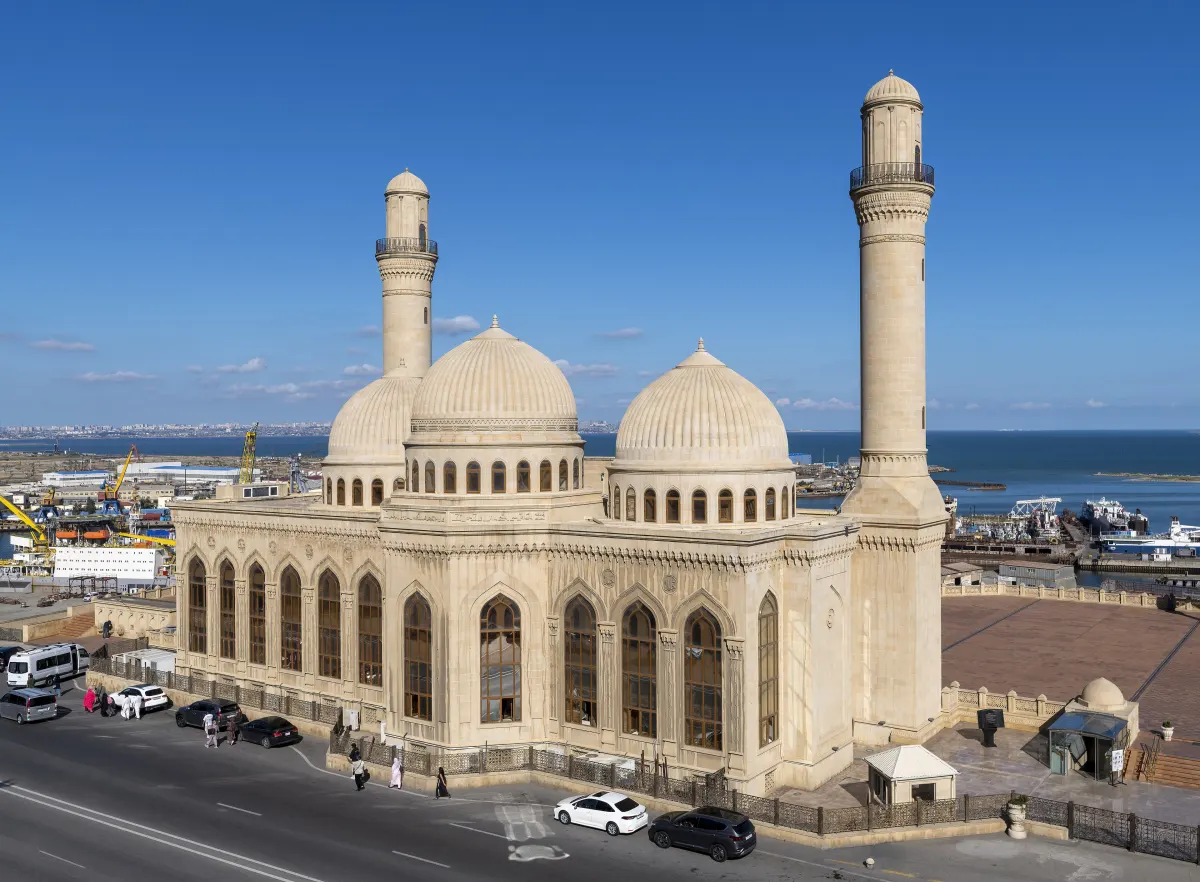
Azerbaijan is a Muslim country, mostly Shia, with a long secular tradition: religion is private, and Baku feels closer to Istanbul than to Tehran. Villages are more traditional. People are formal at first, and then extremely generous.
What to wear
- In Baku people dress smartly, and almost anything goes except beachwear away from the beach. Neat clothes win respect.
- Outside Baku, dress modestly. The UK government notes that shorts, on men too, can attract unwelcome attention outside the capital.
- Women don't need to cover their hair except in mosques.
Mosques and holy places
- Visitors are welcome in most mosques outside prayer times. Take off your shoes, and cover shoulders and legs. Women should cover their hair: a scarf or a robe is sometimes lent at the door.
- Ask before you take photographs inside, and don't walk in front of people who are praying.
- Men and women may have separate entrances or areas. Follow the signs.
- The Ateshgah fire temple near Baku and Yanar Dag show an older tradition of fire worship. The country also has old Jewish and Christian communities, including the Mountain Jews of Krasnaya Sloboda, by Quba.
- Trying to convert people to a religion isn't allowed.
Being a guest
- If you're invited home, bring sweets, fruit or flowers (an odd number). Don't bring alcohol unless you know your hosts drink.
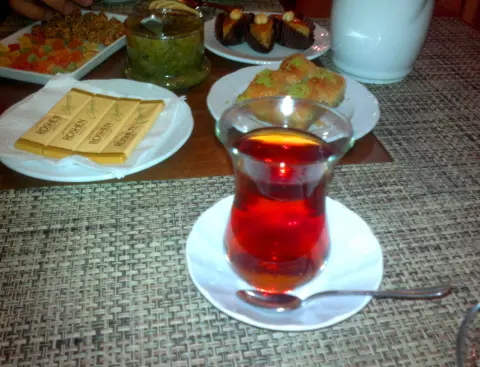
- Take off your shoes at the door. Accept at least a glass of tea. Refusing food once or twice is expected; say thank you and that you're full when you really are.
- Shake hands with men when you arrive and leave. Wait for a woman to offer her hand. Greet the oldest person first.
- Men who are friends may walk arm in arm or hold hands. Couples kissing in public isn't usual.
- Bread is respected: don't put it upside down or throw it away in front of people.
- Whoever invites, pays. Offer, and expect to lose the argument.
Holidays
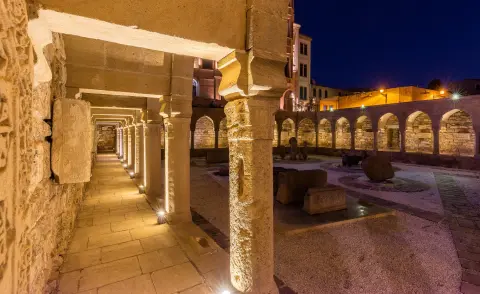
- Novruz, the spring new year, 20 to 24 March, is the biggest holiday. On the Tuesdays before it, people light bonfires and jump over them, dye eggs, grow wheat sprouts and bake pakhlava. The old city in Baku has concerts. Much is closed for the five days, and transport fills up.
- Ramadan moves each year, and in 2027 is expected from about 8 February. Two-day holidays mark its end and Qurban, the feast of sacrifice.
- 20 January is a day of mourning for people killed by Soviet troops in Baku in 1990, and 27 September remembers those killed in the 2020 war. Keep quiet and respectful, especially at Martyrs' Lane in Baku. Behaving badly there, or joking in photos, has got visitors into trouble with the police.
- 8 November (Victory Day) and 28 May (Independence Day) are public holidays, sometimes with parades that close streets.
Subjects to be careful with
- Armenia and Karabakh: the wars touched almost every family. Listen rather than argue, don't call towns by their Armenian names, and don't show off Armenian souvenirs or maps. See Safety.
- Politics: criticising the president and his family in public or online can be a crime.
- Same-sex relationships are legal, but there's strong prejudice, and LGBT travellers usually keep a low profile.
A few words
Azerbaijani is close to Turkish, and Turkish speakers will get by. Younger people in Baku often speak English, and older people Russian.
- Salam: hello
- Təşəkkür edirəm (te-shek-kur ed-ee-rem), or çox sağ ol: thank you
- Zəhmət olmasa: please
- Bəli / xeyr (yox, informally): yes / no
- Neçəyədir?: how much is it?
- Nuş olsun: enjoy your meal
- Sağ olun: goodbye, or thank you
The letter ə sounds like the a in "cat", x like the ch in "loch", c like j, and q like a hard g.
See also: Food and tea, Weather and when to go.


Comments
No comments yet.