
Safety in Taiwan: crime, scams, roads, strict laws and air-raid drills
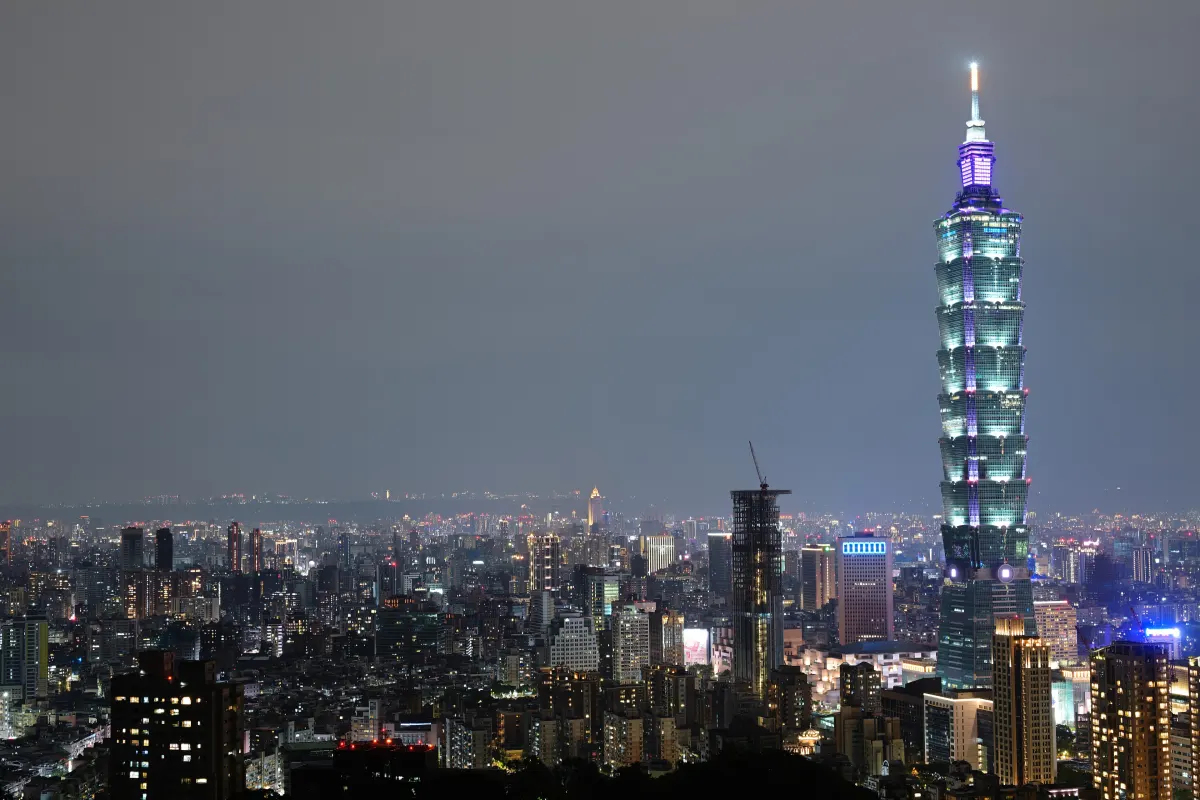
Taiwan is one of the safest countries in the world to travel in. Violent crime is rare, people walk home late at night without a second thought, and lost phones and wallets are often handed in. The main dangers are on the roads and in nature, along with earthquakes and typhoons.
Crime and scams
- Petty crime is uncommon, but keep an eye on your bag and phone in crowded night markets, festivals and trains, as you would anywhere.
- The commonest scams are online: fake websites charging for the free arrival card, fake hotel booking messages, and fraud calls and texts in Chinese. Taiwan has a lot of phone fraud, so never give card details to someone who calls or messages you.
- Bars are generally safe, but don't leave drinks unattended.
Roads and traffic
- Taiwan's roads are the biggest risk for visitors. Scooters swarm the cities, and cars and scooters often turn across crossings while pedestrians have the green man. Look both ways, even on a green light, and watch out for scooters on pavements and in lanes.
- If you rent a scooter, make sure you have the right licence and an International Driving Permit, wear a helmet, and avoid riding in Taipei until you're used to the traffic.
- Mountain roads are narrow and winding, and landslides close them after heavy rain and earthquakes.
Strict laws
- Drugs: penalties for possessing, using or trafficking illegal drugs are very severe, including long prison sentences and, for trafficking, the death penalty. This includes cannabis, and CBD products may contain enough THC to break the law.
- Vapes and e-cigarettes are banned. Don't bring them into Taiwan and don't buy them there: you can be heavily fined. Vapes laced with the anaesthetic etomidate have become a serious problem, and the government keeps tightening the law.
- Smoking is banned in most indoor public places and on many streets, with fines for smoking where it isn't allowed. Look for the designated smoking areas.
- Drones are banned or need permission in many places, including near airports, government buildings, and in many national parks.
- Carry your passport or a copy of it: the police can ask for ID.
Beaches, rivers and mountains
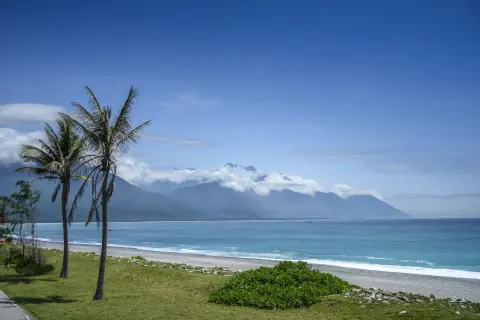
- Many beaches have strong currents and big waves, especially on the east coast and when a typhoon is passing far offshore. Swim only where there are lifeguards, and stay out of the sea in rough weather.
- Rivers rise very fast after rain in the mountains. Don't camp or picnic on riverbeds.
- In the mountains, falling rocks, landslides and fast-changing weather are real dangers, and some trails need permits. See Hiking.
- Venomous snakes and hornets live in the hills: stay on paths, and back away slowly from hornets.
Tensions with China and air-raid drills
- The People's Republic of China claims Taiwan and regularly holds military exercises around it. Daily life in Taiwan carries on normally, but tensions can rise quickly. Check your government's travel advice before and during your trip, sign up for its alerts, and make sure your travel insurance covers you.
- Taiwan holds air-raid drills once a year, usually in summer, as part of its civil defence exercises. When the sirens sound and your phone gets an alert, everyone outdoors has to go inside, and traffic stops for about half an hour. Follow the police and staff, who'll show you where to go.
Emergencies
- 110: police. 119: fire and ambulance. From a mobile, 112 also works.
- The 24-hour tourist information hotline, 0800-011-765, free from Taiwanese phones, answers questions in English, Japanese, Korean and Chinese, and can help in an emergency.
- Most countries have a representative office in Taipei, which works like an embassy. Keep its number with you.
See also: Health and Earthquakes and typhoons.



Comments
No comments yet.