
Culture and etiquette in Taiwan: manners, rubbish, the MRT and Taiwan's peoples
Taiwanese people are famously friendly and helpful, and the country is easy for visitors. Few things will cause offence, but knowing a few customs helps, especially on the MRT and when it comes to rubbish.
Language
- The main language is Mandarin Chinese, written in traditional characters, not the simplified ones used in mainland China. Many people also speak Taiwanese Hokkien, and some Hakka or an indigenous language.
- Younger people in the cities often speak some English, and signs on transport are in English, but less so in the countryside. A translation app helps. See Phones and apps.
- "Hello" is nǐ hǎo, and "thank you" is xièxie.
Everyday manners
- Queue: Taiwanese people queue patiently, for buses, trains, lifts and popular food stalls.
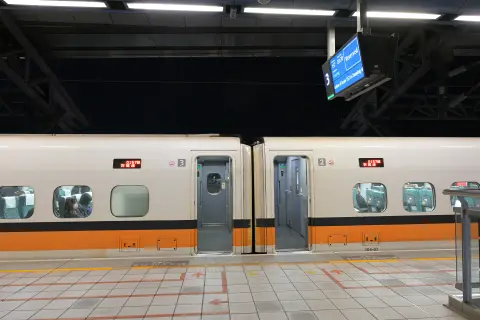
- On the MRT, don't eat or drink past the gates, give up priority seats, and stand on the right of escalators in Taipei so people can walk past on the left.
- Keep your voice down on public transport and in quiet places.
- Give and receive business cards, gifts and money with both hands.
- Don't stick your chopsticks upright in a bowl of rice, which is how food is offered to the dead.
- Take your shoes off when you go into someone's home, and in some guesthouses, temples' inner rooms and traditional restaurants: you'll see shoes at the door.
- Avoid giving clocks, or anything in fours, as gifts: they're linked with death. Many buildings have no fourth floor.
- Smoking is banned in most indoor public places, and on many streets and in parks, with fines.
Rubbish and recycling
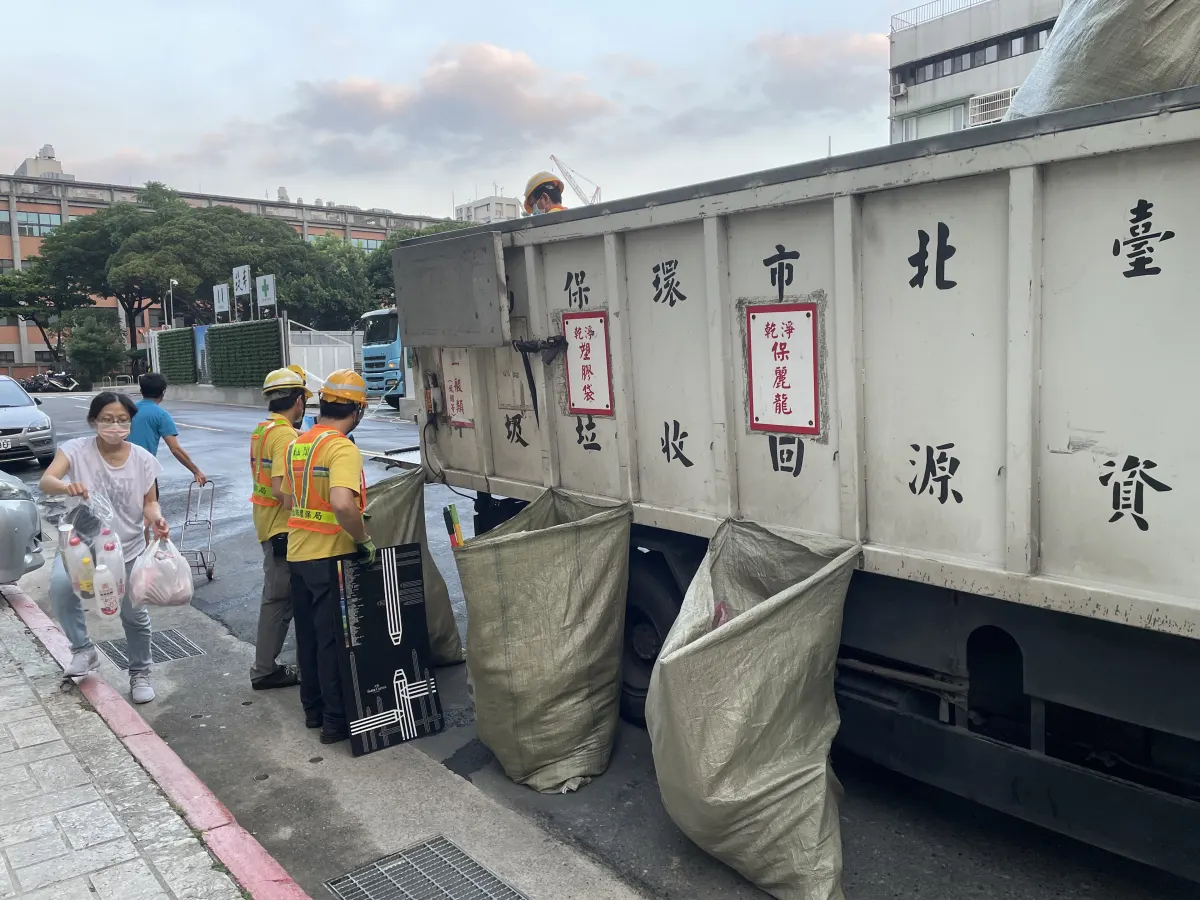
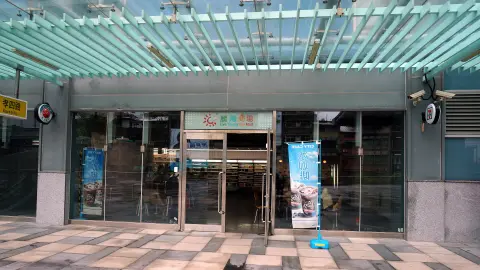
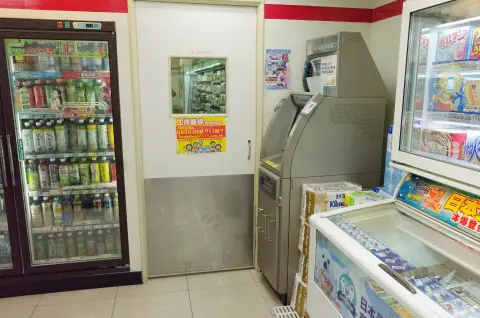
- There are very few public bins in Taiwan. Carry your rubbish with you, and throw it away in your hotel, a convenience store or a station.
- Rubbish is sorted: general waste, recycling (plastic, paper, cans) and often food waste. Look at the labels, or the pictures, on bins.
- Locals take their rubbish out to the garbage trucks, which drive round at set times each evening playing music (often Beethoven's Für Elise). If you're renting an apartment, your host will explain how it works.
Politics and history
- Taiwan is a lively democracy, with its own government, army, money and passports, but its international status is disputed: the People's Republic of China claims it. Most Taiwanese people see themselves as Taiwanese, and calling Taiwan part of China, or Taiwanese people Chinese, can upset people. Be thoughtful when the subject comes up, and follow your hosts' lead.
- The 228 Peace Memorial Park and the National Human Rights Museum tell the story of the decades of martial law, which ended only in 1987.
Indigenous peoples
Taiwan's indigenous peoples, the Austronesian peoples who lived here long before Chinese settlers arrived, make up about 2.5% of the population, in 16 officially recognised groups, many of them in the mountains and on the east coast. Learn about them at the Shung Ye Museum of Formosan Aborigines and the National Museum of Prehistory, eat indigenous food in Hualien and Taitung, and visit Orchid Island, home of the Tao people. Ask before photographing people, and respect signs at villages and festivals that are closed to visitors.
Holidays
- The Lunar New Year (in January or February) is the biggest holiday of the year. Trains and buses are full for days, many restaurants and shops close, and prices go up. Book transport and hotels well ahead, or avoid travelling then.
- Other long weekends, such as Tomb Sweeping Day in early April, the Dragon Boat Festival in May or June, and the Mid-Autumn Festival in September or October, are also busy.
- See Temples for festivals and Weather and when to go.

Comments
No comments yet.