Buildings
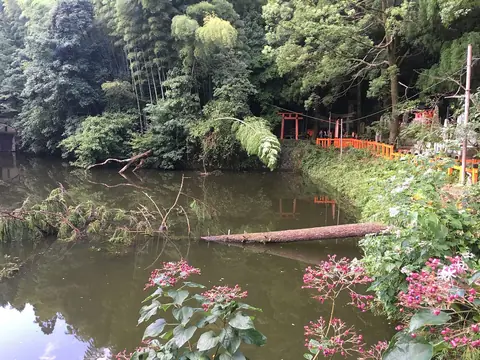
Fushimi Inari Taisha, Kyoto
Kyoto, Kyōto
The head shrine of Inari, the god of rice and business, famous for its thousands of bright vermilion torii gates, donated by businesses, which form t…
The head shrine of Inari, the god of rice and business, famous for its thousands of bright vermilion torii gates, donated by businesses, which form t…
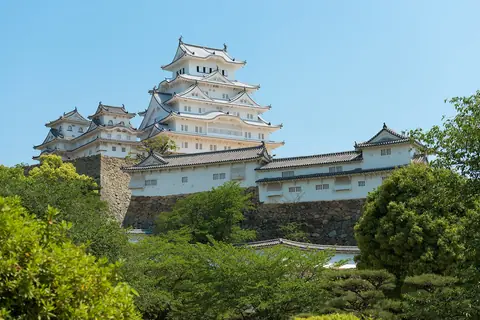
The finest surviving feudal castle in Japan, called the 'White Heron' for its brilliant white walls and roofs, a UNESCO World Heritage Site.
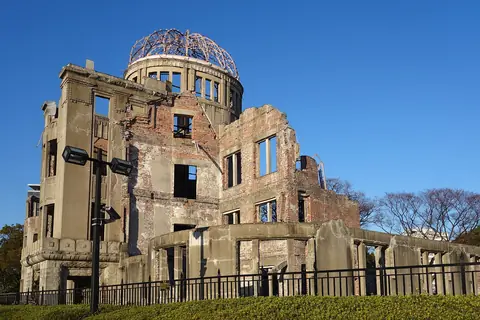
A park built near the hypocentre of the atomic bomb dropped on 6 August 1945.
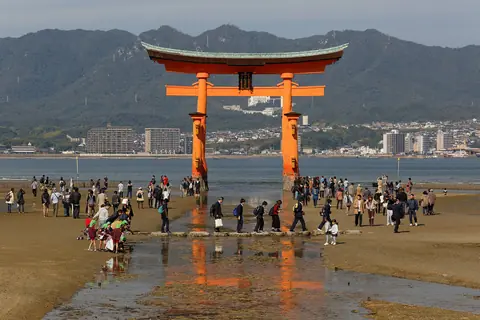
A Shinto shrine on the island of Miyajima, built over the water, with a huge vermilion torii gate that seems to float at high tide.
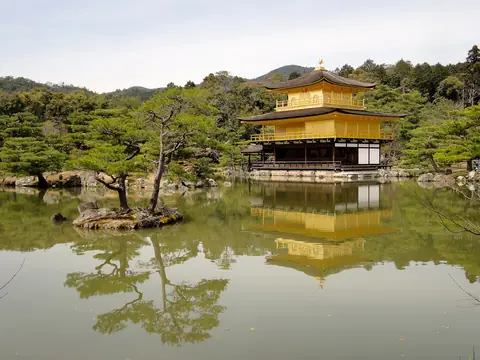
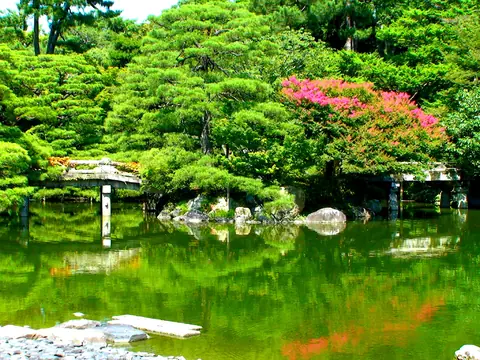
A Zen temple whose top two floors are covered in gold leaf, reflected in a pond surrounded by pine trees and gardens.
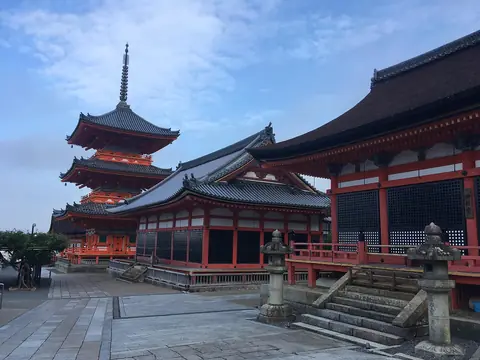
A Buddhist temple on a wooded hillside in eastern Kyoto, famous for its wooden stage, built without nails, jutting out over the valley, with views ov…
A mountaintop monastery town founded in 816 by the monk Kūkai, with more than 100 temples, many offering shukubō (temple lodging), where you eat vege…
Ancient pilgrimage trails through the forested mountains of the Kii Peninsula, linking three grand shrines, a UNESCO World Heritage Site.
Japan's highest and most sacred mountain, a near-perfect volcanic cone 3,776 m high, a UNESCO World Heritage Site.
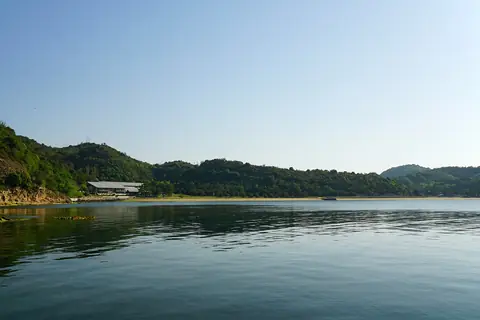
A small island in the Seto Inland Sea transformed into a home of contemporary art.
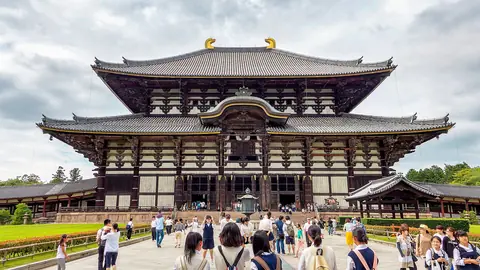
Japan's first permanent capital, where more than 1,000 tame sika deer roam the park; buy deer crackers and they will bow to you.
The Kyoto residence of the Tokugawa shoguns, who ruled Japan from 1603 to 1867.
The lavishly decorated shrine and mausoleum of Tokugawa Ieyasu, founder of the Tokugawa shogunate, in a cedar forest in the mountains north of Tokyo,…
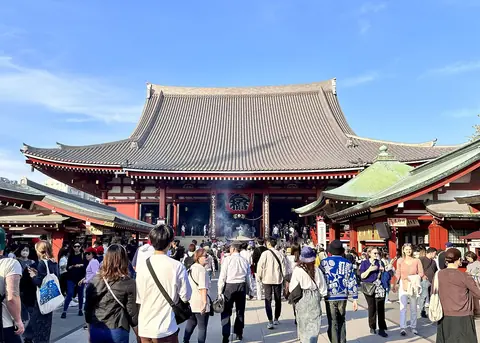
Tokyo's oldest temple, founded in 628, entered through the Kaminarimon gate with its giant red lantern.
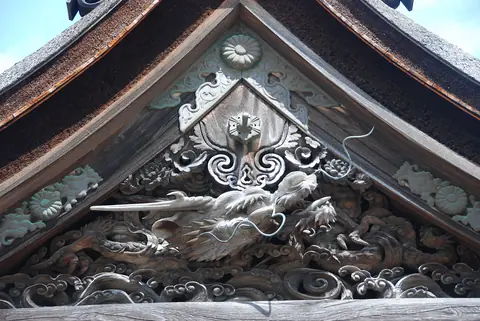
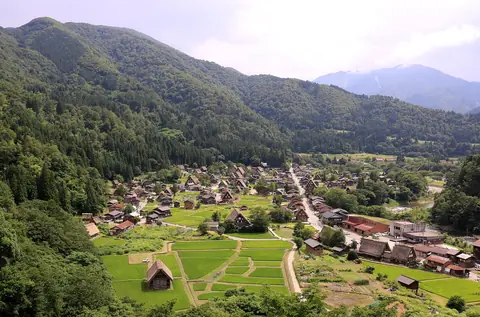
A mountain village of gasshō-zukuri farmhouses, with steep thatched roofs like hands joined in prayer, built to shed heavy snow, a UNESCO World Herit…
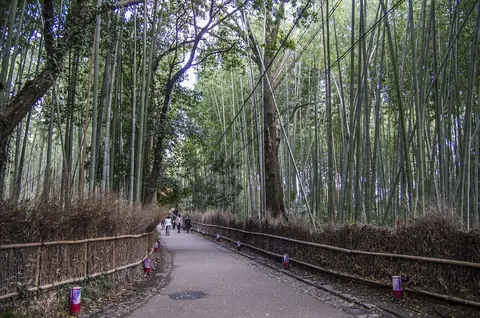
A path through towering green bamboo in western Kyoto, which creaks and rustles in the wind.
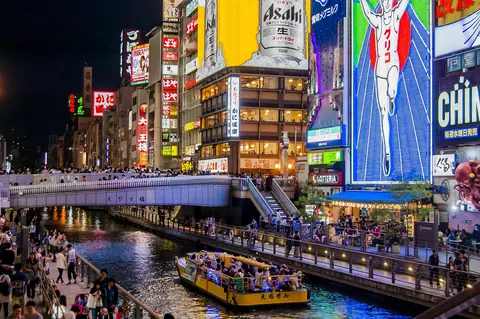
Osaka's lively entertainment street along a canal, famous for giant neon signs, including the Glico running man, and for street food: takoyaki (octop…
A hot-spring resort in the mountains near Mount Fuji, ideal for staying in a ryokan (traditional inn) and bathing in an onsen.
A valley in the mountains of Nagano where wild Japanese macaques bathe in a hot spring to keep warm, especially in winter, when snow covers their fur.
One of Japan's three great gardens, created by the lords of Kanazawa over two centuries, with ponds, streams, tea houses and a two-legged stone lante…
The palace where Japan's emperors lived until the capital moved to Tokyo in 1868.
One of Japan's few original castles, called the 'Crow Castle' for its black walls, with its keep standing above a moat, with the Japan Alps behind.
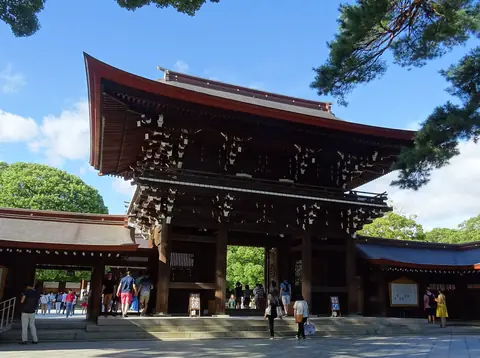
A Shinto shrine dedicated to Emperor Meiji and Empress Shōken, set in a forest of 100,000 trees in the middle of Tokyo, entered through huge wooden t…
Every February, Sapporo, the capital of Hokkaido, hosts one of the world's great winter festivals, with huge snow and ice sculptures in Odori Park an…
A remote peninsula on the north-east tip of Hokkaido, a UNESCO World Heritage Site, with brown bears, deer and sea eagles.
The palace of the Ryūkyū kings, who ruled Okinawa as an independent kingdom until 1879, a red-lacquered castle on a hill above Naha, a UNESCO World H…
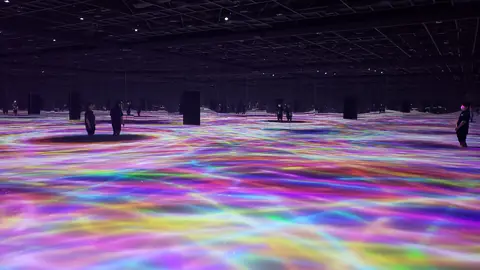
An immersive digital art museum where you walk barefoot through rooms of light, water and mirrors, including a room of floating orchids and a pool wh…
The Niseko Company rents out more than 30 private chalets, houses and villas in Hirafu, the main village at Niseko United, Japan's best-known powder …
The busy market streets left behind when Tokyo's wholesale fish market moved to Toyosu, packed with stalls selling fresh sushi, grilled seafood, tama…
A mountainous island south of Kyushu covered in ancient cedar forest, a UNESCO World Heritage Site.