Historic sites
Himeji Castle
Himeji, Hyōgo
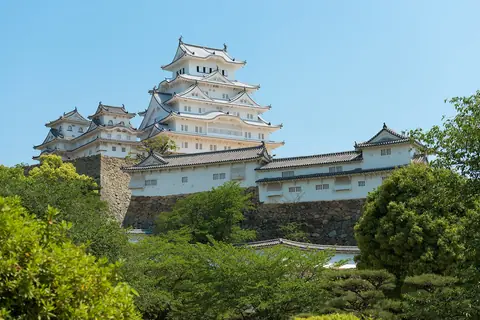
The finest surviving feudal castle in Japan, called the 'White Heron' for its brilliant white walls and roofs, a UNESCO World Heritage Site.
The finest surviving feudal castle in Japan, called the 'White Heron' for its brilliant white walls and roofs, a UNESCO World Heritage Site.
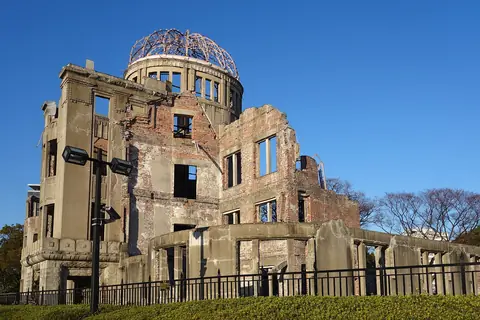
A park built near the hypocentre of the atomic bomb dropped on 6 August 1945.
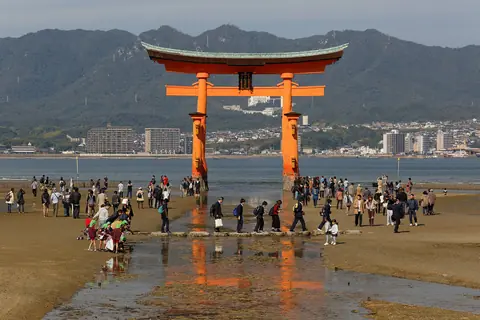
A Shinto shrine on the island of Miyajima, built over the water, with a huge vermilion torii gate that seems to float at high tide.
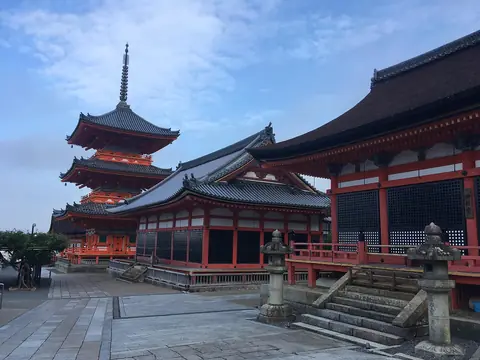
A Buddhist temple on a wooded hillside in eastern Kyoto, famous for its wooden stage, built without nails, jutting out over the valley, with views ov…
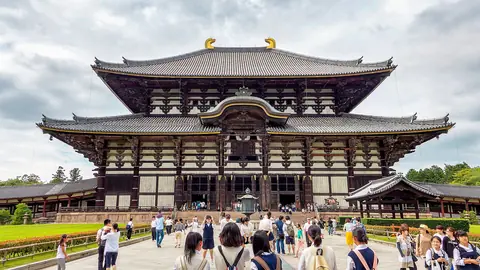
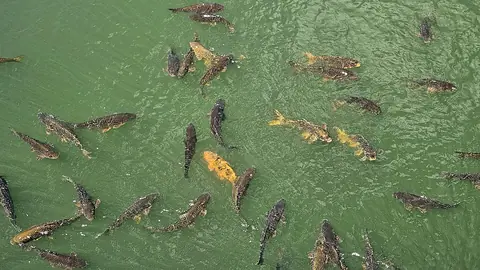
Japan's first permanent capital, where more than 1,000 tame sika deer roam the park; buy deer crackers and they will bow to you.
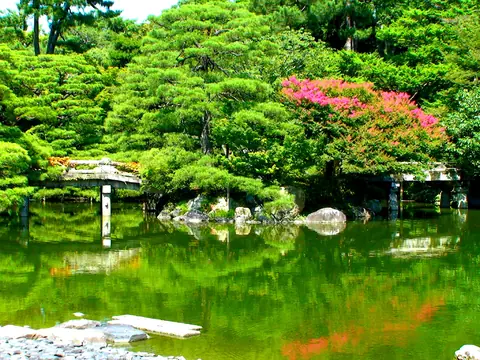
The Kyoto residence of the Tokugawa shoguns, who ruled Japan from 1603 to 1867.
The lavishly decorated shrine and mausoleum of Tokugawa Ieyasu, founder of the Tokugawa shogunate, in a cedar forest in the mountains north of Tokyo,…
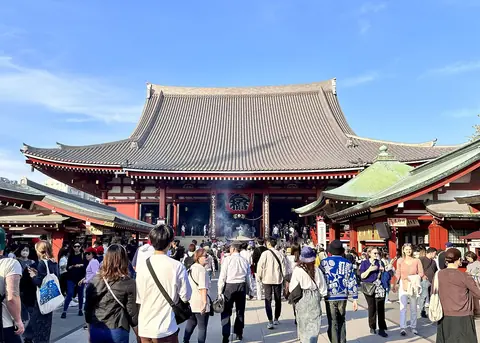
Tokyo's oldest temple, founded in 628, entered through the Kaminarimon gate with its giant red lantern.
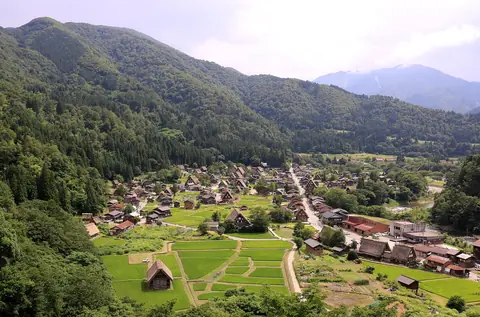
A mountain village of gasshō-zukuri farmhouses, with steep thatched roofs like hands joined in prayer, built to shed heavy snow, a UNESCO World Herit…
The palace where Japan's emperors lived until the capital moved to Tokyo in 1868.
One of Japan's few original castles, called the 'Crow Castle' for its black walls, with its keep standing above a moat, with the Japan Alps behind.
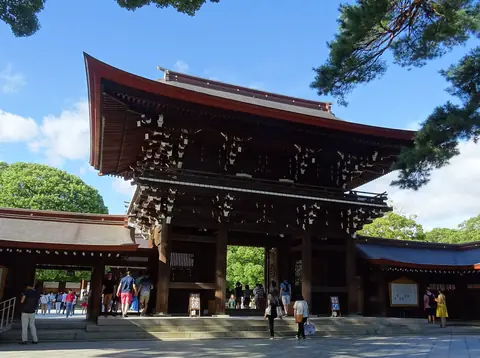
A Shinto shrine dedicated to Emperor Meiji and Empress Shōken, set in a forest of 100,000 trees in the middle of Tokyo, entered through huge wooden t…
The palace of the Ryūkyū kings, who ruled Okinawa as an independent kingdom until 1879, a red-lacquered castle on a hill above Naha, a UNESCO World H…