Buildings

Eiffel Tower, Paris

France Paris Paris

Eiffel Tower, Paris
Photo: Benh LIEU SONG, Public domain, via Wikimedia Commons

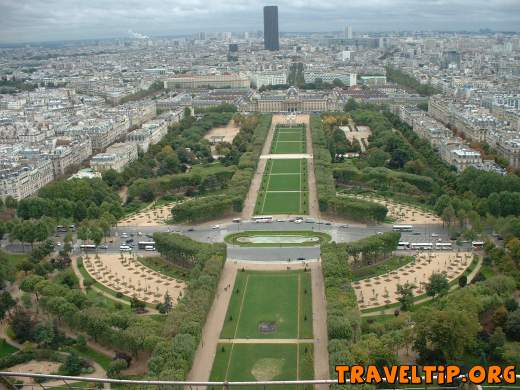
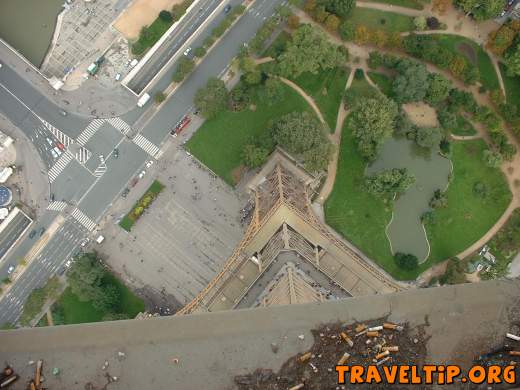
Built for the 1889 World's Fair, the 330 m tower has three levels open to visitors. You can take the lift all the way to the top, or climb the 674 steps to the second floor and take a lift from there. The views over Paris are best around sunset, and after dark the tower sparkles with thousands of lights for five minutes at the start of every hour.


Book timed tickets online on the official site well ahead, especially in summer, as the queues for tickets on the day can be very long. There are bag checks at the entrance. Food and souvenirs get more expensive the higher you go. There's a brasserie on the first floor and the Michelin-starred Le Jules Verne on the second.


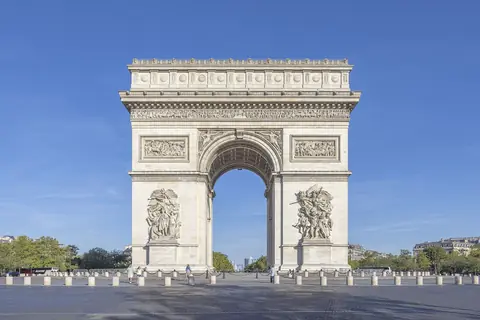
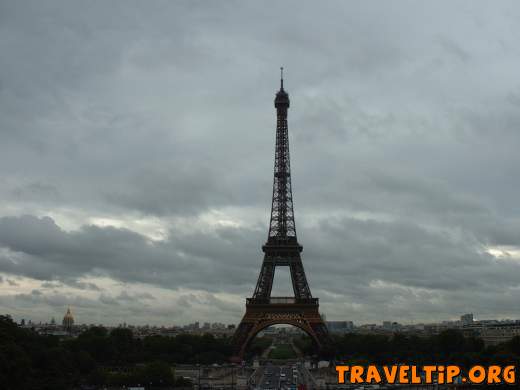
Ignore anyone selling souvenirs or running petitions and street games around the base. For the classic photo, go to the Trocadéro across the river. For a view of Paris that includes the tower, climb the Arc de Triomphe, or go up to Sacré-Cœur in Montmartre, which is free.

Photos
Eiffel Tower, Paris
Eiffel Tower, Paris
Eiffel Tower, Paris

Comments

No comments yet.

More tips nearby

All tips for France
Historic sites

Hôtel de la Marine, Paris

Paris

An 18th-century palace on the Place de la Concorde, built to store the royal furniture and later the headquarters of the French Navy for over 200 yea…

Attractions

Musée d'Orsay, Paris

Paris

A former railway station on the Left Bank of the Seine, now home to the world's greatest collection of Impressionist and Post-Impressionist art: Mone…

Historic sites

Palais-Royal gardens

Paris

The palace built for Cardinal Richelieu, with a peaceful garden of lime trees and fountains framed by arcades of old shops and cafés, just north of t…

Attractions

Louvre Museum, Paris

Paris

The world's most visited museum, in the former royal palace on the Seine, entered through I.

Attractions

Musée Gustave Moreau, Paris

Paris

The house and studio of the Symbolist painter Gustave Moreau, which he designed as his own museum before he died in 1898.