Natural features

Little Desert National Park
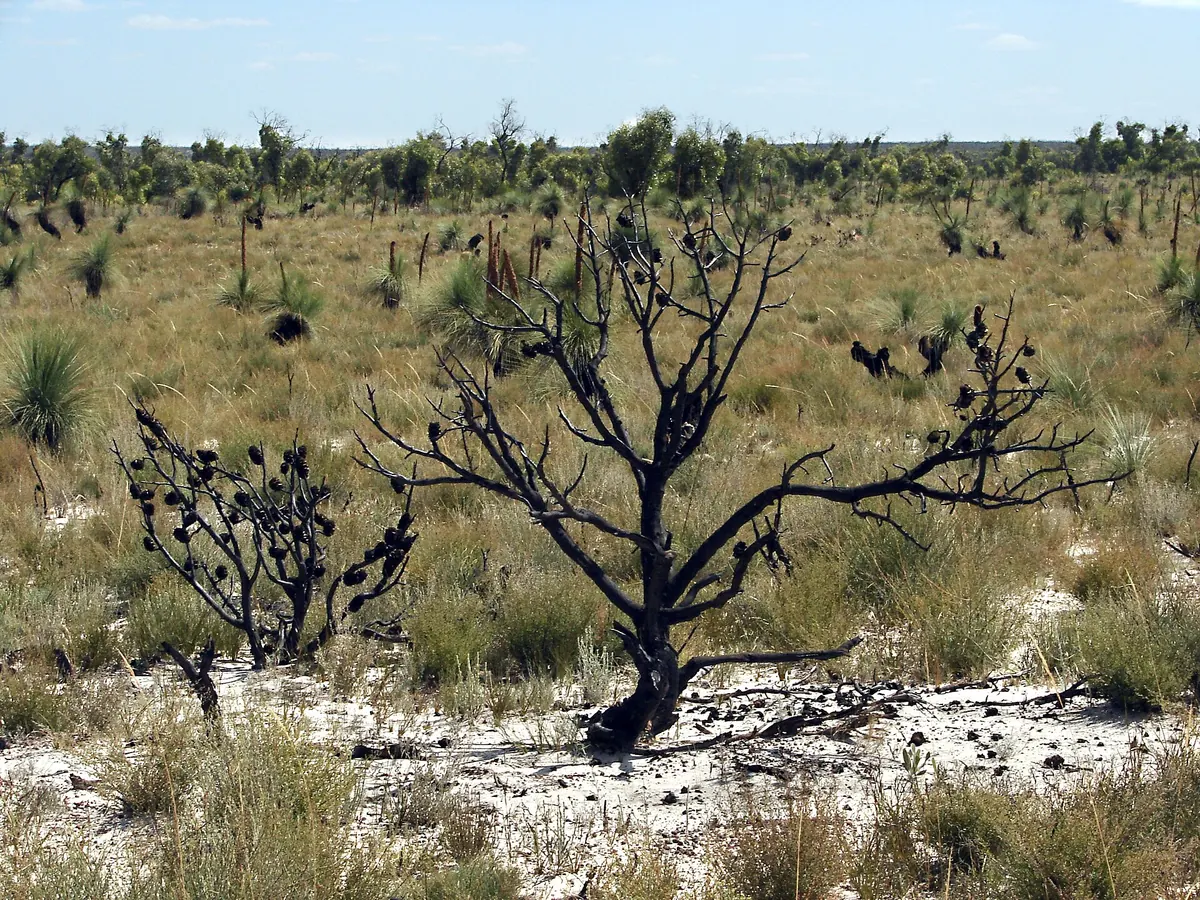
Little Desert National Park
Photo: Mussklprozz, CC BY-SA 3.0, via Wikimedia Commons

A park in the Wimmera of western Victoria that, despite its name, is not really a desert but a sandy heathland and woodland, full of wildflowers and orchids in spring.


Short walks lead from the campgrounds at Kiata and Horseshoe Bend, on the Wimmera River near Dimboola. The park is home to the malleefowl, a ground-dwelling bird that builds huge mounds of sand and leaves to incubate its eggs; the Little Desert Nature Lodge, near Nhill, runs tours to see them. Kangaroos, emus and many birds are common, and the heath flowers best from August to October.


The park is about 4.5 hours' drive from Melbourne, on the way to Adelaide. Some tracks need a four-wheel drive. Combine it with the Grampians, about an hour away.
Comments

No comments yet.

More tips nearby

All tips for Australia
Natural features

Naracoorte Caves

Naracoorte, South Australia

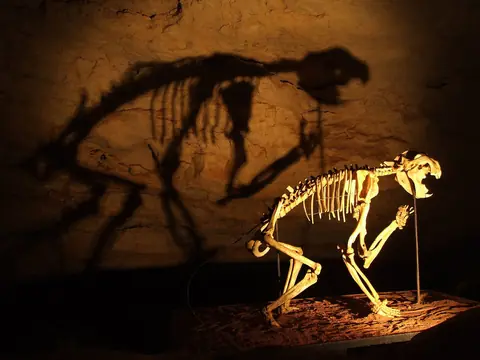
A group of limestone caves in the south-east of South Australia that hold one of the world's richest records of fossil mammals from the last 500,000 …

Tours and activities

Mount Arapiles (Dyurrite)

Horsham, Victoria

A long, low outcrop of hard sandstone rising from the flat Wimmera plain, one of the best rock-climbing areas in the world, with thousands of routes …

Walks and treks

Grampians National Park

Victoria

Sandstone ranges in western Victoria with waterfalls, Aboriginal rock art and plenty of kangaroos.

Attractions

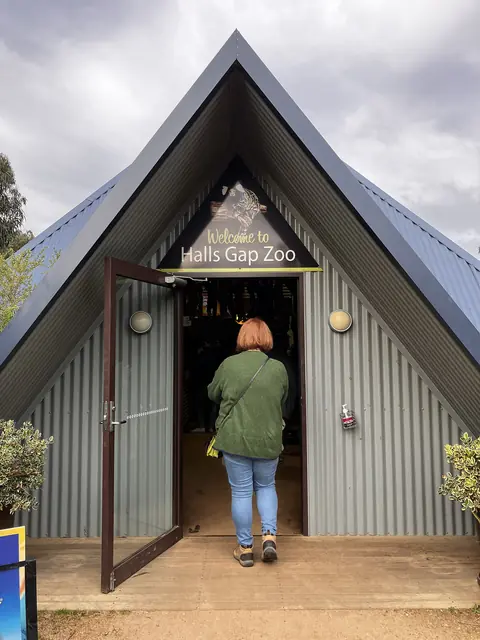
Halls Gap Zoo

Stawell, Victoria

A regional zoo at the foot of the Grampians, near Halls Gap, with Australian and exotic animals in a beautiful bush setting with views of the mountai…

Natural features

Engelbrecht Cave, Mount Gambier

Mount Gambier, South Australia

A limestone cave that runs right under the streets of Mount Gambier, with clear underground lakes that cave divers explore.

Natural features

Umpherston Sinkhole, Mount Gambier

Mount Gambier, South Australia

A collapsed limestone cave in the middle of Mount Gambier that was turned into a sunken garden in the 1880s by James Umpherston.