Pide (Turkish pizza)

Pide (Turkish pizza)
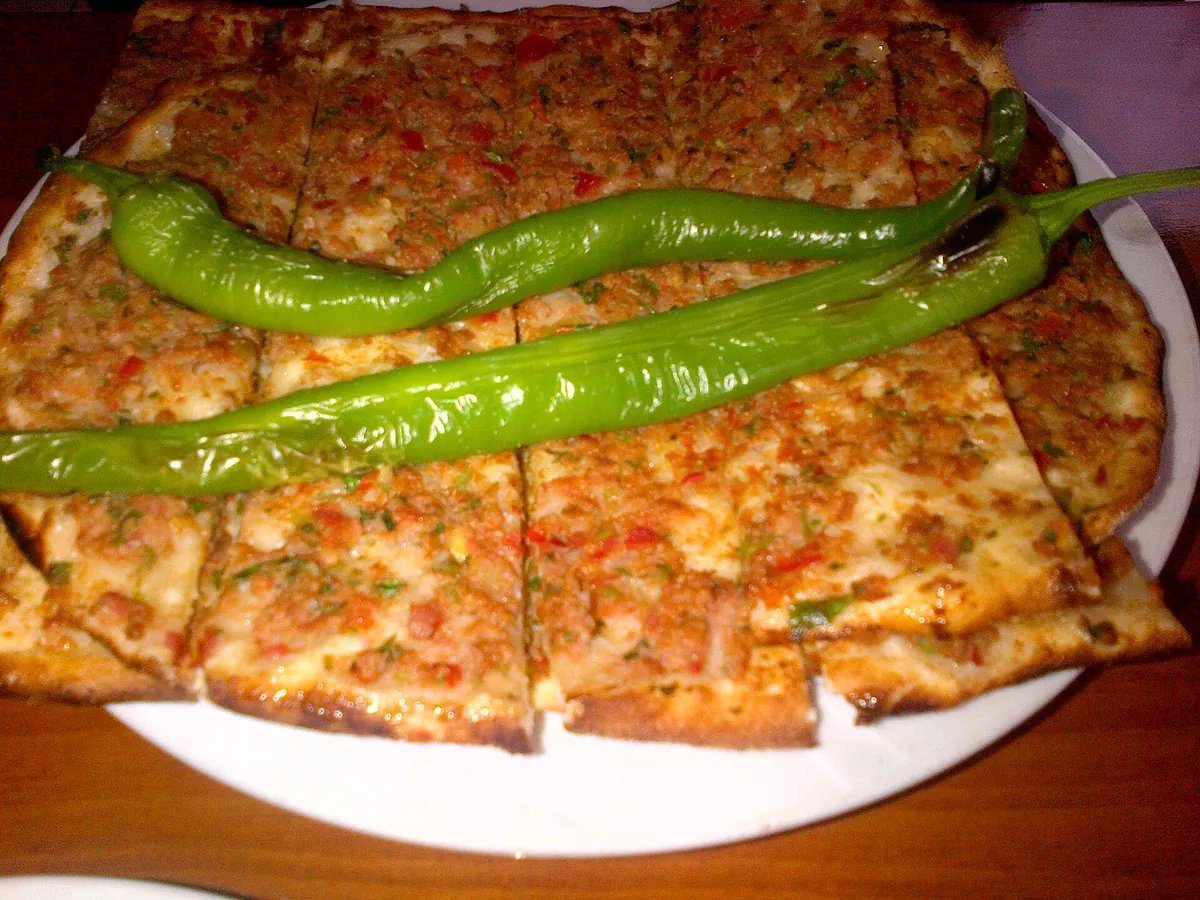
Photo: E4024, CC BY-SA 4.0, via Wikimedia Commons

A long, boat-shaped flatbread with its edges folded over the topping, baked in a wood-fired oven, then cut into strips and brushed with butter. Visitors call it Turkish pizza, but it's lighter and simpler.

Popular toppings are kıymalı (spiced minced meat with onion and tomato), kaşarlı (melted cheese), sucuklu (spicy sausage) and kuşbaşılı (small cubes of lamb or beef). Many come with an egg cracked on top as they finish baking.

It's best at a pide salonu, where you can watch it made, and eaten straight from the oven with ayran (a salty yoghurt drink) and pickles. The Black Sea coast is famous for it, especially Trabzon, with its egg and butter pides, and Bafra near Samsun, with long, thin ones.

Lahmacun is its thinner, crisper cousin. Ramazan pidesi, sold during Ramadan, is a round, flat bread topped with sesame and nigella seeds, not this.

Comments

No comments yet.

More tips nearby

All tips for Turkey
Historic sites

Sumela Monastery

Maçka, Trabzon

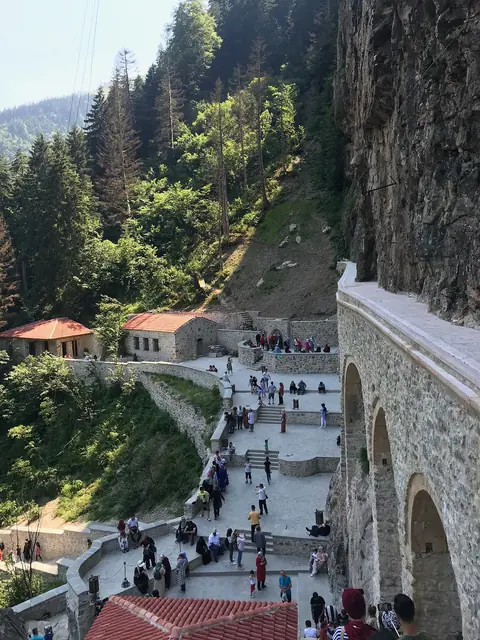
A Greek Orthodox monastery clinging to a cliff face 1,200 m up in a forested valley near Trabzon, founded in the 4th century, with frescoes in the ro…

Food and drink

Turkish tea (çay)

Rize

Strong black tea served in small tulip-shaped glasses, drunk all day: at breakfast, in shops while you browse, and at tea gardens.

Walks and treks

Kaçkar Mountains and Ayder

Rize

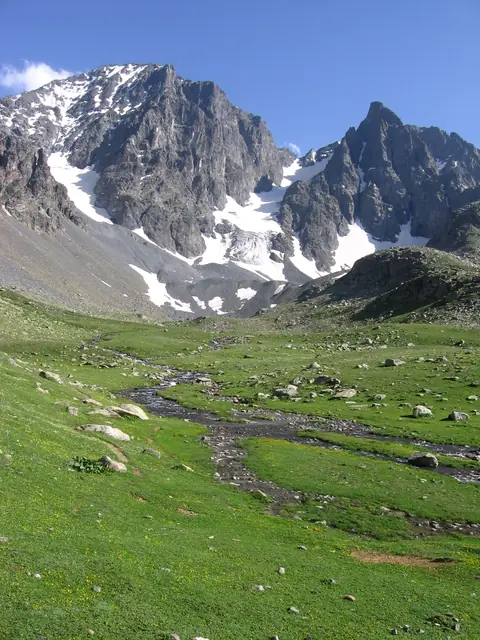
High, green mountains rising behind the Black Sea coast, with alpine lakes, glaciers and summer pastures (yayla) where shepherds bring their flocks.

Food and drink

CaÄŸ kebab, Erzurum

Erzurum

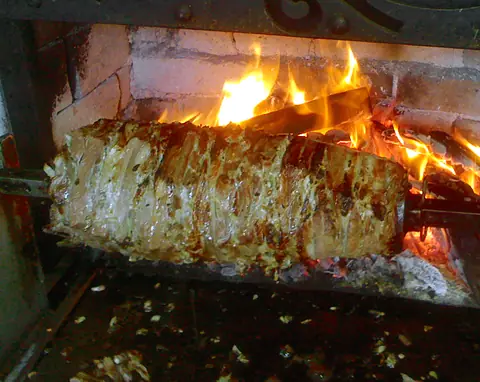
The kebab of Erzurum, in eastern Turkey: marinated lamb stacked on a horizontal spit and turned slowly beside a wood fire.

Historic sites

Ani ruins

Digor, Kars

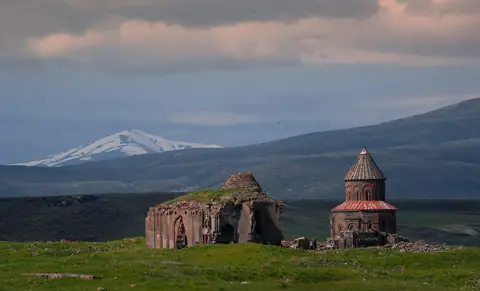
The ruined medieval Armenian capital on the closed border with Armenia, once a city of 100,000 people, with the remains of churches, a cathedral and …

Historic sites

Mount Nemrut

Kâhta, Adıyaman

A mountain top at 2,134 m where King Antiochus of Commagene built a tomb mound in the 1st century BC, with huge stone heads of gods and kings now sca…