Historic sites

Nagasaki Atomic Bomb Museum and Peace Park
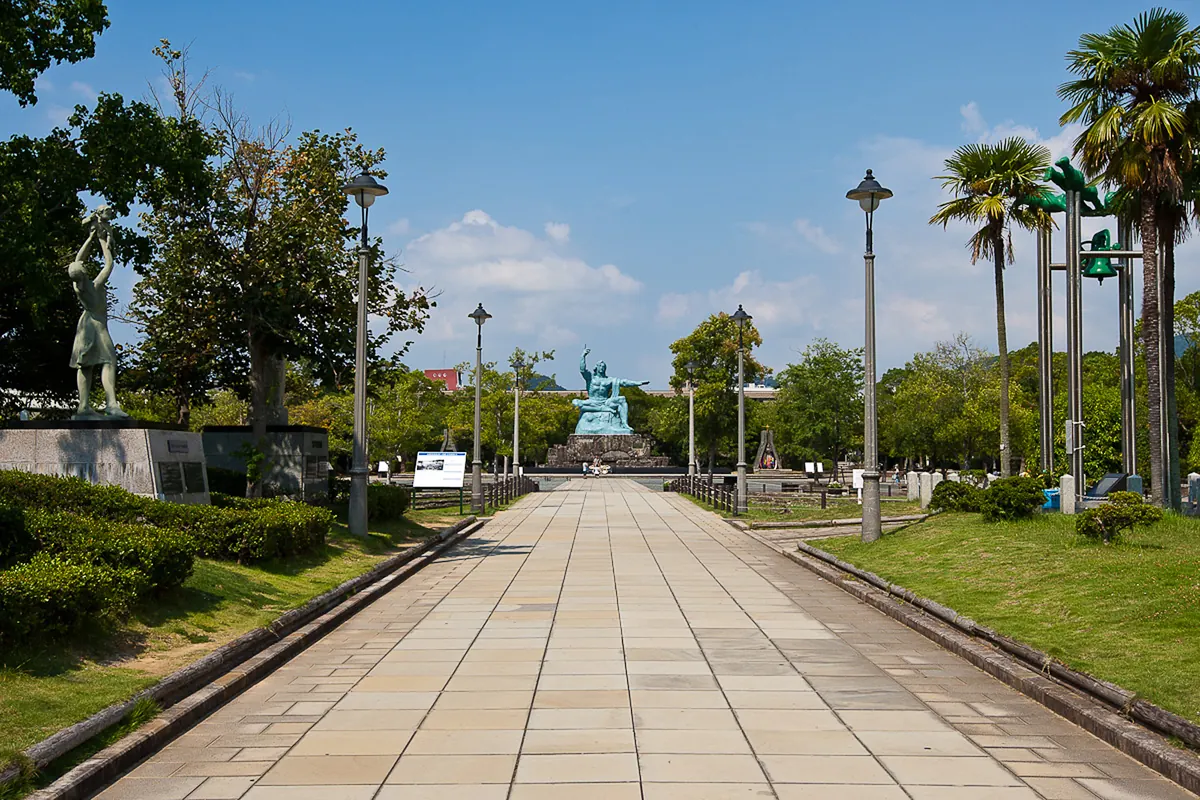
Nagasaki Atomic Bomb Museum and Peace Park
Photo: jimmyweee, CC BY 2.0, via Wikimedia Commons

On 9 August 1945, an atomic bomb exploded over the Urakami district of Nagasaki, killing about 74,000 people by the end of that year. The museum tells the story through photographs, objects melted by the heat, and survivors' accounts, and covers the history of nuclear weapons since.


Nearby, the Hypocentre Park marks the point below the explosion, and the Peace Park has the large Peace Statue, its right hand pointing to the sky. The ruins of Urakami Cathedral, then the largest church in East Asia, were rebuilt; part of the old wall stands in the park.


It's a moving visit. Nagasaki's Glover Garden and Dejima tell other parts of the city's long international history.

Comments

No comments yet.

More tips nearby

All tips for Japan
Food and drink

Nagasaki champon and castella

Nagasaki

Nagasaki was Japan's only window to the outside world for over 200 years, and its food shows it.

Food and drink

Basashi and Kumamoto food

Kumamoto

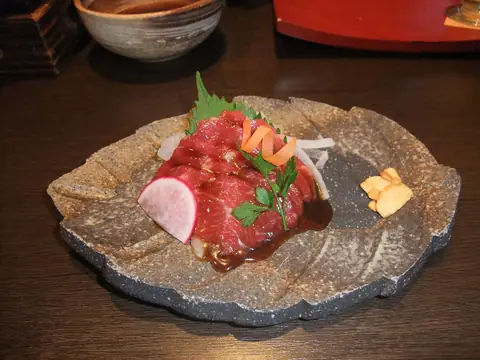
Kumamoto, in the middle of Kyushu, is known for basashi: thin slices of raw horse meat, served chilled with grated ginger, garlic and a sweet local s…

Food and drink

Hakata ramen and yatai stalls

Fukuoka

Fukuoka's Hakata ramen is made with tonkotsu, a creamy, milky broth of pork bones boiled for many hours, with thin, straight noodles, slices of pork,…

Natural features

Mount Aso, Kumamoto

Aso, Kumamoto

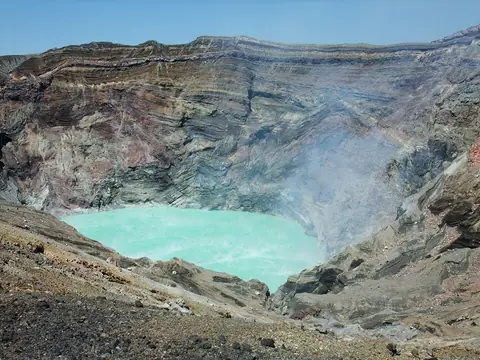
One of the world's largest volcanic calderas, about 25 km across, with towns, rice fields and grasslands inside it, in the centre of Kyushu.

Natural features

Takachiho Gorge, Miyazaki

Takachiho, Miyazaki

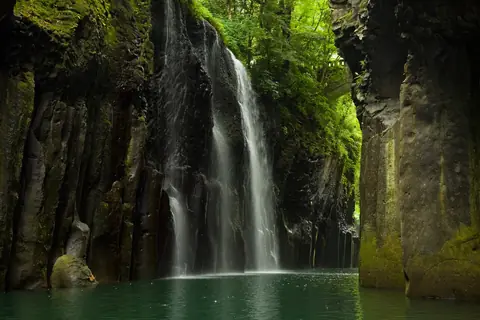
A narrow gorge of basalt columns cut by the Gokase River, with the 17 m Manai Falls dropping straight into the green water.