Historic sites

Palcho Monastery and Kumbum, Gyantse
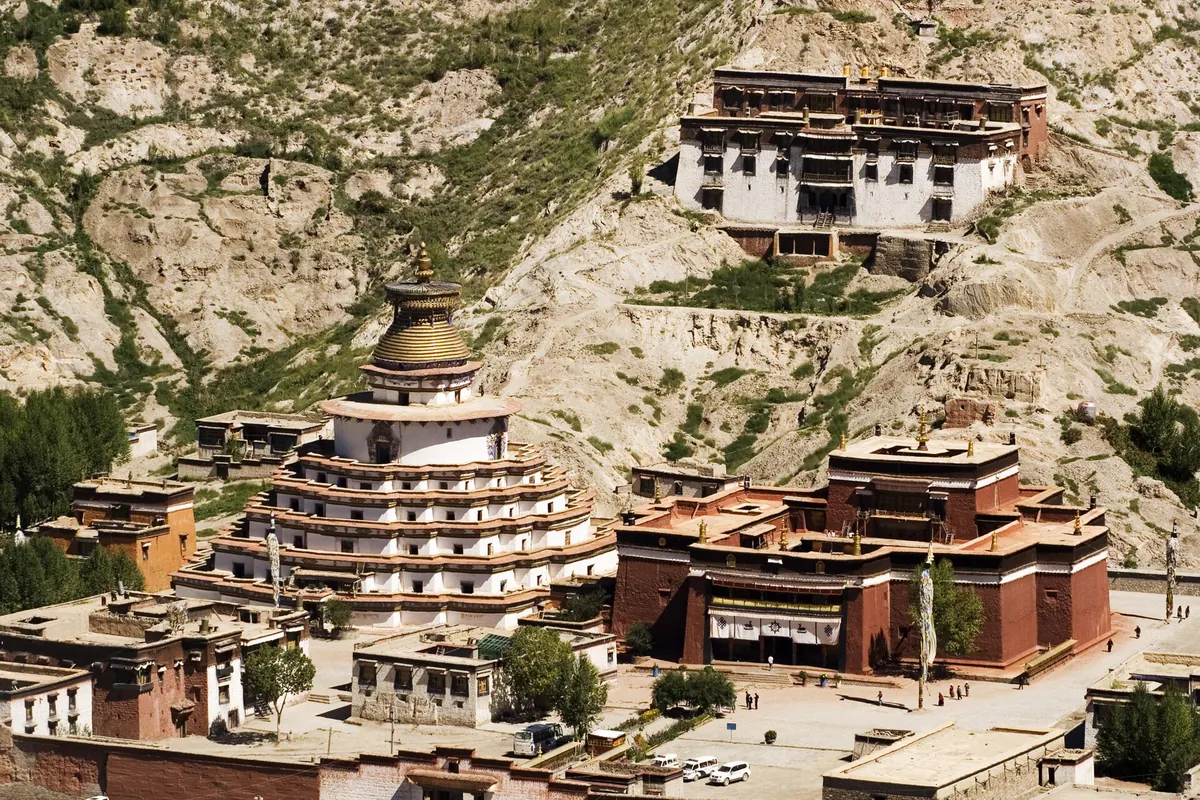
China Tibet Gyangzê

Palcho Monastery and Kumbum, Gyantse
Photo: Luca Galuzzi (Lucag), CC BY-SA 2.5, via Wikimedia Commons

A monastery in the old town of Gyantse, built in the early 15th century, famous for its Kumbum, a giant stupa of nine levels with 77 chapels painted with thousands of figures, one of the finest examples of Tibetan art. It was unusual for allowing several schools of Tibetan Buddhism to share the same monastery.


Climb up through the Kumbum, chapel by chapel, past murals and statues in Newari and Chinese-influenced styles, to the top, with views over the town. The main assembly hall also has fine statues and murals. Above the town, the Gyantse Dzong, a fortress on a rock, was stormed by British troops in 1904 and can be climbed for wide views.


Gyantse is between Lhasa and Shigatse, often visited on the way, via Yamdrok Lake. Foreigners visit with a guide and Tibet permits.
Comments

No comments yet.

More tips nearby

All tips for China
Historic sites

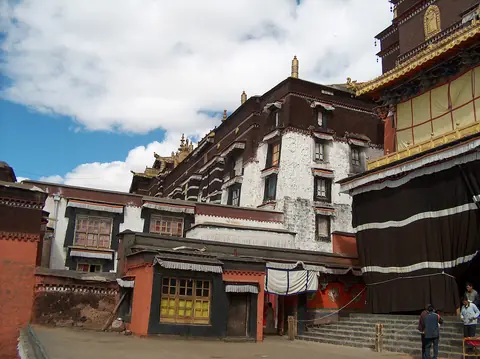
Tashilhunpo Monastery, Shigatse

Rikaze, Tibet

The great monastery of Shigatse, Tibet's second city, founded in 1447 by the first Dalai Lama and the seat of the Panchen Lamas.

Natural features

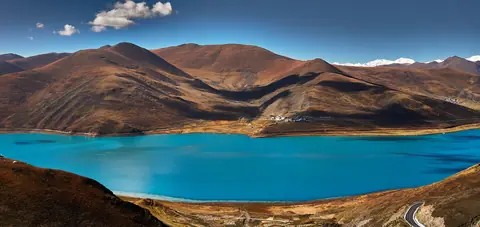
Yamdrok Lake, Tibet

Nagarzê, Tibet

A long, scorpion-shaped lake of startling turquoise, one of Tibet's three great holy lakes, lying at about 4,440 m among bare mountains.

Historic sites

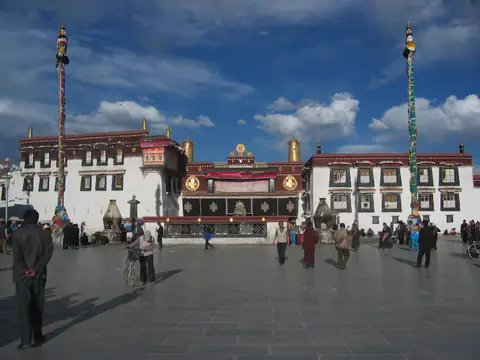
Jokhang Temple, Lhasa

Lhasa, Tibet

The most sacred temple in Tibet, built in the 7th century by King Songtsen Gampo, possibly for his Chinese and Nepali wives.

Historic sites

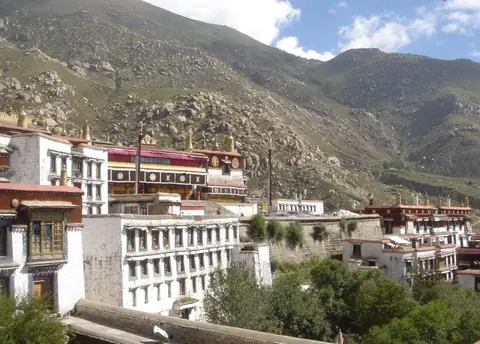
Drepung Monastery, Lhasa

Lhasa, Tibet

Once the largest monastery in the world, with up to 10,000 monks, founded in 1416 on the slopes of a mountain west of Lhasa.

Historic sites

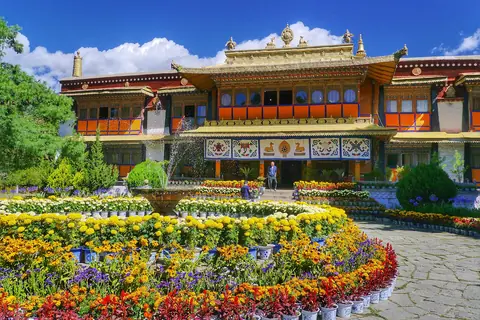
Norbulingka, Lhasa

Lhasa, Tibet

The summer palace of the Dalai Lamas, a large walled park on the western side of Lhasa with palaces, pavilions and gardens, first built in the 1750s.

Attractions

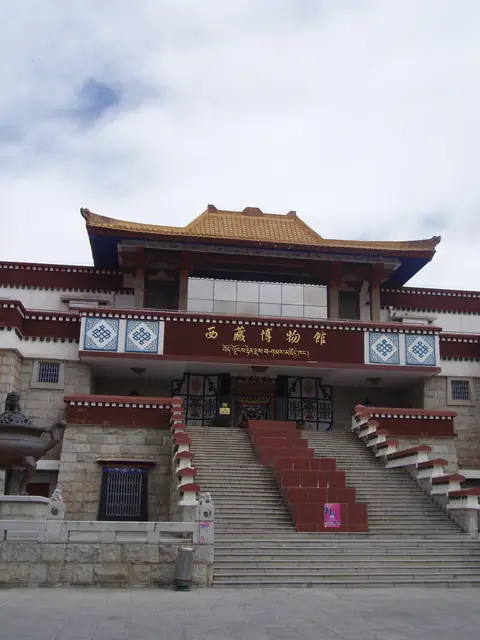
Tibet Museum, Lhasa

Lhasa, Tibet

The main museum of Tibetan history and culture, opposite the Norbulingka in Lhasa, in a building in Tibetan style.