
Hanford Reach National Monument
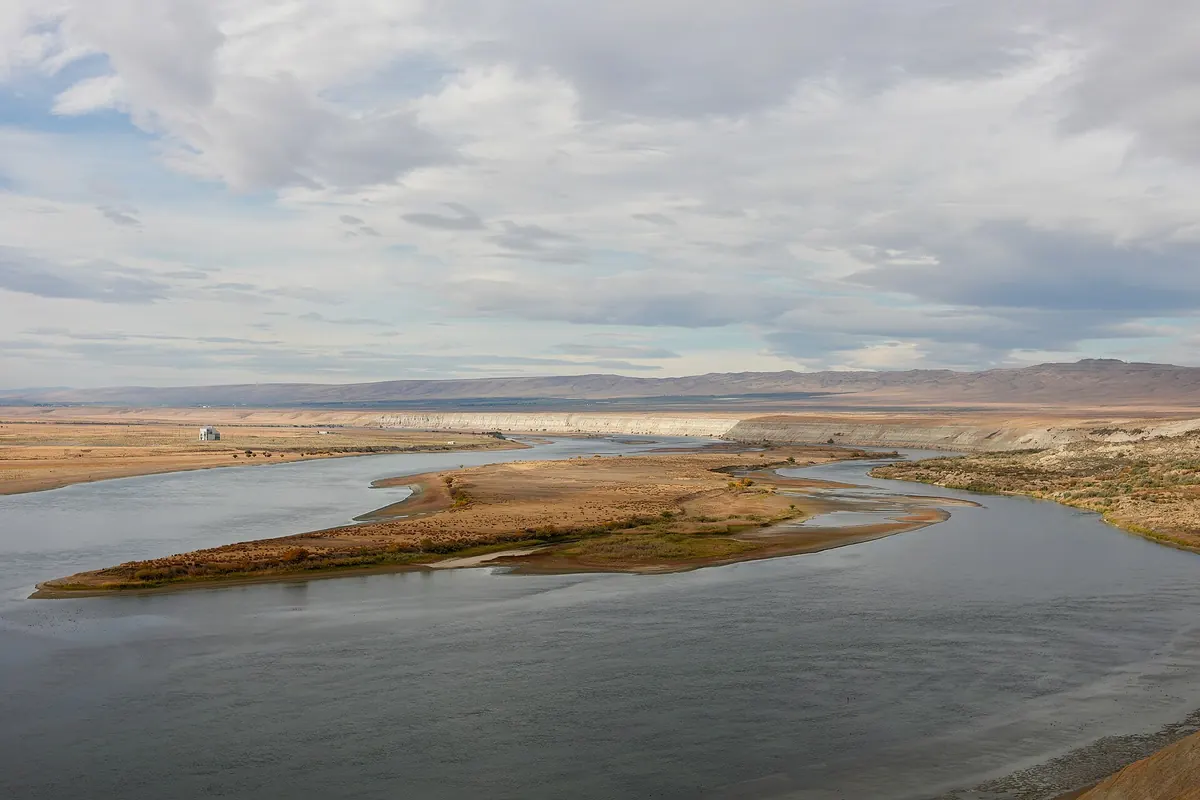
The last free-flowing, non-tidal stretch of the Columbia River in the United States, flowing past white bluffs and shrub-steppe desert in eastern Washington. It survived because it was a buffer zone for the Hanford Site, where plutonium was made for the first atomic bombs.
The best way to see it is from the river, by kayak, canoe or jet boat tour, past the White Bluffs and the old reactors. It has one of the largest runs of wild fall Chinook salmon in the country, and is good for fishing. Trails at the White Bluffs and the Wahluke Slope give views over the river, and Rattlesnake Mountain rises to the west. Elk, coyotes, burrowing owls and many birds live here.
The Hanford Reach Interpretive Center (the REACH) in Richland explains the area. The Manhattan Project National Historical Park runs tours of B Reactor, the world's first full-scale nuclear reactor.


Comments
No comments yet.