Buildings

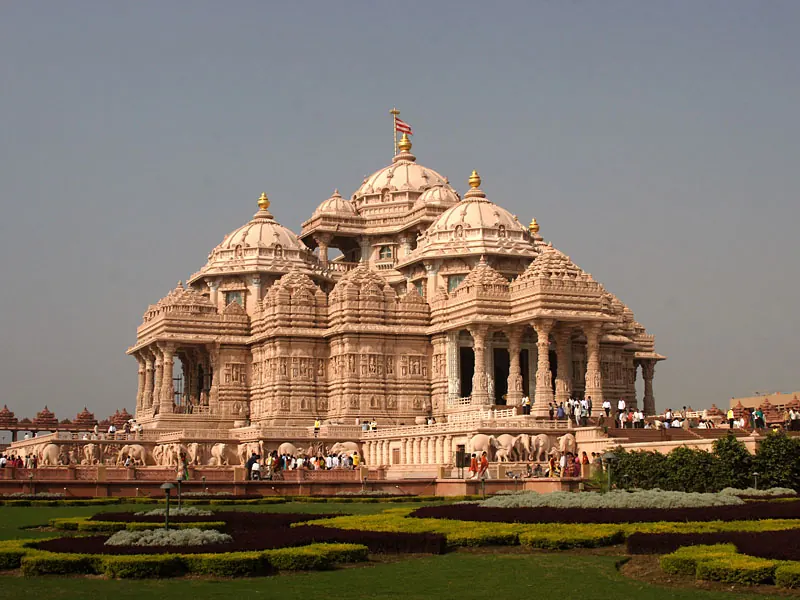
Swaminarayan Akshardham, Delhi
India Delhi New Delhi

Swaminarayan Akshardham, Delhi
Photo: Swaminarayan Sanstha, CC BY-SA 3.0, via Wikimedia Commons

A huge Hindu temple complex opened in 2005 on the banks of the Yamuna, built of pink sandstone and white marble without steel, and covered in intricate carvings of gods, dancers, animals and flowers. The central monument is surrounded by a two-storey colonnade and a base carved with 148 life-size elephants.


Exhibitions use robotics, films and a boat ride to tell the story of Indian culture, and an evening water and light show is held by the step-well. Security is strict: phones, cameras and bags are not allowed inside and must be left in the cloakroom.


Akshardham metro station is right by the entrance. Closed on Mondays.

Comments

No comments yet.

More tips nearby

All tips for India
Historic sites

Humayun's Tomb, Delhi

Delhi

The tomb of the Mughal emperor Humayun, built in the 1560s, the first garden tomb in India and an inspiration for the Taj Mahal, a UNESCO World Herit…

Historic sites

India Gate and Kartavya Path

New Delhi, Delhi

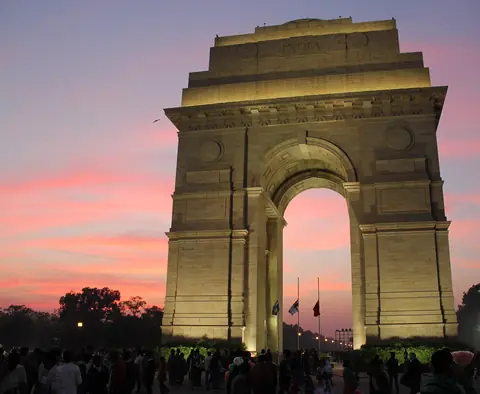
A great stone arch, 42 m tall, built in 1931 as a memorial to the soldiers of the Indian Army who died in the First World War; their names are carved…

Attractions

National Museum, New Delhi

New Delhi, Delhi

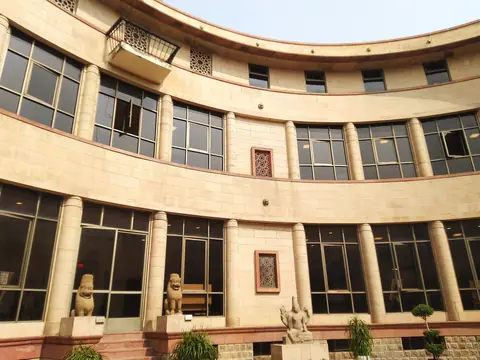
India's largest museum, with treasures from over 5,000 years of history, from the Harappan civilisation of the Indus Valley, including the famous bro…

Food and drink

Masala chai

Delhi

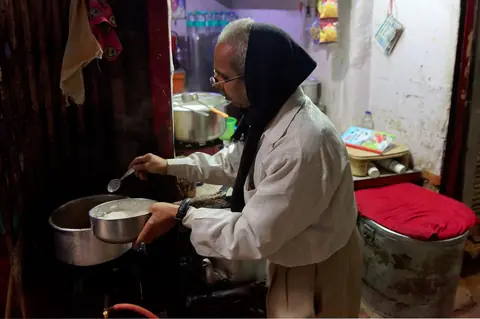
Chai, tea boiled with milk, sugar and spices such as ginger, cardamom and cloves, is India's national drink, sold at roadside stalls, railway station…

Food and drink

Butter chicken and Punjabi food in Delhi

Delhi

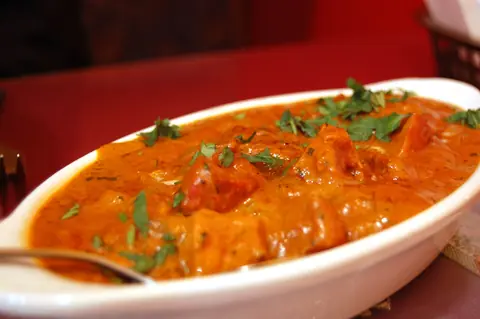
Butter chicken, tender tandoori chicken in a rich, mildly spiced tomato and butter sauce, was created in Delhi after 1947 by Punjabi cooks who had co…

Historic sites

Lodhi Garden, Delhi

New Delhi, Delhi

A large, peaceful park in the heart of New Delhi, laid out in the 1930s around the tombs of the 15th and 16th-century Sayyid and Lodhi rulers.