Historic sites

Jeonju Hanok Village
South Korea North Jeolla Jeonju

Jeonju Hanok Village
Photo: lumoplank, CC0, via Wikimedia Commons

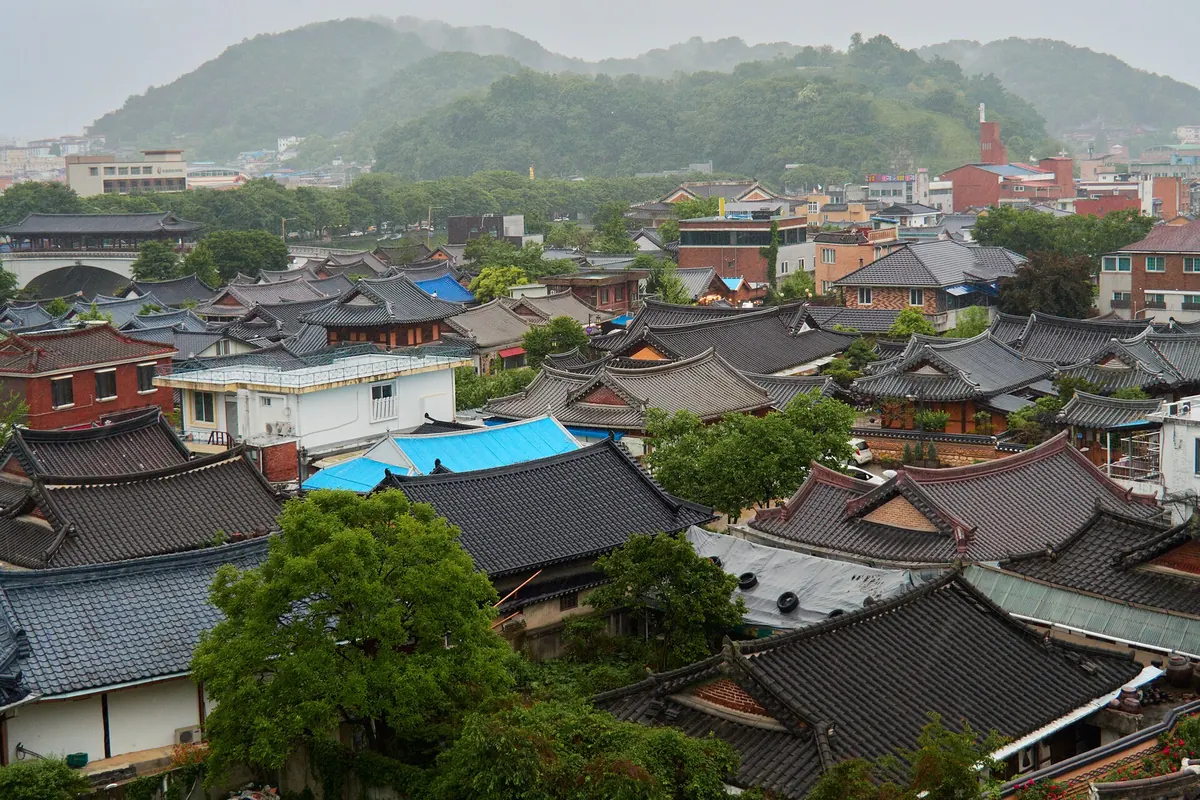
More than 700 traditional tiled-roof houses, called hanok, crowded together in the centre of Jeonju, the largest hanok neighbourhood in Korea. Many are now guesthouses, cafés, tea houses and craft shops, and staying a night in a hanok, sleeping on a heated floor, is a highlight.


Gyeonggijeon, a shrine built in 1410, holds the portrait of Taejo, founder of the Joseon dynasty. Opposite is Jeondong Cathedral, a red brick church from 1914. For a view over the rooftops, climb to Omokdae pavilion. Many visitors hire hanbok to wear around the village.


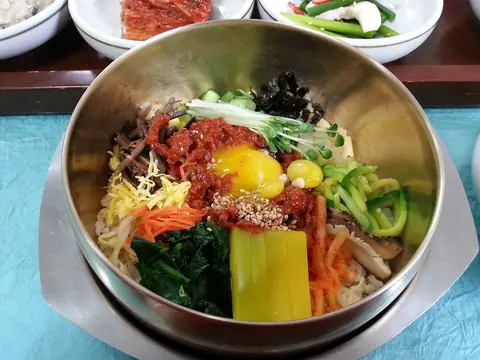
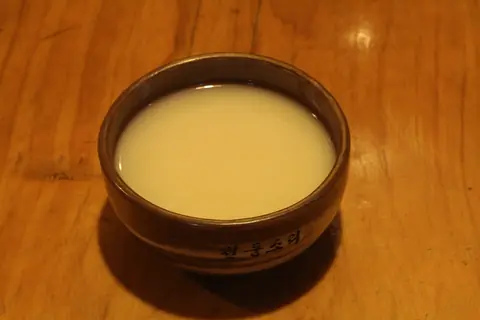
Jeonju is the home of bibimbap, and of makgeolli and street food. It is about one and a half hours from Seoul by KTX.
Comments

No comments yet.

Food and drink

Bibimbap in Jeonju

Jeonju, North Jeolla

Bibimbap, rice topped with seasoned vegetables, meat, egg and spicy red pepper paste, all mixed together just before eating, is eaten all over Korea,…

Food and drink

Makgeolli

Jeonju, North Jeolla

Korea's oldest alcoholic drink is a milky, slightly fizzy rice wine, sweet and tangy, at about 6 to 8% alcohol.

Natural features

Deogyusan National Park

Muju-gun, North Jeolla

A high, forested range in the south of Korea, with one of the country's best ski resorts and an easy way to the top: a gondola from the Muju resort c…

Natural features

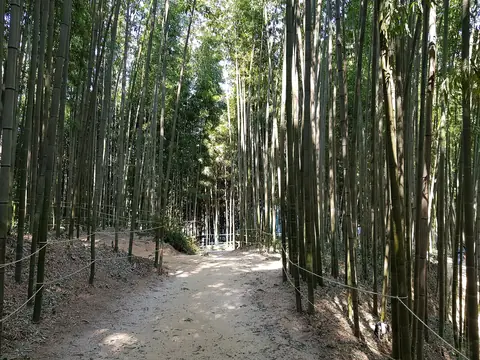
Juknokwon bamboo forest, Damyang

Damyang-gun, South Jeolla

A hillside forest of tall, swaying bamboo in Damyang, Korea's bamboo town, with about 2 km of paths winding through the green stems.