
Culture and manners in Switzerland: quiet hours, Sundays, recycling, greetings, languages and the law on covering your face
The Swiss are polite, reserved and fond of rules, because the rules work. Follow them and people warm up fast. The country has four languages and 26 cantons, each with its own habits, and much is decided by vote.
Languages
- German (about 62%), French in the west (23%), Italian in Ticino and southern Graubünden (8%), and Romansh in parts of Graubünden (under 1%).
- People in the German part speak Swiss German, which Germans can't follow, but write and understand standard German. Don't call it "bad German", and don't use German in Geneva.
- English is widely spoken in cities and resorts. Start with a word of theirs: Grüezi (Zurich and the east), Grüessech (Bern), bonjour, buongiorno, allegra (Engadin). Thanks is merci in Swiss German too.
Meeting people
- Shake hands and say your name. Friends kiss three times on the cheek.
- Say hello when you enter a small shop, a lift or a waiting room, and to everyone you pass on a mountain path.
- Before you drink, look each person in the eye, say Prost or santé and their name, and touch glasses. Nobody sips before that.
- Be on time. Five minutes late needs a message. If you're invited home, bring flowers, wine or chocolates.
- Money and salaries aren't talked about. Ask before you photograph people.
Quiet
- Night quiet is from 10 pm to 6 or 7 am, and many places have a quiet time from noon to 1 pm as well. Rules are local, and neighbours do call the police.
- In flats, no loud music, hoovering or drilling then. Some house rules say no showers or laundry late at night. Read the sheet on the wall.
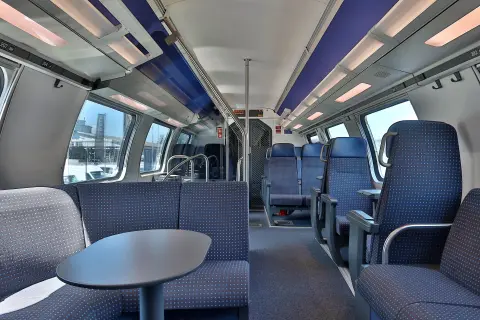
- On trains speak softly, use headphones, and keep feet off seats.
Sundays and holidays
Sunday is a day of rest: shops shut, no mowing, no washing the car, no bottle banks. Shops at stations, airports and in tourist resorts open. Public holidays differ by canton. The National Day, 1 August, has bonfires, lanterns and fireworks, though in a dry summer they may be banned.
Rubbish and recycling
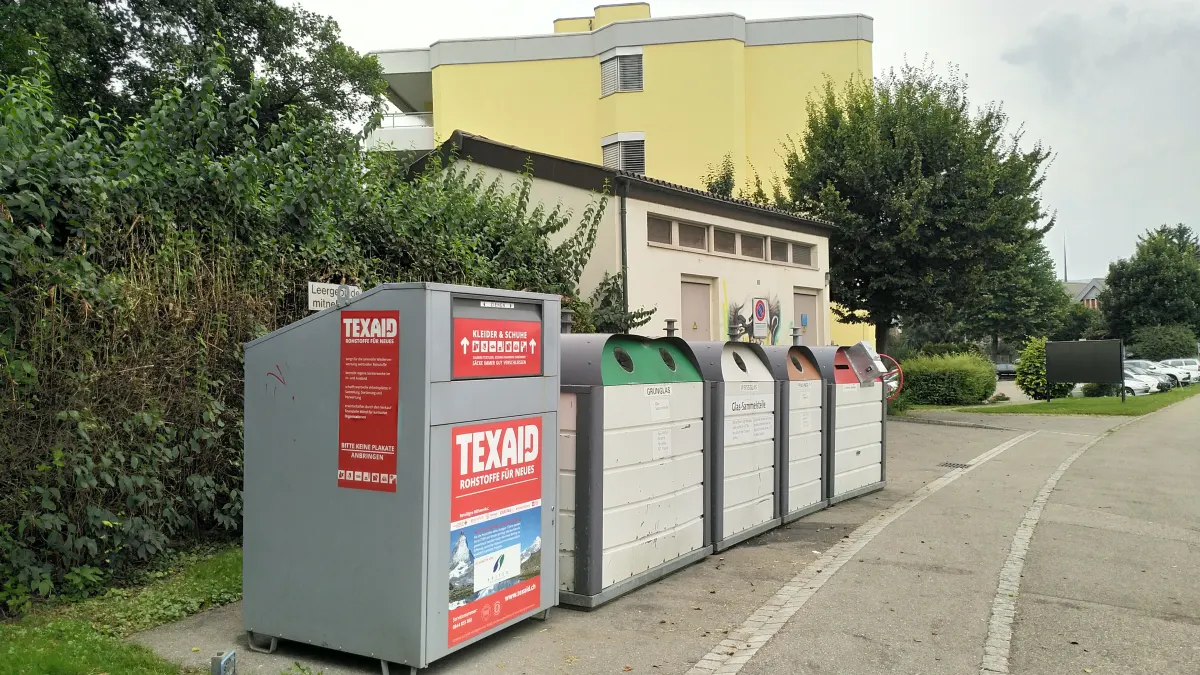
- In most places household rubbish must go in official paid bags (or with a paid sticker), which cost about CHF 2 for 35 litres. In a holiday flat the host should leave some. Wrong bags are opened to find out whose they are, and fined.
- PET bottles, cans and batteries go in bins at any supermarket or station. Glass is sorted by colour at bottle banks, on weekdays in daytime only. Paper and cardboard are tied in separate bundles.
- Stations have four-way bins. Dropping litter or a cigarette end is fined in many cantons.
- Pick up after your dog: the green boxes have bags.
Outdoors
- Keep to paths: a meadow is next winter's hay. Close gates. Don't pick alpine flowers.
- Drones are restricted near airports, over nature reserves and crowds: check the federal map.
- Wild camping is banned in reserves and most valleys. A single night above the tree line is usually tolerated. Ask.
- In saunas people are naked, often mixed. A swimsuit is out of place. Take a towel.
Laws that surprise people
- Since 1 January 2025 it's forbidden to cover your face in public places anywhere in Switzerland: CHF 100 on the spot, and up to CHF 1,000. Exceptions include health, cold weather, religious buildings and carnival.
- Cannabis with THC is illegal outside city trials: holding up to 10 g isn't normally punished, but smoking it is, and carrying it over a border is worse.
- Smoking is banned in restaurants and public buildings, and on all station platforms except in marked areas.
- Crossing on a red man is fined.
Things worth seeing
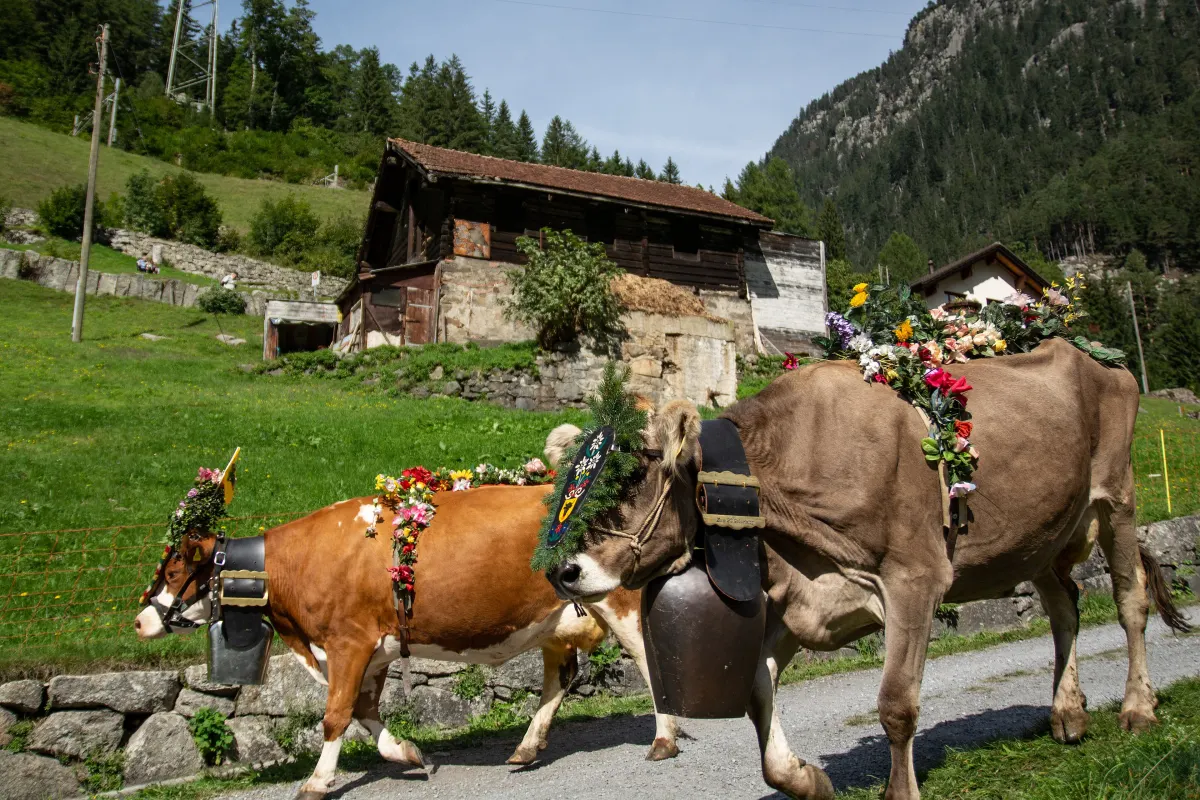
Cows decked with flowers coming down from the alps (late September), Schwingen (wrestling), alphorns and flag-throwing at village festivals, the dark masked carnivals (Fasnacht), and, in Appenzell and Glarus, the open-air vote by show of hands, the Landsgemeinde, in spring.

Bern Old Town
Switzerland's capital has a remarkably preserved medieval old town on a loop of the River Aare, a UNESCO World Heritage Site, with 6 km of covered ar…
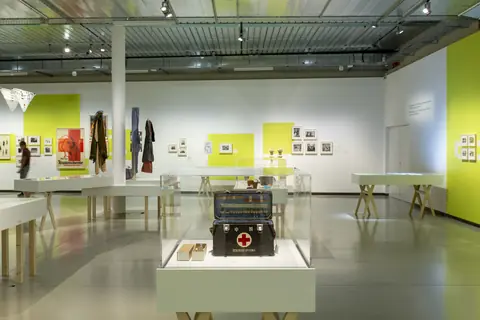
International Red Cross and Red Crescent Museum, Geneva
A moving museum about humanitarian action, including millions of index cards of First World War prisoners.
Comments