
Health in Sweden: 1177, what treatment costs, EHIC and GHIC, pharmacies, ticks and TBE, and medicines
Care is very good, staff speak English, and you won't be turned away in an emergency. It isn't free for everybody, and you may wait. There's one health risk worth a thought beforehand: ticks.
Where to go
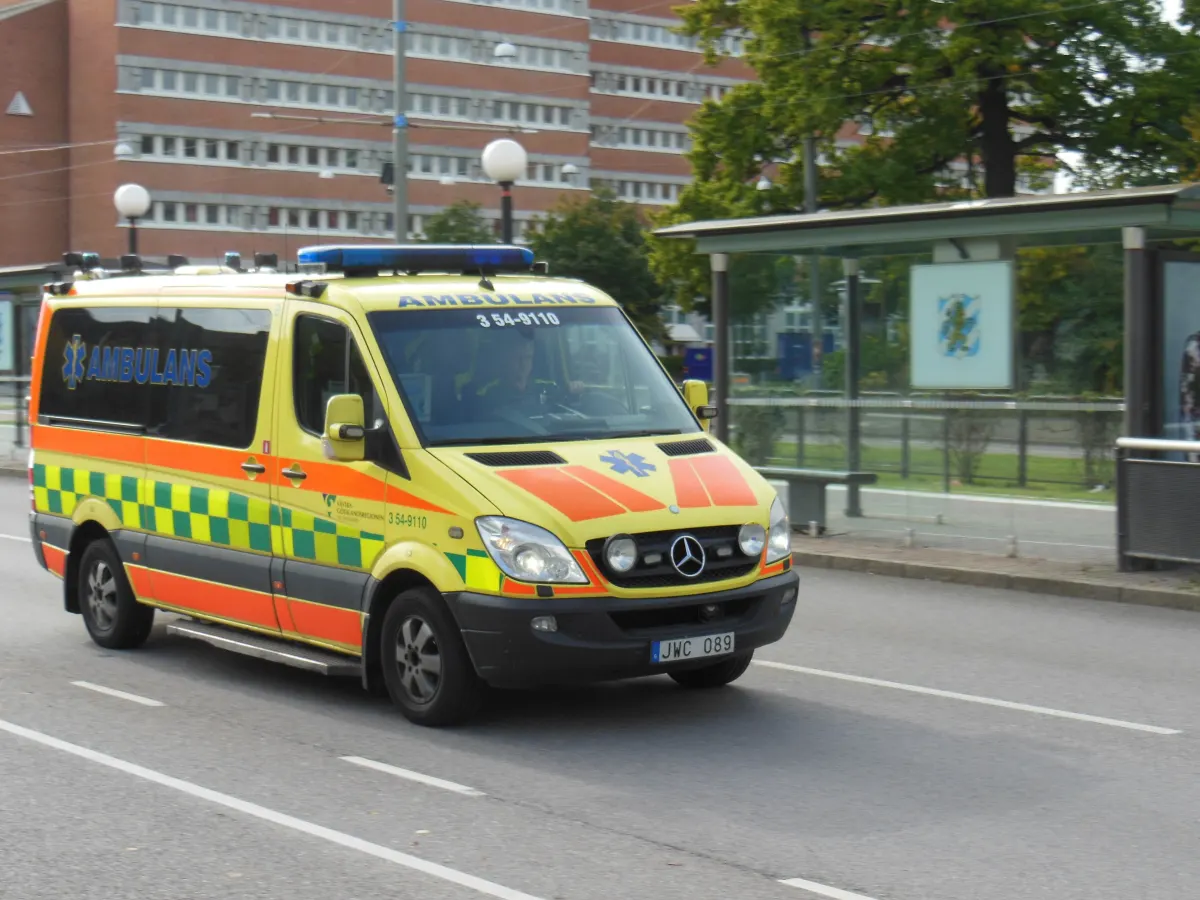
- 112 for an ambulance.
- 1177 for advice by phone, day and night. From a foreign phone use +46 771 11 77 00. They tell you where to go.
- For ordinary illness, a vårdcentral (health centre), by appointment. In the evening and at weekends a närakut or jouröppen. Hospital emergency (akutmottagning) is for serious things, and you'll wait for hours with anything else.
- For teeth, akuttandvård. Dental care is dear for everybody.
What it costs
- People insured in an EU country, Switzerland, Norway, Iceland or Liechtenstein pay the same as Swedes with a European Health Insurance Card (EHIC): a fee of a few hundred kronor a visit, set by each region. UK visitors use a GHIC in the same way.
- Australians have an agreement with Sweden for emergencies.
- Everybody else pays the whole cost, which for a night in hospital is tens of thousands of kronor. Have insurance.
- Bring a passport. Digital identity isn't accepted.
- None of these cards pays to bring you home, or always for mountain rescue. Everybody should be insured.
Pharmacies
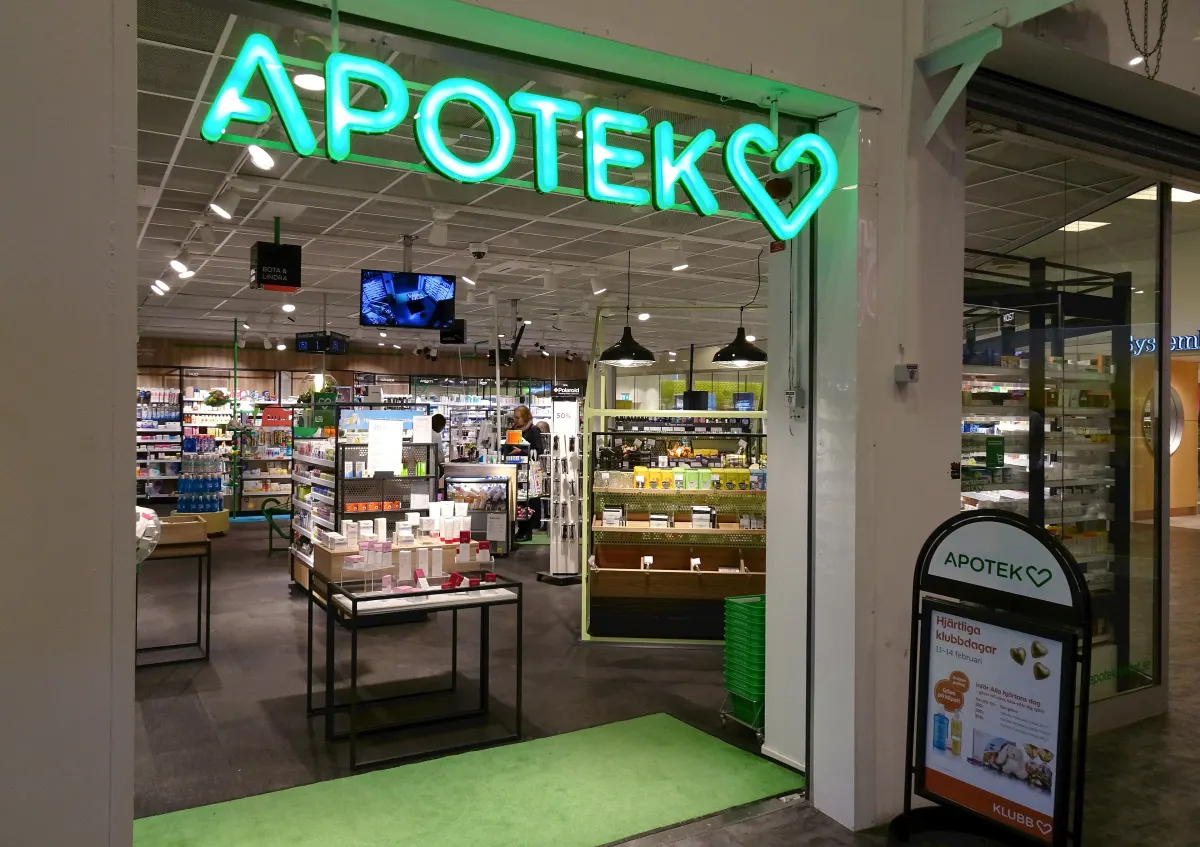
- Look for Apotek: Apoteket, Apotek Hjärtat, Kronans, Doz. Paracetamol (Alvedon) and a few other things are in supermarkets and petrol stations too, for over 18s.
- Most antibiotics and strong painkillers need a Swedish or EU prescription. In the north, the next pharmacy can be 100 km away.
Your medicines
Keep them in the packet, with the prescription, the pharmacy label with your name, or a doctor's letter. Some painkillers, sleeping pills and ADHD drugs count as narcotics, with limits on how much you can bring. Check with the Swedish Medical Products Agency, or your embassy, before you travel.
Ticks: TBE and Lyme disease
- TBE (tick-borne encephalitis) is a virus that attacks the brain. There's no cure, but there is a vaccine. 2026 was a record year: about 450 cases had been reported by mid-September.
- It's found from Skåne to southern Dalarna, and further north along the Baltic coast. The risk is highest round Stockholm, its archipelago, Uppsala, Lake Mälaren, Östergötland and parts of the west. In May 2026 the Public Health Agency advised vaccination for adults, and children from 3, who may be bitten in its highest-risk area.
- If you'll walk or camp in the south between April and November, ask a clinic at home at least two months before. It takes two or three doses.
- Lyme disease has no vaccine, but antibiotics cure it. Look for a red ring that grows, days to weeks after.
- Wear long trousers in long grass, and check your whole body each night. Pull a tick straight out with tweezers, as soon as you find it.
Mosquitoes
They're a misery in the north from late June to mid-August, but they carry almost nothing. Take repellent and a head net.
Cold, dark and light
- Pavements are ice from December to March. Buy slip-on studs (broddar) in any sports shop. Falls are the commonest accident of all.
- In summer, bring an eye mask. Bedrooms rarely have real blackout curtains.
Water and food
Tap water is excellent. So are mountain streams, above any huts or herds. Food is safe. Don't eat mushrooms that you can't name.
Vaccinations
None is required. Be up to date with the usual ones, measles among them.
Comments