
Laws and rules in North Korea: photos, phones, books, speaking to people, and respect for the leaders
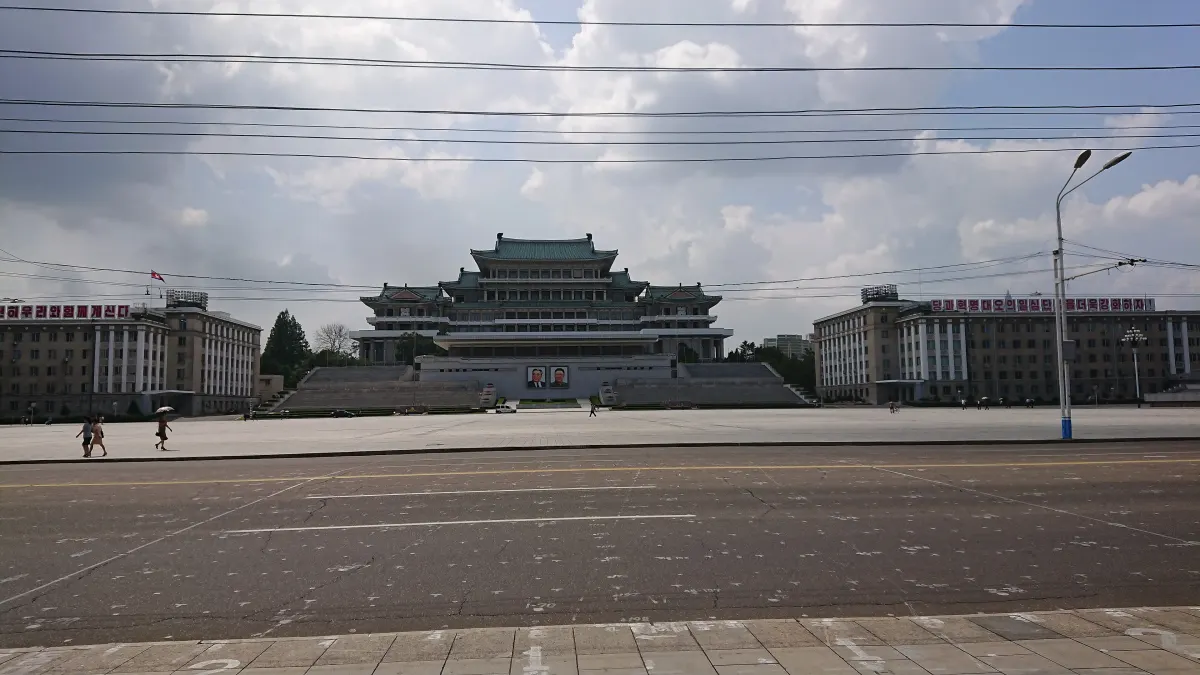
Governments advise against going to North Korea: see Travel warnings for North Korea. The warnings are mostly about its laws, which are vague, strict and applied to visitors. Being on a tour doesn't protect you. This is what the British, Australian, Canadian, French and German governments say, as of November 2026.
The leaders and the state
- It's a crime to insult or joke about the leaders, past or present, their families, or the political system. That includes what you say to other foreigners, as your room, calls and messages may be watched.
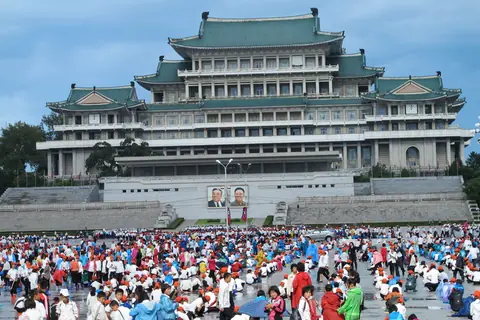
- Treat pictures of the leaders with care: the UK says that you can be arrested for showing too little respect. Don't throw away, fold or sit on a newspaper or badge with their pictures, and don't touch or take down any poster or banner.
- Visitors are expected to show respect at statues and monuments, usually by bowing. If you aren't willing to, don't go.
Religion and politics
- Any religious or political activity that the state hasn't approved can lead to arrest. Don't bring, hand out or leave behind religious material, including a Bible.
- Don't promote a religion or belief, even in conversation.
Talking to people
- You aren't allowed to talk to North Koreans without permission, says Australia, and it can be treated as spying. Germany warns that you can put the other person in danger too. Ask your guide first.
- Don't leave your hotel or group on your own. Canada says that foreigners may not use public transport, and the UK that they need a guide with them to do so. Don't walk into areas that are off limits.
- Buy only in shops for foreigners, and change money only where you're told to. Doing otherwise can mean a fine or arrest.
Photos
- Ask your guide before every photo. Australia says that only designated tourist sites may be photographed.
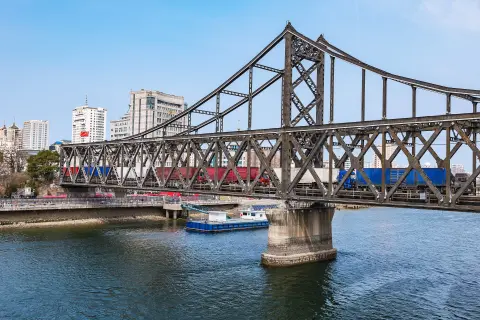
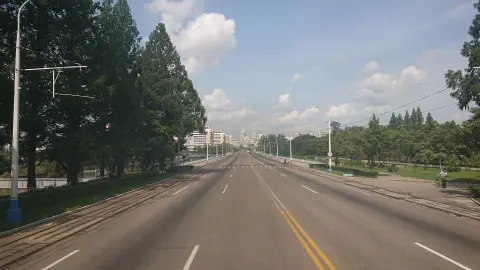
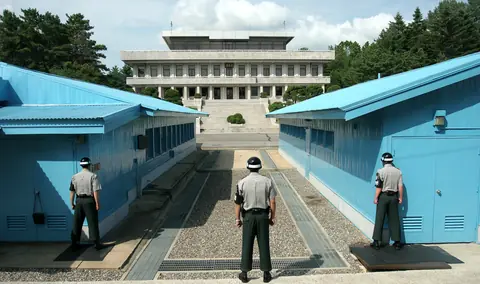
- Never photograph soldiers, checkpoints, military sites, airports, roads, bridges, stations, ports or building sites, or anything that could make the country look poor.
- Photos taken elsewhere can cost you your camera or your freedom. Expect your pictures to be checked when you leave.
What you can't bring in
- Anything South Korean or critical of North Korea, in print or on a device, and anything in Korean that could be taken that way. France says not to bring any documents in Korean at all. Guidebooks have been taken away at the airport.
- Religious, political or pornographic material, satellite phones, short-wave radios and drones or other unusual equipment.
- GPS devices have to be left with customs. Binoculars have been confiscated.
- Laptops, phones and cameras are searched, files are deleted, and Germany says that some disks have been wiped. Declare every device and publication on arrival, and take as little as you can.
- Phones: the UK says that you can bring one but must register it at the border. France says that phones are held until you leave. Foreign SIM cards don't work. Using a VPN is forbidden.
- Illegal drugs: long prison sentences.
If you're stopped
- Checkpoints are common on roads out of towns. Carry identification, stay calm and do what you're told.
- If you're arrested, you may get no phone call, no lawyer, no interpreter and no visit from a diplomat. Germany says that courts almost always do what the prosecutor asks.
LGBT+ travellers
No law names same-sex relationships, says the UK, but the authorities don't accept them. Don't show affection in public.
Comments
No comments yet.