
Health, heat and staying safe in Macau: hospitals, mosquitoes, tap water and summer sun
Macau has good hospitals and no special health risks for most visitors. The main problems are the heat and humidity of summer, mosquitoes, and the cost of care without insurance.
If you need a doctor
- The government hospital, Centro Hospitalar Conde de São Januário (phone +853 2831 3731), on the peninsula, has a 24-hour emergency department. The private Kiang Wu Hospital (+853 2837 1333) does too.
- For an ambulance, call 999.
- Staff often speak some English, but ask at your hotel for a doctor who does.
- Foreign prescriptions aren't valid here. Bring your own medicine, in its packaging and with the prescription or a doctor's letter. Macau's drug laws apply to some ordinary painkillers and sedatives too, so check before you pack a lot.
- Buy travel insurance that covers medical care and evacuation: serious cases may be moved to Hong Kong.
Heat and humidity
- From May to September it's hot and very humid, with average highs around 30°C, and the sun feels harder still. Walk early and late, and take the middle of the day indoors.
- Drink water often, wear a hat and loose clothes, and use sunscreen. Stone steps and paving in the old town are hot in the afternoon.
- Children, older people and anyone unwell should be careful. Signs of heat exhaustion are dizziness, headache, nausea and heavy sweating: get into the shade or air conditioning, cool down and drink. Confusion or collapse is an emergency.
- The contrast with air conditioning is sharp, so carry a layer for the resorts, restaurants and buses.
Mosquitoes
- Macau sees dengue and chikungunya, mostly carried in by travellers, with some local cases. In 2025 the Health Bureau recorded one local dengue case and eight local chikungunya cases.
- Mosquitoes bite by day. Use repellent, cover up in parks and old districts, and see a doctor if you get a fever or rash during your trip or within about two weeks of it.
- Check travel health advice for your own country's vaccine recommendations.
Water and food
- Tap water is treated and meets the standards set by the authorities. Many people still boil it, and hotels give bottled or filtered water.
- Food hygiene is generally good. Wash fruit, and be careful with shellfish and with reheated street food.
Air and sea
- Air quality can be poor on still days, often in winter. Check the index if you have asthma: the meteorological bureau publishes it.
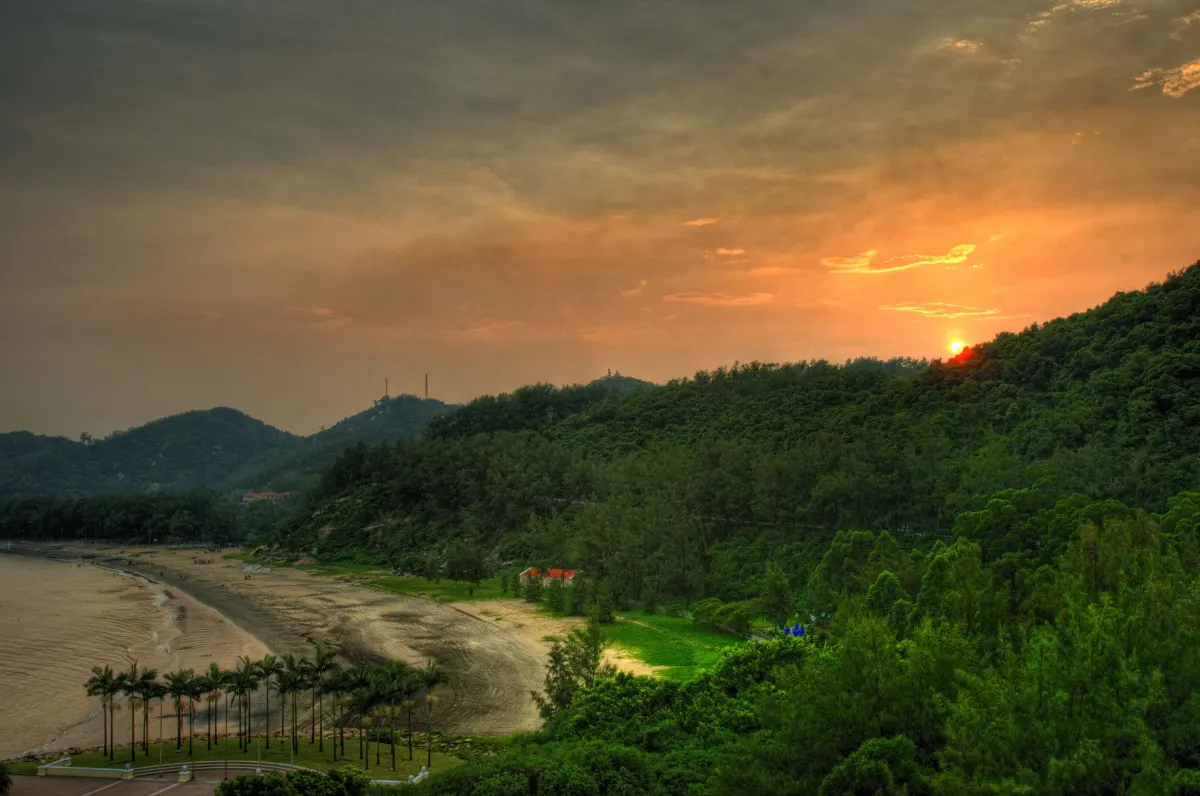
- The beaches at Hac Sa and Cheoc Van have lifeguards in the season. Obey red flags, and don't swim after heavy rain or in a typhoon.
- Casinos, hotels and malls are dry, air-conditioned and well signed. The streets around them at night are safe by most standards, but watch your bag.



Comments
No comments yet.