
Historic sites

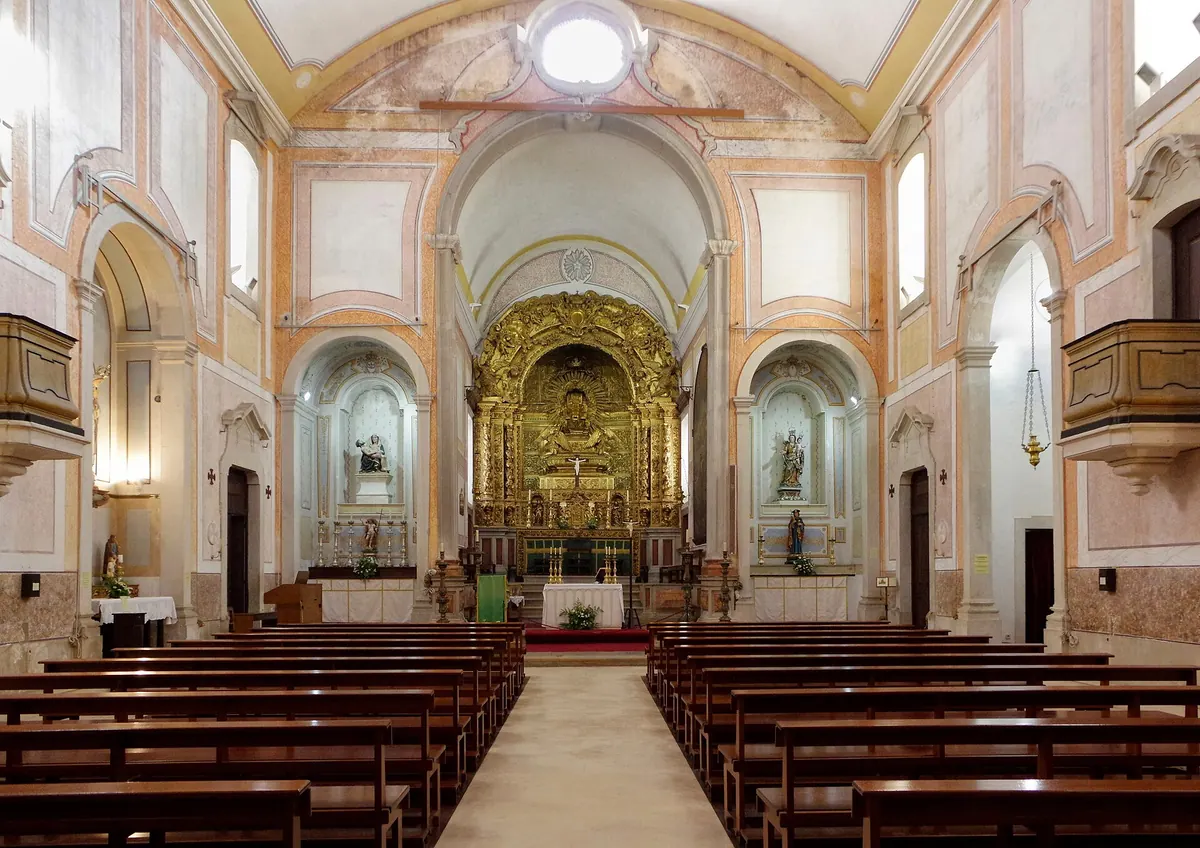
Óbidos town walls

Portugal Leiria Óbidos

Óbidos town walls
Photo: Berthold Werner, CC BY-SA 4.0, via Wikimedia Commons

Óbidos is a perfectly preserved medieval village, entirely enclosed by its walls, with whitewashed houses trimmed in blue and yellow, bougainvillea and cobbled lanes. Enter through the Porta da Vila, a gateway lined with 18th-century blue-and-white azulejo tiles, and walk up the main street, the Rua Direita, full of shops selling ginjinha, the local cherry liqueur, often served in a chocolate cup.


You can walk right around the top of the walls (about 1.5 km), with views over the rooftops and countryside, but there are no railings and the drops are high, so take care. Óbidos holds a chocolate festival in spring, a medieval market in summer and a Christmas village in winter.

Photos
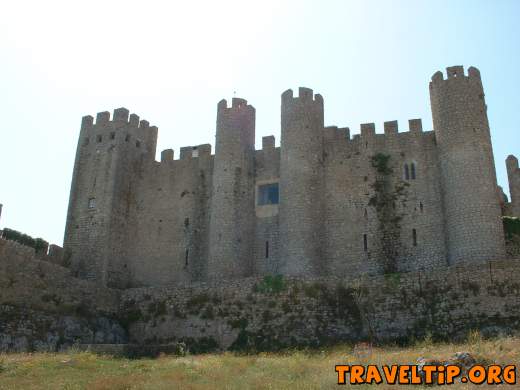
Óbidos town walls

Comments

No comments yet.

More tips nearby

All tips for Portugal
Historic sites

Óbidos Castle (Pousada)

Óbidos, Leiria

The castle at the top of the walled village of Óbidos, which kings of Portugal traditionally gave to their queens as a wedding gift.

Natural features

Praia do Norte big waves, Nazaré

Nazaré, Leiria

Nazaré's North Beach is famous for the biggest surfable waves in the world, created by an undersea canyon that funnels the Atlantic swell.

Historic sites

O Sítio and the Nazaré funicular

Nazaré, Leiria

Nazaré is an old fishing town where, before the harbour was built, the boats were hauled up on the beach by oxen.

Buildings

Monastery of Batalha

Batalha, Leiria

A magnificent Gothic monastery built to celebrate Portugal's victory over Castile in 1385, with a lacy stone façade, the Founder's Chapel with royal …

Buildings

Pena Palace, Sintra

Sintra, Lisbon

A colourful romantic palace in red and yellow, built in the 19th century on a hilltop above Sintra, mixing Gothic, Moorish and Manueline styles.

Historic sites

Alfama and Tram 28, Lisbon

Lisbon

Lisbon's oldest district, a maze of steep, winding streets and stairways below the São Jorge Castle, which survived the great earthquake of 1755.